February 2025 in “International Journal of Clinical & Experimental Dermatology” Trichotillomania in children is a sign of emotional distress needing tailored treatment and family support.
 85 citations
,
February 1989 in “Journal of The American Academy of Dermatology”
85 citations
,
February 1989 in “Journal of The American Academy of Dermatology” Children with loose anagen hair have easily pluckable hair due to root sheath problems, and it might improve without treatment.
65 citations
,
November 2008 in “Pediatric Dermatology” Phototherapy is effective and well-tolerated for treating childhood psoriasis and pityriasis lichenoides chronica.
 1 citations
,
January 2019 in “Paediatrics and Child Health”
1 citations
,
January 2019 in “Paediatrics and Child Health” The document concludes that understanding hair biology and recognizing hair conditions are crucial for managing and treating hair loss in children.
 1 citations
,
May 2002 in “Therapeutische Umschau”
1 citations
,
May 2002 in “Therapeutische Umschau” Children's hair diseases include compulsive hair-pulling, easily plucked hair, scalp fungal infections, and head lice, each requiring specific diagnosis and treatment.
 September 2016 in “Journal of The American Academy of Dermatology”
 The girl has a genetic hair condition causing thin hair since childhood.
 7 citations
,
December 2008 in “Expert Review of Dermatology”
7 citations
,
December 2008 in “Expert Review of Dermatology” The document concludes that various childhood hair and nail disorders exist, some may improve on their own, and advances in genetics and immunology could enhance treatment and counseling.
26 citations
,
February 1978 in “Journal of Pediatric Surgery” Long-term TPN in children can cause zinc deficiency, leading to health issues.
 21 citations
,
January 2005 in “Pediatric Dermatology”
21 citations
,
January 2005 in “Pediatric Dermatology” An 8-year-old girl with vitiligo developed extra hair growth on her knee after using tacrolimus ointment.
10 citations
,
October 2018 in “JDDG Journal der Deutschen Dermatologischen Gesellschaft” Most skin conditions in Down syndrome are benign and involve dry or thickened skin.
 4 citations
,
January 2023 in “The journal of allergy and clinical immunology/Journal of allergy and clinical immunology/The journal of allergy and clinical immunology”
4 citations
,
January 2023 in “The journal of allergy and clinical immunology/Journal of allergy and clinical immunology/The journal of allergy and clinical immunology” Biologics, especially Dupilumab, are effective and safe for treating severe childhood eczema.
 1 citations
,
October 2014 in “Paediatrics and Child Health”
1 citations
,
October 2014 in “Paediatrics and Child Health” The document concludes that proper diagnosis and management of hair loss in children require a detailed examination and understanding of various hair disorders.
 25 citations
,
January 2005 in “Pediatric Dermatology”
25 citations
,
January 2005 in “Pediatric Dermatology” Methotrexate effectively treated a 2-year-old's generalized pustular psoriasis without side effects.
 31 citations
,
September 2014 in “International Journal of Dermatology”
31 citations
,
September 2014 in “International Journal of Dermatology” Anthralin is effective for psoriasis and alopecia with minimal systemic side effects but can irritate the skin.
 January 1982 in “Journal of The American Academy of Dermatology”
 Experts discussed treatments for skin conditions in children, emphasizing hydration, cautious medication use, and early intervention for infections.
 August 2024 in “Clinical and Medical Engineering Live”
 An integrated approach can help treat childhood alopecia areata.
 39 citations
,
January 2019 in “Journal of the American Academy of Dermatology”
39 citations
,
January 2019 in “Journal of the American Academy of Dermatology” Tofacitinib may help treat severe childhood alopecia areata, but risks require careful consideration.
 March 2012 in “Journal of The American Academy of Dermatology”
 Temporal triangular alopecia usually starts in early childhood and treatment with Minoxidil has limited effectiveness.
2 citations
,
June 1953 in “Journal of the American Medical Association” Leprosy is mainly contracted during infancy or childhood.
 April 2016 in “Journal of The American Academy of Dermatology”
 The study found that Temporal Triangular Alopecia often starts in early childhood, mainly affects the left side of the scalp, and has no effective treatment except surgery.
 56 citations
,
March 2010 in “Journal of Dermatology”
56 citations
,
March 2010 in “Journal of Dermatology” Most cases of Temporal Triangular Alopecia are found in early childhood and may be related to genetic conditions.
3 citations
,
January 2020 in “International journal of trichology” Congenital triangular alopecia is a hair loss condition present from birth or early childhood with no effective treatment needed.
49 citations
,
November 2013 in “JAMA dermatology” Clobetasol propionate, 0.05%, is more effective and safe for treating childhood alopecia areata than hydrocortisone, 1%.
 April 2016 in “Journal of The American Academy of Dermatology”
 The study found that Temporal Triangular Alopecia often starts in early childhood, while Folliculitis Decalvans is characterized by tufted hairs and redness around hair follicles.
 9 citations
,
September 2019 in “Clinical, Cosmetic and Investigational Dermatology”
9 citations
,
September 2019 in “Clinical, Cosmetic and Investigational Dermatology” Using a patient's own fat tissue helped treat hair loss caused by an injury.
8 citations
,
June 2012 in “Journal of Crohn s and Colitis” Managing multiple autoimmune diseases in one patient is extremely challenging.
 3 citations
,
August 2010 in “Anais brasileiros de dermatologia/Anais Brasileiros de Dermatologia”
3 citations
,
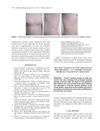
August 2010 in “Anais brasileiros de dermatologia/Anais Brasileiros de Dermatologia” A rare genetic disease caused severe, worsening hair loss from early childhood with poor treatment results.
 17 citations
,
March 2011 in “Pediatric Dermatology”
17 citations
,
March 2011 in “Pediatric Dermatology” Two Sikh brothers developed permanent hair loss from wearing turbans tightly, a condition that became apparent after they moved to Austria.
1 citations
,
January 2016 in “Dermatology Online Journal” Triangular temporal alopecia can occur in adults and should be correctly identified to prevent misdiagnosis.
 May 2014 in “JAMA Dermatology”
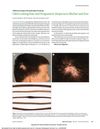
 Mother and son diagnosed with a rare genetic hair loss condition with no effective treatment.