 January 2024 in “Wiadomości Lekarskie”
 pbn-STAC effectively finds strategies for cellular reprogramming using deep reinforcement learning.
12 citations
,
July 2004 in “Molecular genetics and genomics” A new mouse mutation causes skin and hair defects due to a gene change.
 September 2024 in “Advanced Biomedical Research”
 Chick embryo extract helps rat hair follicle stem cells become more like neurons.
 6 citations
,
January 2024 in “ACS Medicinal Chemistry Letters”
6 citations
,
January 2024 in “ACS Medicinal Chemistry Letters” Cepharanthine and berbamine may affect SK channels, influencing their therapeutic effects.
14 citations
,
August 2015 in “Endocrinology” The antibody 005-C04 blocks prolactin receptors, causing reversible infertility, impaired lactation, and hair regrowth in female mice.
 May 2017 in “bioRxiv (Cold Spring Harbor Laboratory)”
 The peach gene pCTG134 helps control the interaction between auxin and ethylene hormones during fruit ripening.
2 citations
,
September 2025 in “JDDG Journal der Deutschen Dermatologischen Gesellschaft” AI can accurately diagnose and assess alopecia areata using scalp images.
October 2024 in “The American Journal of Gastroenterology” Upadacitinib improved both Crohn's ileitis and alopecia universalis in a patient.
 April 2019 in “The journal of investigative dermatology/Journal of investigative dermatology”
 848 genes related to fat and metabolism are less active in people with Central Centrifugal Cicatricial Alopecia.
 23 citations
,
June 2010 in “Journal of Investigative Dermatology”
23 citations
,
June 2010 in “Journal of Investigative Dermatology” A mutation in the Soat1 gene causes hair structure defects and other health issues in AKR/J mice.
3 citations
,
October 2021 in “Turkish Journal Of Neurology” Genetic analysis is crucial for diagnosing and managing cerebral arteriopathy.
June 2025 in “JCEM Case Reports” False high testosterone levels were corrected using a more accurate test.
December 2025 in “Molecular Pain” Targeting the MC-5-HT-HTR2A axis may help treat chronic itching.
February 2026 in “The Journal of Dermatology” Ritlecitinib effectively regrows scalp, eyebrow, and eyelash hair in Asians with alopecia areata and is safe.
 April 2023 in “Cancer research”
 KRTAP2-3 could help predict cancer recurrence by identifying specific cancer cells.
 April 2017 in “Journal of Investigative Dermatology”
 Cholecystokinin may help reduce skin inflammation in psoriasis.
The document concludes that various skin conditions have specific treatments and that adequate calcium intake may prevent osteoporosis.
 69 citations
,
February 2021 in “PLoS Computational Biology”
69 citations
,
February 2021 in “PLoS Computational Biology” Securinine and ajmaline may effectively treat liver cancer, with securinine being less toxic to normal cells.
January 2026 in “Journal of Ethnopharmacology” Cedrol promotes hair growth better than baricitinib by regulating immune cells.
91 citations
,
November 2008 in “Journal of biological chemistry/The Journal of biological chemistry” DGAT1 enzyme is crucial for healthy skin and hair by regulating retinoid levels.
 February 2023 in “Frontiers in Bioengineering and Biotechnology”
 Optical imaging and light therapy show promise for diagnosing and treating liver injury caused by surgery.
 1 citations
,
March 1997 in “Journal of Chromatography B: Biomedical Sciences and Applications”
1 citations
,
March 1997 in “Journal of Chromatography B: Biomedical Sciences and Applications” Researchers developed a method to measure different forms of a drug that could help treat prostate issues and hair loss, and found how these forms behave in animals.
53 citations
,
March 2003 in “Journal of Investigative Dermatology” Human skin cells have a high-affinity system for biotin transport, crucial for skin health.
33 citations
,
August 2000 in “Experimental Cell Research” July 2024 in “Journal of Investigative Dermatology” ITK inhibitors may effectively treat alopecia areata.
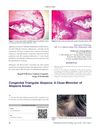 13 citations
,
January 2011 in “International Journal of Trichology”
13 citations
,
January 2011 in “International Journal of Trichology” CTA is often mistaken for AA but doesn't respond to steroids and may require hair transplantation.
April 2022 in “Journal of evolution of medical and dental sciences” Intralesional triamcinolone acetonide is more effective but has a higher relapse rate than platelet-rich plasma for treating alopecia areata.
10 citations
,
May 1974 in “American journal of diseases of children” The girl had a rare disorder causing mental and physical symptoms, with weak hair and unclear neurological issues.
64 citations
,
March 2004 in “Journal of Clinical Investigation” Targeting ornithine decarboxylase can help prevent skin cancer.
15 citations
,
May 2014 in “Journal of Biological Chemistry” A chimeric keratin partially improved skin structure in mice lacking keratin 5, but didn't fully restore normal skin.