 64 citations
,
December 2012 in “Stem Cell Reviews and Reports”
64 citations
,
December 2012 in “Stem Cell Reviews and Reports” Human hair follicle cells can be turned into stem cells similar to embryonic stem cells.
 33 citations
,
May 2006 in “Journal of Investigative Dermatology”
33 citations
,
May 2006 in “Journal of Investigative Dermatology” PTHrP and its receptor can control blood vessel growth and hair development in mouse skin.
 23 citations
,
June 2015 in “Oncology Letters”
23 citations
,
June 2015 in “Oncology Letters” Adipose-derived stem cell-conditioned medium can reduce melanoma cell growth and spread.
 12 citations
,
April 2015 in “InTech eBooks”
12 citations
,
April 2015 in “InTech eBooks” Platelet Rich Plasma (PRP) shows promise for tissue repair and immune response, but more research is needed to fully understand it and optimize its use.
 5 citations
,
March 2023 in “Archives of dermatological research”
5 citations
,
March 2023 in “Archives of dermatological research” Increased HIF-1α is linked to the inflammation and severity of hidradenitis suppurativa, suggesting treatments that lower HIF-1α could help.
 556 citations
,
September 2008 in “Genes & Development”
556 citations
,
September 2008 in “Genes & Development” Wnt signaling is vital for cell growth, development, and cancer research.
 119 citations
,
November 2014 in “Trends in Cell Biology”
119 citations
,
November 2014 in “Trends in Cell Biology” Fibroblast growth factor receptor signaling controls cell development and repair, and its malfunction can cause disorders and cancer, but it also offers potential for targeted therapies.
 March 2026 in “Calcified Tissue International”
 The EDA pathway plays a key role in bone development by interacting with other signaling pathways.

Inhibiting AP-1 changes skin tumor types and affects tumor cell identity.

Inhibiting AP-1 changes skin tumor types and affects tumor cell identity.
 1 citations
,
April 2017 in “Journal of Investigative Dermatology”
1 citations
,
April 2017 in “Journal of Investigative Dermatology” D-OCT shows increased blood vessel growth in response to tissue damage in Frontal Fibrosing Alopecia and is useful for diagnosis and monitoring.
 April 2017 in “Journal of Investigative Dermatology”
 The hair follicle dermal sheath is essential for hair shedding and needs to communicate with the outer root sheath for normal hair growth cycles.
 April 2017 in “Journal of Investigative Dermatology”
 PRC1 influences skin stem cell development by both turning genes on and off, affecting hair growth and skin cell types.
 April 2017 in “Journal of Investigative Dermatology”
 Blocking JAK-STAT5 signaling in mice leads to hair growth.
 773 citations
,
August 2017 in “International Journal of Molecular Sciences”
773 citations
,
August 2017 in “International Journal of Molecular Sciences” The secretions of mesenchymal stem cells could be used for healing without using the cells themselves.
 220 citations
,
March 2020 in “Advanced functional materials”
220 citations
,
March 2020 in “Advanced functional materials” Biomaterials with MSC-derived substances could improve tissue repair and have advantages over direct cell therapy.
 79 citations
,
January 2015 in “Journal of Materials Chemistry B”
79 citations
,
January 2015 in “Journal of Materials Chemistry B” Smart biomaterials that guide tissue repair are key for future medical treatments.
 68 citations
,
December 2011 in “Journal of Investigative Dermatology”
68 citations
,
December 2011 in “Journal of Investigative Dermatology” Sox2-positive dermal papilla cells have unique characteristics and contribute more to skin and hair follicle formation than Sox2-negative cells.
 28 citations
,
January 2012 in “Biological & pharmaceutical bulletin”
28 citations
,
January 2012 in “Biological & pharmaceutical bulletin” Hairless protein can both repress and activate vitamin D receptor functions, affecting gene regulation.
 20 citations
,
June 2020 in “Stem Cell Research & Therapy”
20 citations
,
June 2020 in “Stem Cell Research & Therapy” Using stem cells from fat tissue can significantly improve wound healing in dogs.
 12 citations
,
December 2020 in “Frontiers in Cell and Developmental Biology”
12 citations
,
December 2020 in “Frontiers in Cell and Developmental Biology” The review found that the way Platelet-Rich Plasma is made varies a lot, which can change the results of medical treatments.
 11 citations
,
June 2012 in “Journal of Dermatological Science”
11 citations
,
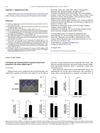
June 2012 in “Journal of Dermatological Science” Scientists identified a group of human skin cells with high growth and regeneration potential.
 9 citations
,
March 2011 in “Current Pharmaceutical Biotechnology”
9 citations
,
March 2011 in “Current Pharmaceutical Biotechnology” Stem cell therapies show promise for treating various diseases but face challenges in clinical use and require better monitoring techniques.
 6 citations
,
January 2013 in “The Journal of Dermatology”
6 citations
,
January 2013 in “The Journal of Dermatology” Researchers found a new genetic mutation causing a rare hair loss condition in the first Japanese child studied.
 2 citations
,
December 2016 in “Experimental cell research”
2 citations
,
December 2016 in “Experimental cell research” The research found a way to identify and study skin cells with stem cell traits, revealing they behave differently in culture and questioning current stemness assessment methods.
 2 citations
,
January 2016 in “Springer eBooks”
2 citations
,
January 2016 in “Springer eBooks” Fat tissue stem cells show promise for repairing different body tissues and are being tested in clinical trials.
 2 citations
,
January 2008 in “Elsevier eBooks”
2 citations
,
January 2008 in “Elsevier eBooks” Humans have limited regenerative abilities, but new evidence shows the adult brain and heart can regenerate, and future treatments may improve this by mimicking stem cell environments.
 1 citations
,
December 2010 in “Elsevier eBooks”
1 citations
,
December 2010 in “Elsevier eBooks” Cell transplantation faces challenges in genitourinary reconstruction, but alternative tissue sources and microencapsulation show promise.
 April 2026 in “Experimental & Molecular Medicine”
 Mouse and human skin development share similar fibroblast timelines.

Wnt7a helps corneal cells grow and stick together, aiding in repair.