March 2003 in “中華皮膚科醫學雜誌” Trichothiodystrophy causes unusual hair and developmental issues.
 16 citations
,
January 2013 in “Internal Medicine”
16 citations
,
January 2013 in “Internal Medicine” Early hair whitening may indicate a higher risk of heart disease in young and middle-aged men.
 20 citations
,
December 2010 in “JEADV. Journal of the European Academy of Dermatology and Venereology/Journal of the European Academy of Dermatology and Venereology”
20 citations
,
December 2010 in “JEADV. Journal of the European Academy of Dermatology and Venereology/Journal of the European Academy of Dermatology and Venereology” Decreased CD200 in hair follicles may cause immune issues in some alopecia areata cases.
 40 citations
,
August 2010 in “Archives of dermatology”
40 citations
,
August 2010 in “Archives of dermatology” A 5-year-old boy's skin condition improved with systemic valganciclovir after a cardiac transplant and immunosuppressive therapy.
 March 2022 in “Folia Medica Indonesiana”
 The lump on a woman's scalp was a rare, potentially cancerous tumor from the hair follicle, not a common cyst.
 September 2017 in “Journal of Investigative Dermatology Symposium Proceedings”
 A 73-year-old woman with Hypopigmented Mycosis Fungoides, a rare skin lymphoma, experienced disease progression despite treatment, emphasizing the need for ongoing monitoring.
 39 citations
,
April 2024 in “Frontiers in Endocrinology”
39 citations
,
April 2024 in “Frontiers in Endocrinology” New treatments aim to improve thin endometrium to help more couples with infertility.
 3 citations
,
July 2015 in “Australasian Journal of Dermatology”
3 citations
,
July 2015 in “Australasian Journal of Dermatology” A man developed an allergic skin reaction to a rosacea treatment and improved after stopping the medication and receiving allergy-specific care.
January 2025 in “Genetics in Medicine Open” Biotinidase deficiency can mimic neuromyelitis optica and should be considered for accurate diagnosis and treatment.
 1 citations
,
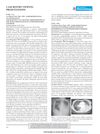
May 2025 in “The Journal of Rheumatology”
1 citations
,
May 2025 in “The Journal of Rheumatology” A fungus ball in the lung can cause coughing up blood in SLE patients.