 3 citations
,
June 2020 in “Developmental Cell”
3 citations
,
June 2020 in “Developmental Cell” Feather patterns are influenced by enhancers and chromatin looping, and the structure of protein complexes important for hair growth has been detailed.
October 2025 in “Biomedicines” Terminalia chebula fruit extract helps hair growth by reducing DHT and boosting hair cell activity.
3 citations
,
January 1995 in “PubMed” Selenium therapy improved health in cystic fibrosis patients with fewer side effects at a lower dose.
 7 citations
,
January 2009 in “Biological & pharmaceutical bulletin”
7 citations
,
January 2009 in “Biological & pharmaceutical bulletin” Ferrous Ferric Chloride may improve skin cell function and increase hair growth in mice.
23 citations
,
August 1975 in “Experimental Biology and Medicine” Copper supplements during pregnancy improve survival and development in mutant mice.
31 citations
,
October 2021 in “Antibiotics” Chlorhexidine digluconate may hinder normal gum healing and promote scar-like tissue.
 March 2024 in “Nihon Keshouhin Gijutsushakaishi/Journal of S C C./Nihon Keshouhin Gijutsushakai kaishi”
 Hair becomes less stiff as we age because of a decrease in zinc, which is linked to lower levels of the protein TG3.
Green tea compound EGCG could potentially treat colorectal cancer by removing iron and causing stress in cancer cells leading to their death.
2 citations
,
February 2025 in “Poultry Science” TBX5 gene influences feathered feet in Guangxi chickens by affecting cell growth and movement.
 86 citations
,
August 2011 in “Toxicological sciences”
86 citations
,
August 2011 in “Toxicological sciences” TCDD speeds up skin barrier formation by increasing certain gene expressions.
October 2023 in “Lithuanian University of Health Sciences” The TG5 gene affects beef cattle weight, and the CC genotype leads to higher weights.
7 citations
,
January 1997 in “Bioscience Biotechnology and Biochemistry” Sheep hair follicle transglutaminases are calcium-dependent.
April 2017 in “The journal of investigative dermatology/Journal of investigative dermatology” A girl with excessive hair growth had a genetic change on chromosome 17 that reduced the activity of two genes linked to hair growth.
 April 2019 in “Journal of Investigative Dermatology”
 BRG1 is essential for skin cells to move and heal wounds properly.
115 citations
,
December 1996 in “PubMed” The safe daily selenium intake is up to 819 micrograms.
 May 2022 in “Journal of Immunology”
 A parasite molecule can speed up skin healing and reduce scarring.
288 citations
,
January 2001 in “Journal of Biological Chemistry” Tgm2 helps stabilize dying cells and aids fibroblast attachment to the extracellular matrix.
October 2019 in “DOAJ (DOAJ: Directory of Open Access Journals)” The nanoparticles effectively deliver herbal extract to enhance hair growth.
60 citations
,
December 1988 in “Journal of Biochemical Toxicology” TCDD reduces EGF receptors in the liver, affecting growth and development.
 May 2017 in “bioRxiv (Cold Spring Harbor Laboratory)”
 The peach gene pCTG134 helps control the interaction between auxin and ethylene hormones during fruit ripening.
March 1995 in “Proceedings of the British Society of Animal Science” Dogs absorb zinc better from amino acid-chelated sources than inorganic ones.
 37 citations
,
September 2003 in “Journal of Medicinal Chemistry”
37 citations
,
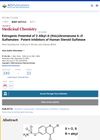
September 2003 in “Journal of Medicinal Chemistry” A substance called Compound 2g can strongly block STS (a hormone-related enzyme) without affecting estrogen levels, making it potentially good for treating breast cancer.
 7 citations
,
June 2011 in “Movement Disorders”
7 citations
,
June 2011 in “Movement Disorders” A specific gene mutation is linked to a hereditary form of dystonia that responds well to certain medications.
 9 citations
,
September 2018 in “Journal of Photochemistry and Photobiology B-biology”
9 citations
,
September 2018 in “Journal of Photochemistry and Photobiology B-biology” A hair-growth formula with cystine and thiamin helps protect skin cells against UV damage and improves their growth.
215 citations
,
November 2000 in “Journal of Investigative Dermatology” The system allows precise control of gene expression in mouse skin, useful for studying skin biology.
 January 2018 in “Stem cell biology and regenerative medicine”
 ATP-dependent chromatin remodeling is crucial for skin development and stem cell function.
118 citations
,
June 1993 in “Journal of Biological Chemistry” Human and mouse TGase3 enzymes are similar but differ near the activation site, crucial for their function in skin and hair development.
Zinc methionylglycinate at 160 ppm improves dog hair and zinc levels best.
4 citations
,
January 2021 in “Current Research in Physiology” μ-Crystallin in mouse muscle increases fat metabolism.
23 citations
,
April 2003 in “Journal of Structural Biology” Keratin structure changes during keratinization, but the exact model remains uncertain.