Search
for
Sort by
Research
270-300 / 1000+ resultsresearch Treatment of hirsutism and acne in women with two combinations of cyproterone acetate and ethinylestradiol.
Cyproterone acetate and ethinylestradiol effectively reduce hirsutism and acne in women.
research Cyclosporine-induced hair repigmentation
Cyclosporine can reverse hair graying.
research Use of cyproterone acetate (CPA) in the treatment of acne, hirsutism and virilism
Cyproterone acetate is effective for acne but less so for hirsutism and alopecia, with some side effects and quick menstrual cycle recovery after treatment.
research Diphenylcyclopropenone: An Important Agent Known to Cause Depigmentation / Reply
research Diagnosis and treatment of Microsporum canis-induced dermatophytosis in a domestic cat
The cat's skin condition improved and hair regrew after antifungal treatment.
research Two Birds that Exclude Each Other: The Renbök Phenomenon
Oral tofacitinib can treat both psoriasis and alopecia universalis by normalizing inflammatory pathways.
research Combination of topical anthralin and calcipotriene in alopecia areata: A discussion of the mechanisms of action
Using anthralin and calcipotriene together might help treat tough cases of alopecia areata, but more research is needed to understand how it works.
research Trichophyton tonsurans‐induced kerion celsi with decreased defensin expression and paradoxically increased interleukin‐17A production
Terbinafine effectively treated kerion celsi despite disrupted immune responses.
research ALOPECIA ANDROGENÉTICA: MINOXIDIL ORAL VERSUS OUTRAS TERAPIAS MEDICAMENTOSAS
Combining two treatments for hair loss works better than using just one.

research Compatibility of 17-a-estradiol, Caffeine, Clobetasol Propionate, Finasteride Melatonin, Metronidazole, Spironolactone, Tretinoin, and Triamcinolone in Trichosol, a Natural Vehicle for Hair Solutions.
TrichoSol™ effectively stabilizes various hair treatment ingredients for different durations.
research Systematic review and quality analysis of studies on the efficacy of topical diphenylcyclopropenone treatment for alopecia areata
Topical DPCP is somewhat effective for hair loss in alopecia areata, but more research is needed.
research Encapsulación en ciclodextrinas de compuestos con actividad frente a la alopecia androgénica masculina.
Encapsulating hair loss drugs in cyclodextrins improves their solubility and reduces scalp irritation.
research Clinical and histological characterization of multifocal, spontaneous, noninfectious alopecia in Norwegian puffin dogs (lundehunds)
Norwegian puffin dogs have a unique type of hair loss that often doesn't get better on its own and responds well to ciclosporin treatment.

research Diphencyprone and topical tacrolimus as two topical immunotherapeutic modalities. Are they effective in the treatment of alopecia areata among Egyptian patients? A study using CD4, CD8 and MHC II as markers
Diphencyprone is effective for treating patchy hair loss in alopecia areata, but tacrolimus is not.
research Comparative Efficacy of Topical Tacrolimus 0.1% and Clobetasol Propionate 0.05% in the Treatment of Alopecia Areata (AA)
Clobetasol propionate 0.05% is more effective for hair re-growth in alopecia areata than tacrolimus 0.1%.
research Finasteride fra luci ed ombre

research Management of Alopecia and Onychomycosis in a Lupus Patient
Mycophenolic acid effectively improved hair and nail growth in a lupus patient.
research Topical calcitriol (BPM31543) for the prevention of chemotherapy-induced alopecia (CIA): Efficacy findings from a phase I safety study.
Topical calcitriol may reduce hair loss from chemotherapy at higher doses.
research Erosive pustular dermatosis and associated alopecia successfully treated with topical tacrolimus
Topical tacrolimus can effectively treat erosive pustular dermatosis and related hair loss.
research Cicatricial Alopecia
Early diagnosis and aggressive treatment are crucial for Cicatricial Alopecia, and treatment effectiveness varies among patients.
research Proliferative and necrotizing otitis externa in four cats
Topical 0.1% tacrolimus significantly improved ear infections in cats.
research A novel regio-specific cyclosporin hydroxylase gene revealed through the genome mining of Pseudonocardia autotrophica
Scientists found a new gene in a bacterium that can modify an immunosuppressant drug, potentially helping to treat hair loss.
research Dermatoscopic of pseudocyst of the scalp
Both azathioprine and betamethasone treatments help with hair regrowth in alopecia areata, but azathioprine may have fewer side effects.
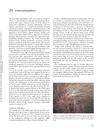
research Lichen planopilaris
Lichen planopilaris is a rare, chronic condition causing hair loss, mainly in middle-aged women, and early treatment is important to prevent permanent baldness.
research Topical and intralesional therapies for alopecia areata
Many treatments for alopecia areata have inconsistent results; for under 10s, use minoxidil with a corticosteroid, and for over 10s, add ILC and consider diphenylcyclopropenone for widespread cases.
research Combination of Systemic and Topical Treatment for Feline Dermatophytosis: A Case Report
The cat with ringworm got better after being treated with oral and topical medications for 35 days.
research Efficacy of Topical Clobetasol Propionate 0.05% Ointment and Topical Tacrolimus 0.1% Ointment in Treatment of Alopecia Areata.: RCT
Topical clobetasol propionate 0.05% ointment is more effective in promoting hair regrowth in patients with alopecia areata than topical tacrolimus 0.1% ointment.
research Resolution of Discoid Lupus Alopecia With Systemic Hydroxychloroquine and Topical Pimecrolimus Combination Therapy
Combining hydroxychloroquine and pimecrolimus can effectively treat hair loss from discoid lupus.
research Urticaria pigmentosa-like skin disease in a domestic shorthair cat
A cat with severe skin issues improved with dexamethasone and cetirizine.