 6 citations
,
February 2013 in “Veterinary Dermatology”
6 citations
,
February 2013 in “Veterinary Dermatology” A young cat had a rare hair condition with twisted hair shafts but stayed healthy.
October 2025 in “Clinical and Experimental Pediatrics” A novel CLDN1 mutation in a 2-month-old with NISCH showed improvement with symptom management.
 26 citations
,
September 1969 in “The American journal of medicine”
26 citations
,
September 1969 in “The American journal of medicine” Cronkhite-Canada Syndrome often leads to death within 6-18 months.
2 citations
,
May 2020 in “Journal of the American Academy of Dermatology” Hair shaft changes may be linked to CCCA, but their role is unclear.
 10 citations
,
November 2018 in “Genetics in medicine”
10 citations
,
November 2018 in “Genetics in medicine” Lack of cystatin M/E causes thin hair and dry skin.
November 2025 in “Journal of Investigative Dermatology” Genetic variants in specific genes cause central centrifugal cicatricial alopecia.
148 citations
,
May 2012 in “The American Journal of Human Genetics” Cantú syndrome is caused by mutations in the ABCC9 gene.
 September 2019 in “The journal of investigative dermatology/Journal of investigative dermatology”
 Not having enough cystatin M/E protein causes less hair growth and dry skin.
December 2019 in “The American Journal of Gastroenterology” Small bowel lesions in Cronkhite-Canada syndrome persist despite steroid treatment.
 6 citations
,
July 2011 in “British Journal of Dermatology”
6 citations
,
July 2011 in “British Journal of Dermatology” A man with KID syndrome developed a rare cancer in a long-term skin infection.
 5 citations
,
June 2014 in “Gastroenterology report”
5 citations
,
June 2014 in “Gastroenterology report” Cronkhite-Canada syndrome can sometimes show unusual colonic adenomatous polyps.
5 citations
,
June 2020 in “Medicine” A patient with a rare disease had a unique genetic mutation linked to their symptoms.
8 citations
,
May 2005 in “The American journal of dermatopathology/American journal of dermatopathology” The hair defect is due to abnormal inner root sheath keratinization.
 December 2022 in “Gastroenterology”
 A man with Cronkhite-Canada syndrome improved significantly with immunosuppressive therapy.
 September 2024 in “Journal of Anatomy and Histopathology”
 Miliacin helps damaged hair follicles grow new hair faster.
February 2025 in “Gastroenterology” Corticosteroids improved symptoms in a man with Cronkhite-Canada Syndrome.
6 citations
,
April 2012 in “PubMed” Enteral supplements can improve symptoms of Cronkhite-Canada syndrome.
 5 citations
,
March 2013 in “International journal of surgical pathology”
5 citations
,
March 2013 in “International journal of surgical pathology” Cronkhite-Canada syndrome can be diagnosed without gastrointestinal polyps if there is severe mucosal atrophy and edema.
1 citations
,
February 2014 in “Italian journal of medicine” An 80-year-old woman with Cronkhite-Canada syndrome had multiple polyps and symptoms like diarrhea, hair loss, nail issues, and dark skin.
 May 2024 in “Biochemical pharmacology”
 Blocking CISD1 reduces hearing loss from cisplatin in mice.
 October 2019 in “Journal of Evolution of Medical and Dental Sciences”
 A 56-year-old man was diagnosed with Cronkhite-Canada Syndrome after showing symptoms like diarrhea, weight loss, and skin changes.
44 citations
,
September 2011 in “Journal of Pediatric Gastroenterology and Nutrition” NISCH syndrome is a rare genetic disorder affecting skin and liver, with variable symptoms and limited treatment options.
4 citations
,
December 2016 in “Blood” A new gene mutation may cause cyclic thrombocytopenia by affecting platelet production.
September 2019 in “Journal of Investigative Dermatology” CCCA in women of African ancestry may be caused by PADI3 gene mutations and intense hair grooming.
 May 2024 in “Animal genetics”
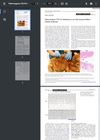
 A cat's poor wound healing was linked to a genetic deletion in the COL5A1 gene.
 97 citations
,
March 2002 in “Molecular and cellular biology”
97 citations
,
March 2002 in “Molecular and cellular biology” Mutant CDP/Cux protein causes hair defects and reduced male fertility in mice.
 January 2025 in “Turkish Journal of Cerebrovascular Diseases”
 CARASIL can cause different symptoms even with the same genetic mutation.
November 2019 in “European journal of internal medicine” A Laotian man with unusual skin changes and multiple growths in his gut was diagnosed with Cronkhite-Canada Syndrome and improved with nutritional and immune-based treatments.
 August 2023 in “Gastroenterology”
 A 78-year-old man with Cronkhite-Canada syndrome improved significantly after treatment and remains symptom-free.
 October 2023 in “The American Journal of Gastroenterology”
 Cronkhite-Canada syndrome is rare, with high mortality and cancer risk, needing more research for treatment guidelines.