 22 citations
,
November 2018 in “Brazilian Journal of Pharmaceutical Sciences”
22 citations
,
November 2018 in “Brazilian Journal of Pharmaceutical Sciences” New physical methods like electrical currents, ultrasound, and microneedles show promise for improving drug delivery through the skin.
 210 citations
,
November 2015 in “The Lancet HIV”
210 citations
,
November 2015 in “The Lancet HIV” PrEP for HIV is less effective in transgender women mainly due to low adherence to the treatment.
 May 2014 in “Transfusion and Apheresis Science”
 PRP is a safe natural treatment that improves skin by reducing wrinkles and enhancing texture for up to 4 months.
 June 2008 in “British Journal of Dermatology”
 Herpes gestationis is linked to certain antigens, atopic eczema affects T cell populations and may be eased by breastfeeding, higher doses of anti-androgen treatment can improve androgenic alopecia, topical minoxidil increases hair thickness, long-term methotrexate therapy can cause liver fibrosis in psoriasis patients, and Lichen Sclerosus et Atrophicus patients aren't at higher risk for autoimmune disorders.
 January 2008 in “Journal of The American Academy of Dermatology”
 Hair loss affects 20% of people, more in men and those over 35, and is often associated with a sensitive scalp.
 January 2008 in “Journal of The American Academy of Dermatology”
 A nonchemical lotion was found effective in killing head lice and their eggs in most people, indicating it could be useful for managing head lice.
 June 2023 in “Current Issues in Molecular Biology”
 DN106212, an extract from a plant, is better at promoting hair growth than other tested substances by affecting hair growth factors and follicle development.
 10 citations
,
September 2021 in “JAMA Dermatology”
10 citations
,
September 2021 in “JAMA Dermatology” Different types of persistent hair loss after chemotherapy respond differently to treatments.
 17 citations
,
October 2015 in “Medicine and Pharmacy Reports”
17 citations
,
October 2015 in “Medicine and Pharmacy Reports” Animal models are crucial for learning about hair loss and finding treatments.
 12 citations
,
February 2013 in “Journal of Cutaneous Pathology”
12 citations
,
February 2013 in “Journal of Cutaneous Pathology” The document concludes that choosing the right biopsy site is crucial for accurate alopecia diagnosis, and combining methods can improve results.
 1 citations
,
December 2012 in “Journal of the European Academy of Dermatology and Venereology”
1 citations
,
December 2012 in “Journal of the European Academy of Dermatology and Venereology” The health of the sentinel lymph node is the best indicator of survival for patients with thick skin cancer.
 March 2023 in “Journal of Applied Biomedicine”
 Oleanolic acid improved hair growth in mice by affecting hair growth pathways and reducing inflammation.
 May 2014 in “Journal of The American Academy of Dermatology”
 The project aimed to understand how genetic test results affect patients' actions and feelings in dermatology.
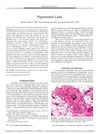 16 citations
,
July 2013 in “The American Journal of Dermatopathology”
16 citations
,
July 2013 in “The American Journal of Dermatopathology” Pigmented casts are common in several hair loss conditions and can help diagnose specific types of alopecia.
 14 citations
,
May 2013 in “Experimental Dermatology”
14 citations
,
May 2013 in “Experimental Dermatology” The modified wash test is better than TrichoScan® for diagnosing hair loss.
 34 citations
,
May 2013 in “Journal of the European Academy of Dermatology and Venereology”
34 citations
,
May 2013 in “Journal of the European Academy of Dermatology and Venereology” Hair growth slows and shedding increases after childbirth, but most women don't experience excessive hair loss.
 127 citations
,
December 2007 in “Journal of Investigative Dermatology”
127 citations
,
December 2007 in “Journal of Investigative Dermatology” Mice hair growth patterns get more complex with age and can change with events like pregnancy or injury.
 September 2007 in “Journal of Investigative Dermatology”
 ANp63 is crucial for skin integrity, new filaggrin gene mutations link to eczema, hair can regrow from non-stem cells, sunburns are increasing, and glucocorticoids help treat skin allergies by affecting immune cells.
 12 citations
,
July 1957 in “Journal of Investigative Dermatology”
12 citations
,
July 1957 in “Journal of Investigative Dermatology” Giving dihydrotachysterol to mother rats caused skin hardening and bone issues in their babies through milk.
 23 citations
,
January 2016 in “Journal of Nanjing Medical University”
23 citations
,
January 2016 in “Journal of Nanjing Medical University” Overweight women with PCOS are more likely to have excess male hormones.
 January 1953 in “The Lancet”
 Cortisone may help hair regrow by altering the local environment, with regrowth starting 3-4 weeks after treatment, but its use is not widely recommended.
 29 citations
,
March 2008 in “Postcolonial Studies”
29 citations
,
March 2008 in “Postcolonial Studies” The article concludes that the global hair trade is exploitative and reflects complex cultural and economic issues.
 July 2023 in “International Journal of Pharmaceutical Sciences and Drug Analysis”
 The study found different absorbance values for simplex and complex homoeopathic hair oils when analyzed with a UV-visible spectrophotometer.
 July 2023 in “Journal of the Mexican chemical society”
 Hibiscus rosa-sinensis leaf extract might help reduce fat absorption and could be used to treat obesity.
 2 citations
,
June 2023 in “Plants”
2 citations
,
June 2023 in “Plants” Sugars from Sargassum and brown algae may have health benefits like fighting viruses and helping with wound healing, but there are challenges in using them.
 May 2023 in “Tạp chí Y Dược học Cần Thơ”
 The shampoo with grapefruit peel and Gleditsia sinensis helps mice grow hair faster, more, and longer.

A mix of Polygonatum sibiricum and Nelumbinis semen may ease menopause symptoms with fewer side effects.
 May 2023 in “Advancements in Homeopathic Research”
 Zauberöl® may help treat hair loss caused by testosterone in rats.
 April 2023 in “Jurnal Farmasi Indonesia”
 Candlenut oil and celery powder improved hair growth and could be a potential treatment for alopecia.
 April 2023 in “Experimental Dermatology”
 Human dermal papilla cells can increase hair thickness and number in pigs with just one injection.