 21 citations
,
October 2013 in “Molecular Biology of the Cell”
21 citations
,
October 2013 in “Molecular Biology of the Cell” The protein CCN2 controls hair growth by affecting hair follicle formation and stem cell activity in mice.
30 citations
,
August 2005 in “British journal of dermatology/British journal of dermatology, Supplement” A specific gene mutation causes hair loss and potential eye issues, even if vision seems normal.
 23 citations
,
December 2013 in “British Journal of Dermatology”
23 citations
,
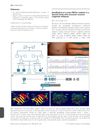
December 2013 in “British Journal of Dermatology” A new gene mutation linked to a skin condition was found in a Spanish family.
25 citations
,
August 2020 in “Experimental eye research/Experimental Eye Research” Different types of cells in the eye express specific keratins at various stages of development.
15 citations
,
May 2014 in “Journal of Biological Chemistry” A chimeric keratin partially improved skin structure in mice lacking keratin 5, but didn't fully restore normal skin.

Plakophilin 1 helps control skin cell immune responses to prevent excessive inflammation.
57 citations
,
July 2000 in “Toxicology Letters” K6/ODC transgenic mice are effective for quickly identifying cancer-causing chemicals.
6 citations
,
March 2017 in “Journal of the European Academy of Dermatology and Venereology” Identical twins with a rare KRT 86 gene mutation both have the hair disorder monilethrix.
IL-18 signaling helps mature Tregs move into the thymus.
138 citations
,
June 2004 in “Journal of Investigative Dermatology” Involucrin gene expression is controlled by specific proteins and signaling pathways.
 76 citations
,
June 2018 in “EMBO Reports”
76 citations
,
June 2018 in “EMBO Reports” YAP and TAZ proteins are necessary for the development of two types of skin cancer.
8 citations
,
March 2011 in “Endocrine” A new gene mutation causes vitamin D-resistant rickets and hair loss in two siblings.
September 2022 in “Indian Journal of Paediatric Dermatology” Clouston syndrome is inherited in an autosomal dominant pattern and caused by a specific gene mutation, with no current treatment available.

Understanding genetics is crucial for treating heart and skin diseases.
 December 2020 in “bioRxiv (Cold Spring Harbor Laboratory)”
 Stress can cause a type of hair loss in mice lacking the CCHCR1 gene.
 May 2018 in “Journal of Investigative Dermatology”
 Activating Wnt in skin cells controls the number of hair follicles by directing cell movement and fate.
 July 2022 in “The journal of investigative dermatology/Journal of investigative dermatology”
 Krox20 is important for maintaining stem cells in the skin and affects hair growth and color.
7 citations
,
March 1993 in “International Journal of Oncology” Basal cell carcinoma shows keratin patterns similar to hair follicle structures.
January 2004 in “Kölner Universitäts PublikationsServer (Universität zu Köln)” Collagen XVII and CD151 affect cell movement, with CD151 inhibiting migration when bound to integrins.
16 citations
,
July 2008 in “BMC Genomics” Alpha 6 + /MHCI - cells have stem cell traits and are similar to mouse hair follicle stem cells.
5 citations
,
February 2005 in “Journal of the American Academy of Dermatology” Focal palmoplantar callosities may help diagnose non-Herlitz junctional epidermolysis bullosa.
12 citations
,
March 2012 in “JEADV. Journal of the European Academy of Dermatology and Venereology/Journal of the European Academy of Dermatology and Venereology” A specific gene mutation in Japanese people can cause varying degrees of hair thinning in adulthood.
 32 citations
,
February 2008 in “Developmental dynamics”
32 citations
,
February 2008 in “Developmental dynamics” Mice without the Sp6 gene have problems developing several body parts, including hair, teeth, limbs, and lungs.
 7 citations
,
January 2019 in “Australasian Journal of Dermatology”
7 citations
,
January 2019 in “Australasian Journal of Dermatology” A genetic marker linked to a type of hair loss was found in most patients studied.
24 citations
,
June 2015 in “Journal of Investigative Dermatology” aPKCλ is crucial for keeping hair follicle stem cells inactive and maintaining normal hair growth.
December 2025 in “The Journal of Cell Biology” Keratin 15 helps maintain skin cell growth and repair.
2 citations
,
January 2020 in “Skin Appendage Disorders” Ustekinumab treatment may reveal a genetic tendency for steatocystoma multiplex in psoriasis patients.
46 citations
,
June 2013 in “Journal of structural biology” High glycine–tyrosine keratin-associated proteins help make hair strong and maintain its shape.
April 2023 in “The journal of investigative dermatology/Journal of investigative dermatology” MEF2C is crucial for normal hair cycle progression.
38 citations
,
December 2006 in “Journal of Investigative Dermatology” Keratin patterns in hair follicles help understand hair growth and potential hair and nail disorders.