4 citations
,
January 2016 in “Annals of dermatology/Annals of Dermatology” Iron supplements can restore normal hair color in cases of premature graying linked to iron deficiency.
3 citations
,
May 2009 in “International Journal of Cosmetic Science” Relaxer treatments damage African–American hair, with commercial products causing more harm than lab-made solutions.
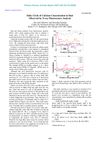
Hair can show daily calcium changes, linked to body calcium levels and influenced by hormones, and can help assess calcium metabolism issues.
150 citations
,
July 2001 in “Clinics in dermatology” Proper haircare and communication with doctors are key to managing hair loss and avoiding damage.
 4 citations
,
May 2014 in “PubMed”
4 citations
,
May 2014 in “PubMed” Monoethanolamine-based hair colorants can cause more damage to hair than ammonia-based ones.
8 citations
,
March 2007 in “International Journal of Cosmetic Science” 6-O glucose linoleate helps human hair grow and produce lipids.
June 2025 in “Clinical and Experimental Dermatology” A 76-year-old man's grey hair turned back to its original color after radiotherapy.

A natural, eco-friendly treatment using casein and tannic acid strengthens hair by 21% while keeping it elastic.
23 citations
,
November 2007 in “Actas Dermo-Sifiliográficas” Thyroid hormone (T3) may reverse gray hair by stimulating hair growth.
May 2023 in “Sokoto journal of medical laboratory science” Commercial hair dyes can harm the skin and liver.
84 citations
,
April 2015 in “Cosmetics” Hair dyes vary in how long they last and how deeply they penetrate hair.
10 citations
,
March 2016 in “Toxicology and applied pharmacology” Using A132 hair dye with sunlight can cause skin damage and hair loss.
September 2011 in “Daehan miyong hakoeji” Henna orange powder, especially with alkali, protects and colors hair better than oxidizing colorants.
 January 2014 in “University of the Arts London Research Online (University of the Arts London)”
 Certain ingredients can help protect hair color.
3 citations
,
May 1964 in “Nature” 12 citations
,
July 2012 in “Journal of Applied Polymer Science” Botanical extracts can protect and repair bleached hair.
25 citations
,
January 2013 in “Colloids and surfaces. B, Biointerfaces” Hair dye colors mainly target melanin granules in black hair.
November 2016 in “University of the Arts London Research Online (University of the Arts London)” Shampoos with polymers and dyes help maintain and enhance hair color vibrancy.
1 citations
,
April 2013 in “Pakistan Journal of Biological Sciences” Hair coloring, waving, and ironing cause more hair damage than not using these treatments.
 13 citations
,
June 2021 in “Carcinogenesis”
13 citations
,
June 2021 in “Carcinogenesis” Certain hair straighteners and dyes may increase ovarian cancer risk, especially in African American/Black women.
 7 citations
,
February 2016 in “Dermatology and therapy”
7 citations
,
February 2016 in “Dermatology and therapy” t-Flavanone helps improve male pattern hair loss by making hair roots stronger.
 32 citations
,
January 2008 in “Journal of Microencapsulation”
32 citations
,
January 2008 in “Journal of Microencapsulation” Cosmetics with hinokitiol-loaded nanocapsules were found to effectively promote hair growth.
 7 citations
,
January 2013 in “Journal of Cosmetics, Dermatological Sciences and Applications”
7 citations
,
January 2013 in “Journal of Cosmetics, Dermatological Sciences and Applications” Argan oil and cupuassu butter can protect hair after dyeing.
 January 2014 in “Journal of Pigmentary Disorders”
 Women's hair gets thinner and grayer as they age, with treatments available for hair loss and graying.
7 citations
,
September 2004 in “International Journal of Cosmetic Science” Blond hair lightens more with visible light directly, while ultraviolet light lightens it after washing by damaging other hair parts.
5 citations
,
November 2023 in “Journal of Advanced Research” New methods may change hair color and shape from the root, revolutionizing hair styling.
20 citations
,
February 2023 in “Biology” Innovative cosmetics could safely change hair color by targeting biological hair pigmentation processes.
6 citations
,
October 2003 in “Journal of applied polymer science” A new method using poly(ethylene imine) improves hair dyeing at lower temperatures with better color retention.