January 2024 in “Veterinary Dermatology” A rare skin condition was found in a Labrador retriever outside North America.
April 2018 in “Blackwell's Five‐Minute Veterinary Consult Clinical Companion” The document concludes that skin and hair changes in small animals are often due to hormonal imbalances and recommends regular baths and antibiotics for associated infections.
55 citations
,
February 2013 in “The Anatomical Record” Mouse nails are similar to human nails, making them useful for studying nail diseases.
12 citations
,
March 2021 in “JAAD Case Reports” Nail changes from immunotherapy can be managed without stopping cancer treatment.
 December 2021 in “Molecular genetics and genomics”
 Cats with abnormal hair had DSG4 gene changes causing hair problems.
 16 citations
,
April 2012 in “Journal of mammalogy”
16 citations
,
April 2012 in “Journal of mammalogy” Young female Australian fur seals are losing hair due to low tyrosine and zinc levels and high pollution exposure.
 January 2015 in “Turkiye Klinikleri Journal of Dermatology”
 Peripilar keratin casts are a helpful sign for diagnosing traction alopecia.
 7 citations
,
January 2014 in “Case reports in pediatrics”
7 citations
,
January 2014 in “Case reports in pediatrics” A baby's toe was severely damaged by a hair tourniquet, leading to bone and tendon damage, but improved after surgery and treatment.
 October 2025 in “Buletin Veteriner Udayana”
 Early diagnosis and treatment of Notoedres cati in cats is crucial for recovery and preventing reinfestation.
Aged Julia Creek dunnarts suffer from reproductive and hormonal issues, aiding conservation efforts.
36 citations
,
March 2014 in “Cell death and differentiation” Disrupting β-catenin signaling in certain cells causes anorectal malformations.
 January 2025 in “International Journal of Dermatology Sciences”
 Nail changes in alopecia areata are common and may indicate severity and genetic risk.
1 citations
,
April 2025 in “Journal of Feline Medicine and Surgery” Early diagnosis and treatment by vets are crucial for managing rare but severe feline skin disorders.
August 2004 in “Veterinary Dermatology” Cats with internal diseases can develop skin issues that may require specific treatments.
7 citations
,
February 2019 in “Veterinary medicine and science” An American Bully with a genetic skin condition improved significantly with specific topical treatments.
June 2021 in “The Journal of Family Practice” A 69-year-old woman has a fast-growing hand lesion that didn't improve with salicylic acid.
1 citations
,
December 2021 Cats likely have a reactive skin condition, while dogs may have a more complex, possibly cancerous one.
2 citations
,
January 2022 in “JAAD Case Reports” The rash resolved after stopping ponatinib.
8 citations
,
November 2009 in “The Neurologist/The neurologist” If someone has scaly skin, muscle stiffness, and intellectual disability, doctors should consider Sjogren-Larsson Syndrome, but other conditions if more symptoms are present.
 June 2022 in “Veterinary evidence”
 Clomipramine alone does not reduce overgrooming in cats with psychogenic alopecia.
 13 citations
,
November 2005 in “Veterinary Dermatology”
13 citations
,
November 2005 in “Veterinary Dermatology” A dog's skin calcification condition resolved without treatment after a bacterial infection.
August 2023 in “Journal of the European Academy of Dermatology and Venereology” Onycholemmal horn is a rare nail tumor in elderly women, treated by surgical removal.
July 2023 in “Cosmoderma”  5 citations
,
January 2021 in “Veterinary dermatology”
5 citations
,
January 2021 in “Veterinary dermatology” Low-level laser therapy did not reduce licking or improve lesions in dogs with ALD but did increase hair growth.
 January 2016 in “Skin appendage disorders”
 The document discusses various nail and hair disorders and their treatments.
 February 2025 in “Buletin Veteriner Udayana”
 A dog named Boby recovered from a skin infection and anemia after treatment, highlighting the need for pet cleanliness.
 8 citations
,
May 2021 in “Journal of the European Academy of Dermatology and Venereology”
8 citations
,
May 2021 in “Journal of the European Academy of Dermatology and Venereology” A COVID-19 patient had unusual nail discoloration and nail separation possibly due to the virus's effects on small blood vessels.
 1 citations
,
December 2017 in “Research for Rural Development/Research for Rural Development (Online)”
1 citations
,
December 2017 in “Research for Rural Development/Research for Rural Development (Online)” Neutered ferrets often develop hyperadrenocorticism, with symptoms like hair loss and lethargy, and androstenedione is a key indicator for diagnosis.
2 citations
,
June 2003 in “American Journal of Dermatopathology” A unique case of skin cancer showed unusual calcification, possibly linked to calcium-binding proteins.
 December 2016 in “John Wiley & Sons, Ltd eBooks”
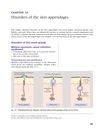
 The document concludes that proper recognition and treatment of skin appendage disorders are important for management.