24 citations
,
June 2012 in “Journal of Feline Medicine and Surgery” Devon Rex cats with skin issues were successfully treated with antifungal medication.
June 2025 in “AgroLife Scientific Journal” Early diagnosis and treatment of dermatophytosis in hedgehogs are crucial for recovery and public health.
 22 citations
,
December 2003 in “Veterinary clinical pathology”
22 citations
,
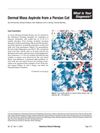
December 2003 in “Veterinary clinical pathology” The Persian cat has a skin infection caused by a fungus, treatable with antifungal medication.
19 citations
,
April 2019 in “Veterinary dermatology” Oclacitinib effectively treated a skin condition in dogs that didn't respond to other immunosuppressants.
2 citations
,
May 2023 in “Indian Journal of Dermatology Venereology and Leprology” A new genetic mutation in the CAST gene may link PLACK syndrome to alopecia areata.
6 citations
,
October 1998 in “PubMed” Antifungal treatment can improve severe skin infections with cutaneous horns.
 28 citations
,
February 2012 in “PLoS ONE”
28 citations
,
February 2012 in “PLoS ONE” A PKP1 gene mutation causes skin fragility and hair loss in Chesapeake Bay retriever puppies.
13 citations
,
September 1997 in “Archives of Dermatology” The boy likely has a fungal infection causing hair loss.
7 citations
,
April 2000 in “Mammalian Genome” A new mutation in mice causes crooked whiskers and messy hair.
April 2024 in “Veterinary Science and Medicine Journal” Proper treatment and sanitation can cure and prevent scabiosis in domestic cats.
 January 2024 in “Jurnal Ilmu Kesehatan Hewan”
 The dog recovered well after treatment, showing no skin issues and normal hair growth.
August 1969 in “Archives of Dermatology” After calciphylaxis, rats showed incomplete skin and hair regeneration, resembling scar tissue with fewer hairs.
 January 2026 in “Al-Kunooze Scientific Journal”
 Dermatophytosis is common in young, male Shirazi Persian cats, affecting ears, face, and abdomen.
 June 2022 in “Journal of the turkish academy of dermatology”
 People with plantar corns and calluses may have a higher chance of having metabolic syndrome.
 May 2019 in “Small Animal Dermatology”
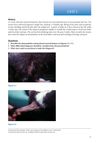
 The cat had a rare condition linked to cancer, leading to its euthanasia.
55 citations
,
August 2009 in “Journal of Feline Medicine and Surgery” Cats with adrenal tumors may have both hyperaldosteronism and hyperprogesteronism.
4 citations
,
October 2015 in “JAAD Case Reports” Surgical grafting may fix nail issues caused by valproic acid.
September 2024 in “Journal of the American Academy of Dermatology” 21 citations
,
December 2014 in “Pediatric Dermatology” Most children with pediatric trachyonychia improve over time, regardless of treatment.
August 2024 in “Postgraduate Medical Journal” A rare skin reaction from cancer treatment was successfully managed with topical treatments and antihistamines.
The study concludes that Twenty-nail dystrophy is more common in boys among children and in women among adults, with varying response to treatment.
5 citations
,
January 2000 Pododermatitis in farmed mink is likely caused by an unknown infectious agent with secondary bacterial infection.
 1 citations
,
March 2019 in “Journal of Interdisciplinary Medicine”
1 citations
,
March 2019 in “Journal of Interdisciplinary Medicine” A patient with multiple sclerosis developed skin reactions after Daclizumab treatment, requiring more data on the drug's effects.
 23 citations
,
March 1989 in “The Veterinary clinics of North America. Food animal practice”
23 citations
,
March 1989 in “The Veterinary clinics of North America. Food animal practice” Llamas often have skin issues like mange, bacterial infections, and allergies, with some treatable by zinc.
51 citations
,
May 2008 in “Mycoses” Terbinafine HCl nail solutions with DDAIP HCl are more effective than current treatments for nail infections.
 February 2010 in “Journal of The American Academy of Dermatology”
 A woman's nail separation was likely caused by poor blood flow, and a treatment for similar conditions might help.
 March 2025 in “Journal of Bio Innovation”
 Microsporum canis causes ringworm in dogs and cats, treatable with topical and oral antifungals.
7 citations
,
May 2012 in “Journal of veterinary diagnostic investigation” Some young Angus cattle had skin problems due to not enough vitamin A, which got better after they were given more vitamin A.
 January 2019 in “Przegląd Dermatologiczny”
 Chemotherapy with docetaxel can cause painful nail and skin side effects that may lead to stopping treatment.

Social hair plucking in rhesus macaques is an abnormal behavior with both social and aggressive traits, affecting health.