5 citations
,
February 2022 in “Molecular genetics & genomic medicine” New gene variants linked to a rare inherited hair loss disorder were found in three Chinese families.

Removing SIX1 in fat cells reduces skin fibrosis.
 28 citations
,
February 2010 in “British journal of dermatology/British journal of dermatology, Supplement”
28 citations
,
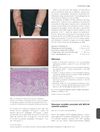
February 2010 in “British journal of dermatology/British journal of dermatology, Supplement” WNT10A mutations cause varied symptoms in patients with odonto-onycho-dermal dysplasia.
March 2026 in “Adipocyte” Spt4 and Spt6 are essential for fat cell development.
15 citations
,
June 2012 in “British Journal of Dermatology” A new mutation in the KRT86 gene causes a hair disorder with variable expression.
March 2011 in “Open Archive (Karolinska Institutet)” The mouse model showed defects in adult stem cell maintenance related to Hutchinson-Gilford progeria syndrome.
April 2023 in “Journal of Investigative Dermatology” Chronic graft-versus-host disease in the skin shows strong Th1 immune response and unique barrier issues.
20 citations
,
August 2003 in “Clinical and Experimental Dermatology” A new genetic mutation in the hairless gene causes a rare hair loss disorder.
 104 citations
,
May 2003 in “Endocrinology”
104 citations
,
May 2003 in “Endocrinology” Lampreys have a functional vitamin D receptor that may help detoxify harmful substances.
October 2019 in “Research Square (Research Square)” Certain circular RNAs may regulate wool follicle growth in sheep.
September 2013 in “Helda (University of Helsinki)” Mutations in specific genes cause certain congenital defects in dogs, aiding in understanding similar human diseases.
 April 2017 in “Journal of Investigative Dermatology”
 A boy with Oculodentodigital syndrome had a unique GJA1 gene mutation causing his symptoms.
April 2010 in “Cancer Research” Basal cell carcinomas may use IDO to protect themselves from the immune system.
 20 citations
,
August 2014 in “PloS one”
20 citations
,
August 2014 in “PloS one” MED1 affects skin wound healing differently in young and old mice.
47 citations
,
February 2014 in “Journal of Cutaneous Pathology” Matrical tumors share a common growth mechanism involving the Wnt pathway and consistent PHLDA1 expression.
 October 2023 in “The American Journal of Gastroenterology”
 Cronkhite-Canada syndrome is rare, with high mortality and cancer risk, needing more research for treatment guidelines.
September 1999 in “Molecular Carcinogenesis” Increased ODC expression makes normally tumor-resistant mice more prone to tumor development.
 11 citations
,
August 2010 in “Developmental neurobiology”
11 citations
,
August 2010 in “Developmental neurobiology” Ptprq has multiple forms that change during inner ear development.
15 citations
,
June 2011 in “Journal of Investigative Dermatology” Overexpressing 14-3-3σ in mice skin reduces cell growth and hair density.
 7 citations
,
April 2013 in “Journal of Cellular Biochemistry”
7 citations
,
April 2013 in “Journal of Cellular Biochemistry” CD61 is important for mouse tooth cell growth and works through Lgr5.
 February 2016 in “Acta Medica Marisiensis”
 A woman with chronic hepatitis C had a rare skin condition linked to her illness.
 11 citations
,
August 2019 in “Journal of Molecular Histology”
11 citations
,
August 2019 in “Journal of Molecular Histology” NFIC helps rat dental cells grow and turn into bone-like cells.
37 citations
,
January 1993 in “Journal of Investigative Dermatology”  25 citations
,
June 2018 in “Journal of The American Academy of Dermatology”
25 citations
,
June 2018 in “Journal of The American Academy of Dermatology” Genes linked to fibrosis are more active in people with central centrifugal cicatricial alopecia.
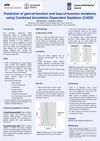 1 citations
,
September 2017
1 citations
,
September 2017 C-scores can help predict gain-of-function and loss-of-function mutations.
 11 citations
,
January 2020 in “BMC pediatrics”
11 citations
,
January 2020 in “BMC pediatrics” New mutations in the SLC39A4 gene found in twins help understand the genetic cause of acrodermatitis enteropathica.
January 2026 in “Journal of Ethnopharmacology” Cedrol promotes hair growth better than baricitinib by regulating immune cells.
 February 2025 in “Cureus”
 Early diagnosis and treatment of NCCAH can improve symptoms and fertility.
 April 2016 in “The journal of investigative dermatology/Journal of investigative dermatology”
 RPGRIP1L helps skin cells stick together by blocking PKCβII, which can prevent skin blistering like in pemphigus.

Not having the gene PLAAT3 leads to fat loss, high insulin resistance, and abnormal fat levels in the blood due to a disruption in fat cell development and function.