 4 citations
,
January 2019 in “Clinical Chemistry”
4 citations
,
January 2019 in “Clinical Chemistry” Diagnosing Polycystic Ovary Syndrome is hard due to varying symptoms, no set criteria, and the need for better tests and education.
3 citations
,
March 1992 in “Journal of clinical pathology” Most women with excess hair growth need only a clinical evaluation and minimal tests unless they show signs of virilism.
 31 citations
,
February 1997 in “The Journal of Clinical Endocrinology and Metabolism”
31 citations
,
February 1997 in “The Journal of Clinical Endocrinology and Metabolism” People who carry the 21-Hydroxylase Deficiency gene are not more likely to have excessive male hormone levels.
 47 citations
,
February 2015 in “European Journal of Clinical Investigation”
47 citations
,
February 2015 in “European Journal of Clinical Investigation” The review suggests thorough evaluation and genetic testing for proper diagnosis and treatment of Chrousos syndrome.
 36 citations
,
May 2011 in “The Journal of Clinical Endocrinology & Metabolism”
36 citations
,
May 2011 in “The Journal of Clinical Endocrinology & Metabolism” Treatment with a hormone agonist can reduce excess male hormones in postmenopausal women without surgery.
 9 citations
,
May 2008 in “Journal of Clinical Oncology”
9 citations
,
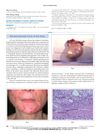
May 2008 in “Journal of Clinical Oncology” A woman's ovarian tumor causing high testosterone was successfully removed, and her symptoms improved.
 March 2021 in “Serbian Journal of Experimental and Clinical Research”
 PCOS is a complex hormonal disorder with no clear cause or single diagnostic test, and current treatments focus on symptoms.
 22 citations
,
August 2013 in “International journal of gynaecology and obstetrics”
22 citations
,
August 2013 in “International journal of gynaecology and obstetrics” Acne severity in women with PCOS is linked to younger age, lower body weight, and more body hair, but not to hormone levels.
 9 citations
,
November 2013 in “Presse Medicale”
9 citations
,
November 2013 in “Presse Medicale” The document concludes that managing female hyperandrogenism requires a combination of identifying the cause, lifestyle changes, medication, and cosmetic treatments.
 12 citations
,
November 1993 in “International Journal of Dermatology”
12 citations
,
November 1993 in “International Journal of Dermatology” The document explains that hirsutism, often caused by hormonal issues, can be managed with treatment to improve both physical appearance and mental health.
 4025 citations
,
December 2003 in “Human Reproduction”
4025 citations
,
December 2003 in “Human Reproduction” The 2003 consensus updated PCOS diagnosis criteria and linked PCOS to higher risks of diabetes and heart problems, recommending lifestyle changes to lower these risks.
 80 citations
,
January 1995 in “The American Journal of Medicine”
80 citations
,
January 1995 in “The American Journal of Medicine” Hair loss in androgenetic alopecia is caused by genetic factors and androgen excess, and can be treated with combined therapies.
 100 citations
,
May 2011 in “Journal of Pediatric and Adolescent Gynecology”
100 citations
,
May 2011 in “Journal of Pediatric and Adolescent Gynecology” The document concludes that proper diagnosis and a multidisciplinary approach are crucial for managing Congenital Adrenal Hyperplasia effectively.
 2 citations
,
June 2011 in “Expert Review of Dermatology”
2 citations
,
June 2011 in “Expert Review of Dermatology” Female pattern hair loss involves thinning hair on crown and frontal scalp, diagnosed by hair ratio, and treated with minoxidil, antiandrogens, or hair transplantation.
 December 2013 in “Faculty Opinions – Post-Publication Peer Review of the Biomedical Literature”
 Flutamide, an oral anti-androgen therapy, is effective in treating female pattern hair loss, even without systemic androgen excess.
 55 citations
,
August 2008 in “Reviews in endocrine and metabolic disorders”
55 citations
,
August 2008 in “Reviews in endocrine and metabolic disorders” Nonclassic adrenal hyperplasia is a genetic condition that can cause early puberty and fertility problems, treated with specific steroids.
 42 citations
,
April 2013 in “Steroids”
42 citations
,
April 2013 in “Steroids” Non-classic congenital adrenal hyperplasia is a common disorder causing symptoms like acne and infertility, and it's managed based on symptoms, not just test results. Treatment can improve fertility and reduce miscarriage risk.
 14 citations
,
July 1987 in “Dermatologic Clinics”
14 citations
,
July 1987 in “Dermatologic Clinics” The document concludes that treating female hair loss should target reducing excess androgen and blocking its effects on hair follicles, with the best treatments being hormonal therapy, adrenal suppression, and topical minoxidil.
 10 citations
,
January 2017 in “Dermatology Online Journal”
10 citations
,
January 2017 in “Dermatology Online Journal” Metformin helps treat moderate-to-severe acne when used with other treatments.
 1 citations
,
January 2008 in “touchREVIEWS in Endocrinology”
1 citations
,
January 2008 in “touchREVIEWS in Endocrinology” Generalized glucocorticoid resistance causes hormone imbalances and varied symptoms due to gene mutations.
July 2023 in “Journal of the ASEAN Federation of Endocrine Societies” GnRH agonist effectively diagnoses and treats postmenopausal hyperandrogenism from ovarian sources.
 October 2021 in “Journal of Advanced Biomedical and Pharmaceutical Sciences”
 Vitamin D helps improve PCOS by aiding insulin function and ovarian health.
PCOS is a common hormonal disorder with symptoms like irregular periods and excess hair growth, managed with lifestyle changes and medications.
 January 2009 in “Elsevier eBooks”
 Some plant-based treatments may help with ovary function, insulin resistance, and excess male hormones in PCOS, but more research is needed to confirm their safety and effectiveness.
 February 2005 in “Journal of The American Academy of Dermatology”
 Metabolic syndrome can cause serious health issues and should be considered when treating women with severe acne.
 17 citations
,
April 2010 in “Archives of Gynecology and Obstetrics”
17 citations
,
April 2010 in “Archives of Gynecology and Obstetrics” Obese women had more testosterone and less acne, but similar hair growth compared to non-obese women.
 11 citations
,
August 2019 in “The Journal of Sexual Medicine”
11 citations
,
August 2019 in “The Journal of Sexual Medicine” Women with nonclassic congenital adrenal hyperplasia experience more sexual dysfunction and distress.
June 2025 in “JCEM Case Reports” False high testosterone levels were corrected using a more accurate test.
 January 2008 in “The New England Journal of Medicine”
 Children receive less than half of recommended health care, and routine hormonal testing for female-pattern hair loss is unnecessary without other androgen excess symptoms.
 78 citations
,
January 2000 in “Gynecological Endocrinology”
78 citations
,
January 2000 in “Gynecological Endocrinology” Norgestimate is the most effective birth control progestin for reducing an enzyme linked to acne and excessive hair growth in women.