 January 2024 in “International Journal of Trichology”
 Human platelet-rich plasma is better than fetal bovine serum for growing cells that help hair regrow.
 August 2023 in “Veterinary Record Case Reports”
 High-dose ciclosporin significantly improved a young cat's severe skin condition.
 December 2022 in “International Journal of Women's Dermatology”
 The Sinclair Shedding Scale is effective for diagnosing Alopecia Areata Incognita and monitoring treatment success.
January 2020 in “SSRN Electronic Journal” Different autoantibody groups in pediatric SLE are linked to specific symptoms and disease outcomes.
 January 2023 in “Dermatologic Therapy”
 A new hand-held light therapy device was found to be safe and effective for treating mild-to-moderate acne.
January 2023 in “Journal of Clinical and Diagnostic Research” Microneedling with PRP is as effective and safe as minoxidil+finasteride for treating hair loss.
 July 2020 in “Journal of The American Academy of Dermatology”
 Botulinum toxin affects hair follicles, inhibiting TGF-B1 secretion; more research ongoing.
9 citations
,
November 2024 in “Journal of Wound Management Official journal of the European Wound Management Association” Cold Plasma shows promise for healing wounds by killing bacteria and helping tissue grow.
118 citations
,
April 2020 in “Stem Cell Research & Therapy” IFNγ-primed MSC secretomes can improve joint health by reducing inflammation and supporting tissue repair.
60 citations
,
August 2022 in “ESMO Open” Trastuzumab deruxtecan is effective for HER2-positive breast cancer but requires careful management of side effects.
32 citations
,
May 2018 in “Journal of the American Academy of Dermatology” Skin reactions from cancer treatments might predict how well the treatments work.
19 citations
,
August 2024 in “Journal of Translational Medicine” Epidermal stem cells are vital for skin healing and have potential for treating skin disorders.
 7 citations
,
December 2021 in “Journal of The American Academy of Dermatology”
7 citations
,
December 2021 in “Journal of The American Academy of Dermatology” COVID-19 can cause hair loss starting as early as 18 days after infection.
3 citations
,
June 2023 in “Medicina” No medications for alcohol dependence have been approved for marketing yet.
3 citations
,
January 2022 in “Anais Brasileiros De Dermatologia” Androgenetic alopecia in teens is linked to obesity and other metabolic risks, needing early diagnosis and management.
 July 2026 in “Dermatology and Therapy”
 Alopecia areata in Brazil causes significant psychosocial impacts, with limited access to advanced treatments, especially in public healthcare.
 June 2026 in “Frontiers in Medicine”
 Hair-loss trials have increased, but need more diverse participants and standardized measures.
More hair-loss studies are needed with standardized outcomes and diverse participants.
May 2026 in “Dermatologic Surgery” GLP-1RAs may cause hair loss but could also help regrow hair in some cases.
 February 2026 in “Cosmetics”
 Perifollicular elastolysis is poorly understood, with limited treatment options and inconsistent results.
October 2025 in “Pharmaceuticals” Auranofin shows promise as a cancer treatment, especially when combined with other therapies.
 March 2024 in “BMC women's health”
 The levonorgestrel implant increases free testosterone and lowers SHBG more than DMPA-IM and the copper IUD.
 September 2023 in “International Journal of Trichology”
 Oral Vitamin D can improve hair density and reduce hair loss in Telogen Effluvium patients.
 September 2023 in “Journal of the American Academy of Dermatology”
 Oral terbinafine is more effective than griseofulvin for treating certain scalp infections in children.
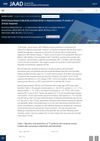 April 2023 in “Journal of the American Academy of Dermatology”
 Switching between the medications tofacitinib and baricitinib can be effective for treating hair loss in alopecia areata.
 November 2022 in “International Journal of General Medicine”
 Women with Polycystic Ovary Syndrome are more likely to have Non-Alcoholic Fatty Pancreas Disease, which is associated with older age, metabolic syndrome, insulin resistance, and high male hormone levels.
January 2022 in “Skin Appendage Disorders” Areata-like lupus can mimic alopecia areata but is a form of cutaneous lupus erythematosus.
129 citations
,
July 2019 in “Stem Cell Research & Therapy” Epidermal stem cells help heal severe skin wounds and have potential for medical treatments.
 57 citations
,
October 2021 in “Journal of ethnopharmacology”
57 citations
,
October 2021 in “Journal of ethnopharmacology” Indian herbal medicine shows promise for treating skin diseases but needs more research to prove effectiveness.