Search
for
Sort by
Research
30-60 / 1000+ resultsresearch Glabellar clinical and trichoscopic findings in patients with frontal fibrosing alopecia
Frontal fibrosing alopecia can be diagnosed by examining facial areas and treated with specific medications to stop its progression.
research Trichoscopic and clinical characteristics of temporal triangular alopecia. A multicenter study
The study found that Temporal Triangular Alopecia often starts in early childhood, mainly affects the left side of the scalp, and has no effective treatment except surgery.
research Androgenetic alopecia: Clinical features and trichoscopy
Early detection and trichoscopy are key for treating hair loss effectively.
research A 52-Week Real-Life Study of Baricitinib in Moderate to Severe Alopecia Areata: Clinical, Trichoscopic Assessment and Patient Reported Outcomes
Baricitinib significantly improved hair regrowth and quality of life in severe alopecia areata patients.
research Complete Clinical and Trichoscopic Remission of Refractory Patch Alopecia Areata with a Multi-Modal Microneedling and Vitamin D3 Protocol: A Case Report
A combined treatment with microneedling and vitamin D3 led to complete hair regrowth in a woman with stubborn patch alopecia areata.
research Bad Hair Days: A Clinical and Trichoscopic Evaluation of Scalp Lesions
Trichoscopy is a valuable tool for accurately diagnosing scalp conditions without invasive procedures.

research A study of clinicoepidemiological profile and trichoscopic features in clinical patterns of female pattern hair loss in a rural tertiary care hospital
Trichoscopy is useful for early detection and monitoring of female pattern hair loss.
research Clinical, Tricoscopic and Histopathological Findings in Mexican Women with Traction Alopecia
Changing certain hairstyles can prevent worsening hair loss in Mexican women.
research Evaluation of clinical and trichoscopic features of androgenetic alopecia and its relation with disease severity
PFD patch helps laser tattoo removal, trichoscopy diagnoses AGA, and serum boosts SOD activity.

research A Comparative Clinical and Trichoscopic Study Between Fractional Radiofrequency Microneedling Versus Intralesional Steroids in Treatment of Alopecia Areata
Fractional radiofrequency microneedling is as effective and safe as intralesional steroids for treating patchy alopecia areata, with fewer side effects.
research Trichoscopic Markers and Clinical Response Patterns With Ritlecitinib in Severe Alopecia Areata: 24‐Week Outcomes From a Prospective Real‐World Cohort
Ritlecitinib is effective and safe for treating severe alopecia areata, showing significant hair regrowth and improved mental health.
research Erosive pustular dermatosis of the scalp: Clinical, trichoscopic, and histopathologic features of 20 cases
The conclusion is that high-potency steroids or tacrolimus are effective treatments for erosive pustular dermatosis of the scalp.
research The Importance of Trichoscopy in Clinical Practice
Trichoscopy is a valuable tool for diagnosing and managing hair and scalp disorders.
research Monilethrix: the use of tricoscopy in clinical diagnosis
Monilethrix is a genetic disorder causing brittle hair, diagnosed using tricoscopy.

research Trichoscopic findings in androgenetic alopecia and their clinical correlation
Trichoscopy helps diagnose and monitor hair loss, showing different signs at various stages of hair thinning.

research Common causes of hair loss – clinical manifestations, trichoscopy and therapy
The document concludes that understanding and treating hair loss requires recognizing its various types and using appropriate diagnostic tools and treatments.

research Alopecia Areata Incognita and Diffuse Alopecia Areata: Clinical, Trichoscopic, Histopathological, and Therapeutic Features of a 5-Year Study
The study concluded that AAI and DAA are forms of the same disease, with different symptoms in men and women, and that corticosteroid treatment is effective.

research Hair loss in adult females: A clinical and trichoscopic study
Most adult women experiencing hair loss are aged 21-40, with the most common type being female pattern hair loss. Trichoscopy is a useful tool for diagnosing different types of hair loss.

research 716A study of clinical and trichoscopic evaluation of diffuse hair loss in adult females
The study concluded that examining the scalp with a special magnifying device helps diagnose the cause of widespread hair loss in adult women.

research clinical, laboratory and trichoscopic features of pediatric androgenetic alopecia: a retrospective analysis in 133 patients
Pediatric androgenetic alopecia is linked to obesity, family history, hormonal imbalances, and requires personalized treatment including managing comorbidities.
research Nonspecific diffuse alopecia as a single manifestation of syphilis infection: clinical and trichoscopic features
Syphilis can cause hair loss without other symptoms and should be considered when diagnosing unexplained hair loss.

research Epidemiological, Clinical, and Trichoscopic Features of Syphilitic Alopecia: A Retrospective Analysis and Systematic Review
About 11% of patients with secondary syphilis had Syphilitic Alopecia, which usually improved with treatment.
research Two different trichoscopic patterns of mid-frontal scalp in patients with frontal fibrosing alopecia and clinical features of androgenetic alopecia
Two trichoscopic patterns found in hair loss: diffuse fibrotic and androgenetic alopecia, affecting treatment choice and regrowth chances.
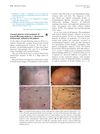
research Unusual patterns of presentation of frontal fibrosing alopecia: A clinical and trichoscopic analysis of 98 patients
Trichoscopy helps diagnose frontal fibrosing alopecia, even with unusual patterns.
research Epidemiological, Clinical, Trichoscopic, and Histopathological Features of Lupus Erythematous Mimicking Alopecia Areata: A Multicenter Retrospective Study
Lupus erythematosus can mimic alopecia areata, and trichoscopy is key for accurate diagnosis and better patient outcomes.

research Uncommon Presentation of Pityriasis Rubra Pilaris of the Scalp: Clinical, Trichoscopic, and Histopathologic Features and Review of the Literature
Recognizing scalp symptoms in PRP is crucial for proper diagnosis and treatment.
research Lyophilized growth factor intralesional injection in female pattern hair loss: A clinical and trichoscopic study
Injections improve hair growth, density, and thickness in women safely.
research Characteristics, Clinical, and Trichoscopic Features in Pediatric Patients with Alopecia Areata: A Single-Center Observational Study at the Dermatology Clinic of Dr. M. Djamil General Hospital Padang
Most children with alopecia areata have patchy hair loss and common trichoscopic features like yellow and black dots.
research Trichoscopic Diagnosis of Structural Hair Defects in a Clinical Setting: A Cross-Sectional Analytical Study
Special scalp and hair examination techniques can identify hair problems.