 December 2024 in “PubMed”
 TrichoFoam™ effectively delivers multiple hair loss treatments, maintaining their stability and effectiveness.
July 2026 in “Journal of Investigative Dermatology” June 2025 in “British Journal of Dermatology” Tofacitinib was more effective than methotrexate for treating alopecia areata.
January 2001 in “대한피부과학회지” Oral minipulse therapy with betamethasone effectively promotes hair regrowth in alopecia areata with fewer side effects.
 February 2011 in “Annales de dermatologie et de vénéréologie”
 Tofacitinib shows promise for treating severe alopecia areata with good safety and effectiveness.
June 2025 in “British Journal of Dermatology” Tofacitinib is more effective than methotrexate for treating moderate-to-severe alopecia areata.
 14 citations
,
July 2012 in “Journal of the American Academy of Dermatology”
14 citations
,
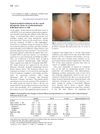
July 2012 in “Journal of the American Academy of Dermatology” Topical tacalcitol ointment can help improve symptoms of EFFC.
 37 citations
,
October 2017 in “Clinical and Experimental Dermatology”
37 citations
,
October 2017 in “Clinical and Experimental Dermatology” Oral tofacitinib shows promise in treating atopic dermatitis and alopecia areata, but only slight improvement in vitiligo.
34 citations
,
April 1982 in “BMJ” 1 citations
,
May 2017 in “Journal of Clinical Oncology” Topical calcitriol is safe for preventing hair loss during chemotherapy.
8 citations
,
March 2005 in “JDDG Journal der Deutschen Dermatologischen Gesellschaft” Bimatoprost eye drops can cause temporary eyelid changes and may help with hair growth research.
1 citations
,
August 2024 in “Indian Dermatology Online Journal” Bicalutamide may effectively treat female pattern hair loss with minimal side effects.
17 citations
,
November 2009 in “Dermato-endocrinology” Medium-dose prednisolone pulse therapy is effective and safe for multifocal alopecia areata but not for more severe forms.
 2 citations
,
February 2009 in “Journal of the American Academy of Dermatology”
2 citations
,
February 2009 in “Journal of the American Academy of Dermatology” Injecting triamcinolone into the eyebrow area may help eyelash regrowth in alopecia areata patients.
January 2015 in “Annals of dermatology/Annals of Dermatology” Using travoprost for glaucoma may cause extra hair growth and darker skin around the eyes, but these effects can reverse after stopping the drug.
Further trials are needed to explore the efficacy of triamcinolone acetonide in dermatology.
2 citations
,
July 2014 in “Journal of pharmacology and pharmacotherapeutics” A woman got unwanted hair growth on her face from using bimatoprost eyedrops for glaucoma.
 11 citations
,
November 2019 in “Clinical Case Reports”
11 citations
,
November 2019 in “Clinical Case Reports” A Brazilian teenager with severe hair loss had total hair regrowth with no side effects after using tofacitinib.
Combining pentoxifylline with corticosteroids improves alopecia areata treatment.
 13 citations
,
November 2021 in “Pediatric Dermatology”
13 citations
,
November 2021 in “Pediatric Dermatology” Tofacitinib taken by mouth helps treat hair loss in children.
 9 citations
,
February 2022 in “European Journal of Pharmaceutics and Biopharmaceutics”
9 citations
,
February 2022 in “European Journal of Pharmaceutics and Biopharmaceutics” A new treatment for hair loss uses tiny lipid carriers to deliver a mix of minoxidil and latanoprost directly to hair follicles, promoting hair growth and being well tolerated by the skin.
The cream with xyloglucan, pea protein, and cactus extract works as well as the standard treatment for psoriasis and is well-tolerated.

Higher doses of prednisone and triamcinolone acetonide successfully treated 8 out of 10 alopecia totalis patients.
1 citations
,
January 2024 in “Arab Board Medical Journal” Tofacitinib effectively regrows hair in alopecia areata patients, especially in younger individuals, with manageable side effects.
 2 citations
,
December 2020 in “American Journal of Dermatological Research and Reviews”
2 citations
,
December 2020 in “American Journal of Dermatological Research and Reviews” The combination therapy was effective and well-tolerated, especially in young patients.
3 citations
,
July 2024 in “Archives of Dermatological Research” Oral ritlecitinib and baricitinib are promising treatments for severe alopecia areata due to their balance of effectiveness and safety.
6 citations
,
November 2020 in “Clinical Cosmetic and Investigational Dermatology” Both concentrations of triamcinolone acetonide are effective for hair regrowth in patchy alopecia areata, but 5 mg/mL is recommended to reduce side effects.
May 2008 in “10th European Congress of Endocrinology” 3 citations
,
July 2009 in “Experimental and Clinical Endocrinology & Diabetes” Low-dose Buserelin effectively reduces hirsutism with minimal side effects.