 17 citations
,
February 2019 in “Journal of steroid biochemistry and molecular biology/The Journal of steroid biochemistry and molecular biology”
17 citations
,
February 2019 in “Journal of steroid biochemistry and molecular biology/The Journal of steroid biochemistry and molecular biology” AKR1D1 controls glucocorticoid levels and receptor activity in liver cells.
June 2023 in “bioRxiv (Cold Spring Harbor Laboratory)” Scientists created cell lines to study a genetic skin disorder using CRISPR technology.
28 citations
,
November 2018 in “American Journal of Medical Genetics Part A” ODC1 gene mutations cause a neurodevelopmental disorder with large head size, hair loss, and facial abnormalities.
 56 citations
,
December 2011 in “The Plant Journal”
56 citations
,
December 2011 in “The Plant Journal” AGD1 is important for root hair development in Arabidopsis, working with phosphoinositide signaling and the actin cytoskeleton.
 112 citations
,
January 2014 in “Molecular and cellular therapies”
112 citations
,
January 2014 in “Molecular and cellular therapies” Blocking the Wnt pathway could lead to new treatments for cancer and tissue repair but requires careful development to avoid side effects.
 May 2022 in “Gastroenterology”
 Targeting NETs may help reduce fibrosis in Crohn's disease.
 April 2017 in “Journal of Investigative Dermatology”
 Removing the Crif1 gene in mouse skin disrupts skin balance and hair growth.
215 citations
,
November 2000 in “Journal of Investigative Dermatology” The system allows precise control of gene expression in mouse skin, useful for studying skin biology.
53 citations
,
October 2003 in “Genetics” The mK6irs1/Krt2-6g gene likely causes wavy hair in mice.
 April 2026 in “Human Genome Variation”
 The MBTPS2 gene variant c.970+5G>A is a common mutation causing IFAP syndrome.
 1 citations
,
December 2018 in “Journal of genetic medicine”
1 citations
,
December 2018 in “Journal of genetic medicine” A small change in the TRPS1 gene leads to a less severe form of a syndrome affecting hair, nose, and finger development.
 May 2026 in “Scientific Reports”
 Overexpression of LRIG3 in skin causes hair loss.
1 citations
,
February 2025 in “Journal of Dairy Science” The SLICK1 allele in Holstein heifers affects hair and immune traits without altering prolactin signaling.
65 citations
,
November 2013 in “The EMBO Journal” HDAC1 is crucial for skin development and preventing tumors.
 May 2026 in “BMC Medicine”
 ACOD1 deficiency worsens hair loss by causing cell aging and mitochondrial problems, but 4-OI may help.
2 citations
,
October 2023 in “PubMed” Scientists created a cell model to study and find treatments for a skin disease called RDEB.
 25 citations
,
May 1994 in “Journal of Investigative Dermatology”
25 citations
,
May 1994 in “Journal of Investigative Dermatology” Researchers found a new gene, hacl-1, that is active in mouse hair follicles during hair growth and may be important for hair biology.
 7 citations
,
September 2019 in “Journal of Cellular Physiology”
7 citations
,
September 2019 in “Journal of Cellular Physiology” Akt2 protein is essential for normal cell division in early mouse embryos.
 9 citations
,
November 2019 in “Cell calcium”
9 citations
,
November 2019 in “Cell calcium” The STIM1 R304W mutation in mice leads to bone changes and teeth hair growth.
 38 citations
,
September 2011 in “PLOS ONE”
38 citations
,
September 2011 in “PLOS ONE” Activin B helps heal skin wounds and grow hair by activating a specific cell signaling pathway.
September 2017 in “Journal of Investigative Dermatology” LRIG1 protein affects hair growth by regulating skin receptors, leading to hair loss when overexpressed.
8 citations
,
February 2024 in “Matrix Biology” 77 citations
,
February 2001 in “Journal of Dermatological Science” HGF activator helps convert HGF to its active form, promoting hair growth.
 January 2025 in “Nature Communications”
 CPK1 helps root hair growth in Arabidopsis by activating channels for calcium signaling.
April 2012 in “Development” Rac1 is crucial for normal hair structure and pigmentation.
Keratinocytes can reduce the survival of certain melanoma cells, suggesting new therapy paths.
79 citations
,
January 2002 in “Nucleic Acids Research” BMP-2 activates the Dlx3 gene in mouse skin cells, important for hair and skin development.
May 2009 in “OPAL (Open@LaTrobe) (La Trobe University)” Suppressing the HGPS mutation may improve symptoms and suggest reversibility.
 15 citations
,
June 2019 in “eLife”
15 citations
,
June 2019 in “eLife” Activin A and follistatin control when hair cells develop in mouse ears.
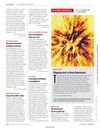
Activin A increases inner ear hair cell development, while follistatin decreases it.