 January 2026 in “BMC Veterinary Research”
 A genetic variant in "Blonde d'Aquitaine" calves causes death at birth due to a missing protein.
22 citations
,
October 2004 in “Journal of Investigative Dermatology” The gene causing hair loss and heart issues in rough coat mice is still unknown.
 2 citations
,
January 1960 in “Australian Journal of Biological Sciences”
2 citations
,
January 1960 in “Australian Journal of Biological Sciences” The Naked gene in mice causes abnormal sebaceous glands and disrupts hair follicle organization.
63 citations
,
April 2005 in “Mechanisms of development” Mice with too much Claudin-6 have skin barrier problems and abnormal hair growth.
3 citations
,
February 1992 in “Journal of veterinary medicine. Series A” The farm-raised blue fox had a delayed winter coat cycle and abnormal hormone levels, but its hair growth and hormone changes were still linked.
1 citations
,
August 2020 The Shaven mutation in mice affects hair growth and causes a greasy coat due to abnormal lipid content.
 November 2022 in “Brazilian journal of veterinary pathology”
 The Yorkshire terrier has a genetic hair loss condition not improved by treatment.
1 citations
,
September 2024 in “Veterinary Dermatology” Trichography is important for diagnosing hair fragility in Pomeranian dogs with hair cycle issues.
 14 citations
,
March 1995 in “Journal of cell science”
14 citations
,
March 1995 in “Journal of cell science” SV40 T antigen in hair follicles causes abnormal hair and health issues in mice.
 2 citations
,
April 2025 in “Frontiers in Genetics”
2 citations
,
April 2025 in “Frontiers in Genetics” The ASIP gene is crucial for determining cattle coat color.
 52 citations
,
October 2012 in “Journal of Dermatological Science”
52 citations
,
October 2012 in “Journal of Dermatological Science” The document concludes that mouse models are crucial for studying hair biology and that all mutant mice may have hair growth abnormalities that require detailed analysis to identify.
 40 citations
,
June 2013 in “Scientific Reports”
40 citations
,
June 2013 in “Scientific Reports” A gene variant in KRT71 causes the curly fur in Selkirk Rex cats.
 14 citations
,
October 2018 in “PloS one”
14 citations
,
October 2018 in “PloS one” Deleting the Far2 gene in mice causes sebaceous gland issues and patchy hair loss.
 86 citations
,
December 2001 in “Experimental dermatology”
86 citations
,
December 2001 in “Experimental dermatology” Mutant mice help researchers understand hair growth and related genetic factors.
 34 citations
,
January 2005 in “Journal of the American Veterinary Medical Association”
34 citations
,
January 2005 in “Journal of the American Veterinary Medical Association” Cyclosporine A can reduce inflammation in dogs with sebaceous adenitis, but ongoing treatment is needed.
 January 2026 in “Animal Advances”
 Genes linked to coat color and fiber length in Chinese goats were identified.
 October 2023 in “Animal production science”
 Vitamin A deficiency changes cattle hair structure, while pregnancy may improve it, suggesting hair can indicate cattle health.
 67 citations
,
August 2007 in “American Journal of Pathology”
67 citations
,
August 2007 in “American Journal of Pathology” Overexpressing the mineralocorticoid receptor in mouse skin causes skin thinning, early skin barrier development, eye issues, and hair loss.
 8 citations
,
February 2005 in “Veterinary dermatology”
8 citations
,
February 2005 in “Veterinary dermatology” Chesapeake Bay retrievers' hair loss is likely a breed-specific, hereditary condition linked to abnormal steroid levels and distinct skin changes.
 7 citations
,
July 1999 in “In Practice”
7 citations
,
July 1999 in “In Practice” The conclusion is that a systematic approach is key for treating symmetrical alopecia in dogs, but treatment may not always be necessary.
 May 2023 in “Brazilian Journal of Animal and Environmental Research”
 Photobiomodulation effectively treats hair loss in dogs with black hair follicular dysplasia.
 November 2009 in “Companion Animal”
 The document suggests that Alopecia X in dogs is mainly a cosmetic issue and might be better left untreated.
October 2025 in “Animals” Blue light masks improved coat condition and energy in horses with PPID.
 38 citations
,
October 1988 in “Clinics in Dermatology”
38 citations
,
October 1988 in “Clinics in Dermatology” Hormones, nutrition, and seasonal changes regulate hair growth cycles, with androgens extending growth phases and factors like aging and malnutrition affecting hair loss and thinning.
 15 citations
,
December 2013
15 citations
,
December 2013 Men with more vanadium in their blood and who drink less soy milk are more likely to have hair loss.
 15 citations
,
July 2002 in “Clinical and Experimental Dermatology”
15 citations
,
July 2002 in “Clinical and Experimental Dermatology” Hair microscopy is useful for diagnosing certain hair loss conditions but has limitations and must be interpreted carefully.
7 citations
,
March 2023 in “Frontiers in Veterinary Science” Camelina oil can improve dog coat quality like flaxseed and canola oils.
 5 citations
,
December 2005 in “Clinical Techniques in Equine Practice”
5 citations
,
December 2005 in “Clinical Techniques in Equine Practice” Skin and hair changes in horses can indicate serious diseases, and recognizing these signs is important for treatment and management.
 May 2019 in “Small Animal Dermatology”
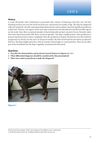
 The dog has Color Dilution Alopecia, causing hair loss and increased risk of skin infections.
 January 2011 in “Springer eBooks”
 Eating a balanced diet with the right vitamins and minerals is important for healthy hair, but too many supplements can be harmful.