 9 citations
,
February 2022 in “Biomolecules”
9 citations
,
February 2022 in “Biomolecules” Drinking a lot of alcohol increases the risk of prostate cancer and can worsen the condition.
3 citations
,
June 2024 in “International Journal of Molecular Sciences” Prolactin affects skin health and may lead to new treatments for skin and hair issues.
January 2026 in “Journal of Trace Elements in Medicine and Biology” Dogs have more iron and copper in their hair than cats, and outdoor animals have higher iron levels.
 February 2025 in “BMC Veterinary Research”
 Keratin proteins are crucial for hair growth in cashmere goats.
82 citations
,
December 2011 in “Journal of Biological Chemistry” p63 is essential for skin cell growth and differentiation by controlling specific gene networks.
4 citations
,
January 1982 in “Neuroendocrinology” Dopamine affects coat color changes in agouti mice.
The gene Endothelin 3 makes mice's fur darker by increasing pigment cells and pigment levels.
 June 2023 in “Animal Bioscience”
 Vimentin and transthyretin proteins are linked to black coat color in sheep.
1 citations
,
January 2016 in “Acta histochemica” Black sheep have higher levels of Gnαs and Gnα11 proteins, which may affect their coat color.
140 citations
,
August 2010 in “Pigment Cell & Melanoma Research” We know a lot about mouse hair color, but not much about human hair color differences.
6 citations
,
September 2010 in “Pigment Cell & Melanoma Research” We know less about human hair pigmentation than mouse coat color, but pH and cysteine levels are key factors.
3 citations
,
March 2019 in “Acta histochemica” Angiotensin II is found at higher levels in black sheep skin and may influence coat color.
1 citations
,
May 2011 in “DOAJ (DOAJ: Directory of Open Access Journals)” The study found genetic diversity in coat color dilution among Czech pointers in Slovakia.
June 2026 in “Domestic Animal Endocrinology” Angus cattle grow faster and are more feed-efficient than Brahman, especially with growth-promoting systems, and gene expression changes with cold and treatments.
 7 citations
,
July 1999 in “In Practice”
7 citations
,
July 1999 in “In Practice” The conclusion is that a systematic approach is key for treating symmetrical alopecia in dogs, but treatment may not always be necessary.
 June 2025 in “Animal Bioscience”
 miRNA-24 affects goat coat color by controlling proteins involved in pigment production.
2 citations
,
July 2025 in “Drug development & registration” A new algorithm accurately analyzes animal coat and skin colors quickly and easily.
 21 citations
,
November 2011 in “Veterinary Pathology”
21 citations
,
November 2011 in “Veterinary Pathology” Mouse skin color ranges from pink to black, depending on their hair growth cycle.
 November 2022 in “Brazilian journal of veterinary pathology”
 The Yorkshire terrier has a genetic hair loss condition not improved by treatment.
January 2007 in “UKnowledge (University of Kentucky)” Steers with winter hair coats and reduced sweating struggled with heat, leading to less grazing and poor performance.
2 citations
,
April 2025 in “Small Ruminant Research” South African sheep breeds have diverse genes affecting traits like coat color, horn development, and wool quality.
 10 citations
,
May 1986 in “Experientia”
10 citations
,
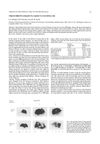
May 1986 in “Experientia” Too much zinc in the diet can cause hair loss and color change in young mice by reducing copper in the body.
 May 2026 in “Zenodo (CERN European Organization for Nuclear Research)”
 Natural hair dyes are safer but have limited shades and may fade with washing.
10 citations
,
November 2009 in “Pigment cell & melanoma research” The document concludes that MGRN1 affects mouse fur color by interfering with a receptor's signaling, but its full role in the body is still unknown.
 March 2025 in “Animal Bioscience”
 Goats' hair and color traits are linked to specific RNA expressions, useful for breeding and textiles.
15 citations
,
September 1970 in “Journal of Animal Science” Copper in the diet helps maintain hair color and mineral balance in calves.
7 citations
,
May 2021 in “Animal Genetics” The CORIN gene variant causes the golden color in Siberian cats.
 11 citations
,
January 2012 in “Journal of cell science”
11 citations
,
January 2012 in “Journal of cell science” Rac1 is essential for proper hair structure and color.
April 2026 in “The FASEB Journal” Exosomal miR-199a-3p from dermal papilla cells helps control hair color by affecting melanocytes.
 May 2026 in “Zenodo (CERN European Organization for Nuclear Research)”
 Natural hair dyes like henna and beetroot are safer but have limited colors and may fade easily.