 51 citations
,
November 2005 in “Journal of Medical Primatology”
51 citations
,
November 2005 in “Journal of Medical Primatology” Alopecia in captive rhesus macaques is affected by season, sex, age, housing, and stress, with complex links between stress hormones and hair loss.
October 2025 in “Animals” Blue light masks improved coat condition and energy in horses with PPID.
January 2025 in “Open Veterinary Journal” Supplements improved the dog's hair growth without side effects.
 October 2023 in “Animal production science”
 Vitamin A deficiency changes cattle hair structure, while pregnancy may improve it, suggesting hair can indicate cattle health.
1 citations
,
February 2005 in “OakTrust (Texas A&M University Libraries)” Diet B improved dogs' skin and hair condition.
14 citations
,
September 2017 in “Hereditas” Genes influence horse coat color and may help understand human skin conditions.
 1 citations
,
September 2022 in “Anatomía Digital”
1 citations
,
September 2022 in “Anatomía Digital” Neem oil effectively improves skin and coat conditions in cats with dermatophytosis.
March 1996 in “Proceedings of the British Society of Animal Science” Increasing dietary zinc improves dog coat quality.
March 1996 in “Proceedings of the British Society of Animal Science” Increasing dietary zinc improves dogs' hair growth and coat condition.
 116 citations
,
April 2002 in “American journal of veterinary research”
116 citations
,
April 2002 in “American journal of veterinary research” Trilostane effectively and safely treats dogs with pituitary-dependent hyperadrenocorticism, improving symptoms and adrenal gland size.
 220 citations
,
August 1988 in “Clinical endocrinology”
220 citations
,
August 1988 in “Clinical endocrinology” Melatonin may help with sleep issues, depression, and cancer, but more research is needed.
 7 citations
,
July 1999 in “In Practice”
7 citations
,
July 1999 in “In Practice” The conclusion is that a systematic approach is key for treating symmetrical alopecia in dogs, but treatment may not always be necessary.
6 citations
,
January 2005 in “Han-guk hyeonmigyeong hakoeji/Applied microscopy” The 16th-century mummy's hair was well-preserved due to a calcium surface coat.
 January 2014 in “HAL (Le Centre pour la Communication Scientifique Directe)”
 Sex hormones affect dog skin conditions, but more data is needed.
August 2004 in “Veterinary Dermatology” More research is needed to understand coat funk in Alaskan malamutes.
The chapter explains causes of hair loss and excessive hair growth in animals.
7 citations
,
March 2023 in “Frontiers in Veterinary Science” Camelina oil can improve dog coat quality like flaxseed and canola oils.
 47 citations
,
May 1999 in “Reproduction”
47 citations
,
May 1999 in “Reproduction” Goat reproductive activity and coat growth are affected by light and temperature, with temperature altering prolactin levels and hair growth, but not melatonin or estrus onset.
 194 citations
,
May 2000 in “Journal of Investigative Dermatology”
194 citations
,
May 2000 in “Journal of Investigative Dermatology” The hedgehog signaling pathway is crucial for hair growth but not for the initial creation of hair follicles.
January 2025 in “Animal Science Journal” Golden takin's hair structure is adapted to maintain body temperature in harsh winters.
Zinc methionylglycinate at 160 ppm improves dog hair and zinc levels best.
 9 citations
,
July 1995 in “Veterinary Clinics of North America: Small Animal Practice”
9 citations
,
July 1995 in “Veterinary Clinics of North America: Small Animal Practice” The document concludes that hair loss in cats is caused by various factors, including allergies, mites, infections, and hormonal issues, with treatments varying accordingly.
1 citations
,
May 2011 in “DOAJ (DOAJ: Directory of Open Access Journals)” The study found genetic diversity in coat color dilution among Czech pointers in Slovakia.
 January 2026 in “BMC Veterinary Research”
 A genetic variant in "Blonde d'Aquitaine" calves causes death at birth due to a missing protein.
June 2022 in “Zenodo (CERN European Organization for Nuclear Research)” The hydrogel with neem and tridax extracts effectively treats seborrheic dermatitis.
The naked mutation in mice causes hair loss and helps identify keratin genes.
 May 2019 in “Small Animal Dermatology”
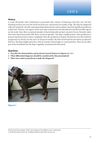
 The dog has Color Dilution Alopecia, causing hair loss and increased risk of skin infections.
 November 2009 in “Companion Animal”
 The document suggests that Alopecia X in dogs is mainly a cosmetic issue and might be better left untreated.
The 16th-century mummy's hair was well-preserved due to a calcium coating.
 4 citations
,
January 2007 in “Australian Veterinary Journal”
4 citations
,
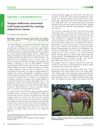
January 2007 in “Australian Veterinary Journal” A horse's sudden hair loss was caused by an allergic reaction to a coat conditioning powder.