3 citations
,
February 1992 in “Journal of veterinary medicine. Series A” The farm-raised blue fox had a delayed winter coat cycle and abnormal hormone levels, but its hair growth and hormone changes were still linked.
 February 2024 in “BMC genomics”
 The TRPV3 gene variant may cause the long-haired suri alpaca coat.
 4 citations
,
January 2007 in “Australian Veterinary Journal”
4 citations
,
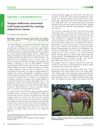
January 2007 in “Australian Veterinary Journal” A horse's sudden hair loss was caused by an allergic reaction to a coat conditioning powder.
December 2024 in “Institutional Repositories DataBase (IRDB)” Shoulder guard hair best shows sika deer's diet.
October 2024 in “Rapid Communications in Mass Spectrometry” Sika deer shoulder hair is good for analysis.
October 2025 in “Animals” Blue light masks improved coat condition and energy in horses with PPID.
107 citations
,
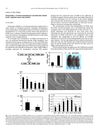
June 1997 in “PubMed” EGFR is essential for normal hair development and follicle differentiation.
 7 citations
,
December 2008 in “Journal of Dermatological Science”
7 citations
,
December 2008 in “Journal of Dermatological Science” Progranulin overexpression leads to shorter, thinner hair and increased cell death in mouse hair follicles.
39 citations
,
July 1993 in “The journal of investigative dermatology/Journal of investigative dermatology” FGF and EGF are crucial for hair follicle development and growth.
 20 citations
,
June 2014 in “BMC genomics”
20 citations
,
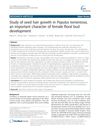
June 2014 in “BMC genomics” Poplar seed hairs grow from the placenta at the ovary base, with endoreduplication playing a key role in their development, and share similar cellulose synthesis processes with cotton fibers.
 16 citations
,
July 1992 in “The journal of experimental zoology/Journal of experimental zoology”
16 citations
,
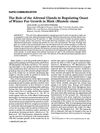
July 1992 in “The journal of experimental zoology/Journal of experimental zoology” Adrenal glands delay the start of winter fur growth in mink.
 August 2024 in “Siberian Journal of Life Sciences and Agriculture”
 Melatonin and lyotritone improve hair growth and quality in white rats.
 120 citations
,
November 2014 in “Biological Reviews”
120 citations
,
November 2014 in “Biological Reviews” The telogen phase of hair growth is active and important for preparing hair follicles for regeneration, not just a resting stage.
January 2007 in “UKnowledge (University of Kentucky)” Steers with winter hair coats and reduced sweating struggled with heat, leading to less grazing and poor performance.
 October 2023 in “JOJ dermatology & cosmetics”
 Thiocyanate helps hair growth and can be supplemented in diet or applied topically.
12 citations
,
July 1958 in “Journal of Endocrinology” Cortisone suppresses hair regrowth, especially undercoat hair, while adrenalectomy affects hair growth differently in rabbits and rats.
June 2026 in “Domestic Animal Endocrinology” Angus cattle grow faster and are more feed-efficient than Brahman, especially with growth-promoting systems, and gene expression changes with cold and treatments.
PPARβ/δ helps yaks adapt to high altitudes by regulating lipid metabolism in their coats.
27 citations
,
November 2007 in “Genomics” Mutations in specific keratin genes cause improper hair structure in mice due to faulty keratin protein assembly.
 21 citations
,
November 2011 in “Veterinary Pathology”
21 citations
,
November 2011 in “Veterinary Pathology” Mouse skin color ranges from pink to black, depending on their hair growth cycle.
20 citations
,
July 2005 in “Experimental dermatology” The fuzzy gene is crucial for controlling hair growth cycles.
 8 citations
,
April 2019 in “International journal of scientific research in biological science”
8 citations
,
April 2019 in “International journal of scientific research in biological science” Tridax procumbens is a widely used medicinal plant with many health benefits.
79 citations
,
August 1998 in “The Journal of Cell Biology” Keratin 16 delays skin maturation and affects skin and hair development in mice.
63 citations
,
April 2005 in “Mechanisms of development” Mice with too much Claudin-6 have skin barrier problems and abnormal hair growth.
11 citations
,
November 2021 in “JBMR plus” The vitamin D receptor can act without its usual activating molecule, affecting hair growth and skin cancer, but its full range of actions is not well understood.
 10 citations
,
May 1986 in “Experientia”
10 citations
,
May 1986 in “Experientia” Too much zinc in the diet can cause hair loss and color change in young mice by reducing copper in the body.
 6 citations
,
February 2013 in “Veterinary Dermatology”
6 citations
,
February 2013 in “Veterinary Dermatology” A young cat had a rare hair condition with twisted hair shafts but stayed healthy.
1 citations
,
August 2020 The Shaven mutation in mice affects hair growth and causes a greasy coat due to abnormal lipid content.
 1 citations
,
March 1994 in “Proceedings of the British Society of Animal Production”
1 citations
,
March 1994 in “Proceedings of the British Society of Animal Production” Prolactin and melatonin affect the growth of Angora and Cashmere goat hair differently.
 December 2023 in “International journal of high dilution research”
 Melatonin and Lissotriton improved hair quality and increased activity in mice.