12 citations
,
July 1958 in “Journal of Endocrinology” Cortisone suppresses hair regrowth, especially undercoat hair, while adrenalectomy affects hair growth differently in rabbits and rats.
 9 citations
,
July 1995 in “Veterinary Clinics of North America: Small Animal Practice”
9 citations
,
July 1995 in “Veterinary Clinics of North America: Small Animal Practice” The document concludes that hair loss in cats is caused by various factors, including allergies, mites, infections, and hormonal issues, with treatments varying accordingly.
8 citations
,
March 2007 in “The journal of investigative dermatology/Journal of investigative dermatology” The near-naked hairless mutation causes hair loss but is not due to a mutation in the hairless gene itself.
 7 citations
,
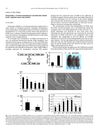
December 2008 in “Journal of Dermatological Science”
7 citations
,
December 2008 in “Journal of Dermatological Science” Progranulin overexpression leads to shorter, thinner hair and increased cell death in mouse hair follicles.
 1 citations
,
March 1994 in “Proceedings of the British Society of Animal Production”
1 citations
,
March 1994 in “Proceedings of the British Society of Animal Production” Prolactin and melatonin affect the growth of Angora and Cashmere goat hair differently.
June 2026 in “Domestic Animal Endocrinology” Angus cattle grow faster and are more feed-efficient than Brahman, especially with growth-promoting systems, and gene expression changes with cold and treatments.

Rex rabbits should not be slaughtered before 120 days for the best fur quality.
November 2022 in “Journal of Investigative Dermatology” Deleting MPZL3 increases skin oil production and reduces body fat.
January 2013 in “INTAS POLIVET” Vitamin A supplements improved skin and health issues in dogs.
The curly mutation in SELH/Bc mice affects hair and may help study human genetic disorders.
January 2005 in “Chinese Journal of Veterinary” Hairless mice lose hair by 3-4 weeks, develop thicker, folded skin, and show pigmentation differences.
January 2004 in “Laboratory Animal Science and Administration” The hairless mutant gene causes early hair loss and affects skin and thymus development in mice.
 260 citations
,
June 2011 in “Cell”
260 citations
,
June 2011 in “Cell” Wnt signaling is crucial for pigmented hair regeneration by controlling stem cell activation and differentiation.
 194 citations
,
May 2000 in “Journal of Investigative Dermatology”
194 citations
,
May 2000 in “Journal of Investigative Dermatology” The hedgehog signaling pathway is crucial for hair growth but not for the initial creation of hair follicles.
193 citations
,
June 2007 in “The Plant Journal” GhDET2 is crucial for cotton fiber growth.
 104 citations
,
October 2016 in “PLoS ONE”
104 citations
,
October 2016 in “PLoS ONE” CRISPR/Cas9 gene editing in cashmere goats increases hair follicles and fiber length, boosting cashmere yield.
81 citations
,
September 2009 in “Birth defects research” Different body areas in mice produce different hair types due to interactions between skin layers.
79 citations
,
August 1998 in “The Journal of Cell Biology” Keratin 16 delays skin maturation and affects skin and hair development in mice.
63 citations
,
April 2005 in “Mechanisms of development” Mice with too much Claudin-6 have skin barrier problems and abnormal hair growth.
 57 citations
,
April 2002 in “The journal of investigative dermatology/Journal of investigative dermatology”
57 citations
,
April 2002 in “The journal of investigative dermatology/Journal of investigative dermatology” Vitamin D receptor is crucial for starting hair growth after birth.
39 citations
,
July 1993 in “The journal of investigative dermatology/Journal of investigative dermatology” FGF and EGF are crucial for hair follicle development and growth.
23 citations
,
March 2016 in “American Journal of Primatology” In female rhesus monkeys, hair gain is linked to reduced stress levels.
 20 citations
,
June 2014 in “BMC genomics”
20 citations
,
June 2014 in “BMC genomics” Poplar seed hairs grow from the placenta at the ovary base, with endoreduplication playing a key role in their development, and share similar cellulose synthesis processes with cotton fibers.
20 citations
,
August 1979 in “PubMed” Adding zinc to marmosets' water improved their health, indicating their diet lacked enough zinc.
 16 citations
,
July 1992 in “The journal of experimental zoology/Journal of experimental zoology”
16 citations
,
July 1992 in “The journal of experimental zoology/Journal of experimental zoology” Adrenal glands delay the start of winter fur growth in mink.
 15 citations
,
May 2011 in “Veterinary Dermatology”
15 citations
,
May 2011 in “Veterinary Dermatology” Vitamin A might be a safe extra treatment for dogs with sebaceous adenitis, but more research is needed to prove its effectiveness.
 14 citations
,
March 1995 in “Journal of cell science”
14 citations
,
March 1995 in “Journal of cell science” SV40 T antigen in hair follicles causes abnormal hair and health issues in mice.
13 citations
,
November 2018 in “Animal Genetics” A new gene variant causes curly coats in some dog breeds.
11 citations
,
November 2021 in “JBMR plus” The vitamin D receptor can act without its usual activating molecule, affecting hair growth and skin cancer, but its full range of actions is not well understood.
 11 citations
,
January 2012 in “Journal of cell science”
11 citations
,
January 2012 in “Journal of cell science” Rac1 is essential for proper hair structure and color.