Onabotulinumtoxin-A effectively treated a painful scalp condition when other treatments failed.
 March 2024 in “Dermatology and therapy”
 AA patients with comorbid conditions face more severe hair loss and need specific treatments.
March 2024 in “International Seven Journal of Health Research” Alopecia areata in children causes hair loss and needs a personalized treatment plan with medical and emotional support.
 February 2024 in “The Open dermatology journal”
 Alopecia Areata affects people of all ages worldwide, is likely caused by genetic and environmental factors, and can lead to stress and depression, highlighting the need for treatments that address both physical and mental health.
January 2024 in “Journal of Scleroderma and Related Disorders” PRP injections improve skin appearance and are safe for treating morphea.
 January 2024 in “Sanjeevani Darshan National Journal of Ayurveda & Yoga”
 The treatment may help regrow hair in Alopecia Areata.
Psychological factors significantly impact alopecia areata.
January 2024 in “Journal of Biosciences and Medicines” More research is needed to understand genetic causes and create better treatments for alopecia areata.
 December 2023 in “Gugje bogeon mi-yong haghoeji”
 Scalp scaling with aroma oil improves scalp condition and user satisfaction.
 December 2023 in “Bulletin of the Medical Institute of Continuing Education”
 Angelica Dahurica extract helps reduce hair loss and improve hair growth and scalp condition.
 December 2023 in “Journal of Cosmetic Dermatology”
 The hair growth product was effective and safe, increasing hair growth, thickness, and density while reducing hair fall.
 August 2023 in “Journal of Cosmetic Dermatology”
 Higher concentration of botulinum toxin A is safe and effective for treating hair loss in men and women.
 August 2023 in “Veterinary Record Case Reports”
 High-dose ciclosporin significantly improved a young cat's severe skin condition.
July 2023 in “Nature Immunology” CD8+ virtual memory T cells may cause hair loss in alopecia areata.
 June 2023 in “Hanguk ingeurie hakoeji”
 Eating fermented protein made from black bean powder twice a day for 60 days improved hair density but not scalp condition or hair thickness.
 June 2023 in “Dermatology and therapy”
 The Middle East and Africa need better data, treatment consensus, and support for Alopecia Areata.
 May 2023 in “Health science reports”
 Coloring shampoos for gray hair may cause gene mutation, reproductive issues, and skin damage, needing stricter regulation and expert consultation.
May 2023 in “The Journal of Immunology” Expanding CD4+ Tregs can stop hair loss in alopecia areata.
 April 2023 in “International Journal of Research in Dermatology”
 Baricitinib is a promising treatment for severe alopecia areata with minimal side effects.
 April 2023 in “The journal of investigative dermatology/Journal of investigative dermatology”
 A specific group of early-stage melanocytes is reduced in vitiligo-affected skin, which may explain treatment resistance.
 April 2023 in “Medizinische Genetik”
 New research has found 14 genes linked to the risk of developing alopecia areata, improving understanding and treatment options.
 March 2023 in “International journal of integrated medical research”
 Keratosis pilaris is a common skin condition where hair follicles get clogged with keratin, mostly on the arms and thighs.
 February 2023 in “Pakistan Journal of Medical and Health Sciences”
 Pregnancy can cause various skin changes, with stretch marks, dark lines on the abdomen, and skin darkening being the most common.
 January 2023 in “International Journal of Homoeopathic Sciences”
 Homoeopathic treatment may help restore hair in Alopecia Areata by balancing the immune system.
 December 2022 in “Rossijskij žurnal kožnyh i veneričeskih boleznej”
 New treatments for child hair loss due to immune issues are effective but not yet officially approved.
 December 2022 in “European journal of internal medicine”
 Hair straightening treatments can cause serious kidney damage, especially if you have skin issues.
 November 2022 in “Journal of Education, Health and Sport”
 The skin's bacteria might influence the development of a hair loss condition called alopecia areata.
Screening for iron levels in patients with hair loss may help find a genetic iron overload condition early.
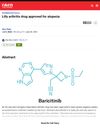 June 2022 in “C&EN global enterprise”
 The drug Olumiant is now approved to treat severe hair loss from alopecia and can also be used for some hospitalized COVID-19 patients.
 April 2022 in “Journal of Cosmetic Dermatology”
 Trimax-360 Serum, when used for 98 days, safely and effectively improves hair growth, thickness, and density without any side effects.