65 citations
,
March 2017 in “Experimental Dermatology” Curly hair is influenced by specific genetic variations.

Curly hair may be caused by a muscle contraction, and muscle relaxants might help treat it.
30 citations
,
May 2020 in “Forensic Science International Genetics” The method improved hair analysis for better forensic identification.
12 citations
,
October 2007 in “PubMed” Keratin helps protect and strengthen hair, reducing damage and color fading.
26 citations
,
March 1995 in “Differentiation” A rabbit gene important for hair development was identified and detailed.
19 citations
,
December 2006 in “Journal of Structural Biology” Type I and Type II keratin chains can form heterodimers despite sequence differences.
 11 citations
,
July 2021 in “Physiologia Plantarum”
11 citations
,
July 2021 in “Physiologia Plantarum” SIPHL1 from tomato enhances plants' response to low phosphate levels.
 5 citations
,
June 1994 in “Journal of Cutaneous Pathology”
5 citations
,
June 1994 in “Journal of Cutaneous Pathology” No CD44 in alopecia areata, present in normal and androgenetic alopecia.
 4 citations
,
January 2016 in “Case reports in dermatological medicine”
4 citations
,
January 2016 in “Case reports in dermatological medicine” A man had temporary hair loss from radiation during a medical procedure but regrew his hair after treatment with minoxidil lotion.
 3 citations
,
January 2020 in “Clinical dermatology review”
3 citations
,
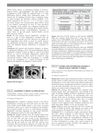
January 2020 in “Clinical dermatology review” Trichoscopy is useful for diagnosing hair and scalp disorders in people with darker skin.
Systemic lupus erythematosus is diagnosed earlier in males than females.
December 2025 in “Rapid Communications in Mass Spectrometry” Pepsin digestion improves accuracy in analyzing proteins in human hair.
 September 2025 in “International Journal of Cosmetic Science”
 Heat and UV exposure damage hair structure by altering keratins.
2 citations
,
December 2024 in “JAAD reviews.” Modifying grooming techniques and using treatments like chemical depilatories or laser hair removal can help manage Pseudofolliculitis barbae.
 5 citations
,
February 2018 in “Experimental Dermatology”
5 citations
,
February 2018 in “Experimental Dermatology” Scientists developed a way to isolate sweat glands from the scalp during hair transplants, keeping them alive for 6 days for research and cosmetic uses.
 January 2018 in “Springer eBooks”
 Trichotillomania is a condition where people repeatedly pull out their hair, which can be triggered by stress and has various physical signs.
68 citations
,
August 2014 in “PeerJ” Human hair proteins vary by individual, body site, and ethnicity, useful for forensics.
14 citations
,
September 2019 in “Forensic Science International Genetics” Hair keratin proteins can be reliably identified in hair as short as 0.12 cm, with 0.5 to 2 cm being the best length for analysis.
Hair proteins in preschool children and their mothers could indicate developmental changes and health status.
 October 2018 in “InTech eBooks”
 The gene Foxn1 is important for hair growth, and understanding it may lead to new alopecia treatments.
115 citations
,
August 2014 in “Jo'jig gonghag gwa jaesaeng uihag/Tissue engineering and regenerative medicine” Human hair keratin can be used in many medical applications.
75 citations
,
September 2015 in “Acta biomaterialia” Alkylation of human hair keratin allows for adjustable drug release rates in hydrogels for medical use.
 75 citations
,
October 2010 in “Mammalian genome”
75 citations
,
October 2010 in “Mammalian genome” Sphynx cats are hairless and Devon Rex cats have curly hair due to specific genetic mutations.
 75 citations
,
March 2009 in “Journal of The American Academy of Dermatology”
75 citations
,
March 2009 in “Journal of The American Academy of Dermatology” CCCA is a hair loss type affecting African women, possibly caused by grooming and chemicals, with various treatments and needing more research.
 75 citations
,
May 1986 in “Clinics in endocrinology and metabolism”
75 citations
,
May 1986 in “Clinics in endocrinology and metabolism” Male hormones are important for hair and oil gland development and can cause conditions like excessive hair growth and acne.
 60 citations
,
April 2018 in “Clinical, cosmetic and investigational dermatology”
60 citations
,
April 2018 in “Clinical, cosmetic and investigational dermatology” Tight hairstyles and chemical relaxers can cause hair loss known as traction alopecia.
 55 citations
,
September 2014 in “Development”
55 citations
,
September 2014 in “Development” Wnt, Eda, and Shh pathways are crucial for different stages of sweat gland development in mice.
53 citations
,
July 2016 in “Cosmetics” Future hair cosmetics will be safer and more effective.
 51 citations
,
September 2015 in “Medical Clinics of North America”
51 citations
,
September 2015 in “Medical Clinics of North America” The conclusion is that acne, alopecia, and hyperhidrosis are common skin issues with various treatments available, and accurate diagnosis is key for effective management.
47 citations
,
September 2004 in “Journal of Biological Chemistry” Hoxc13 regulates specific hair protein genes on mouse chromosome 16.