 1 citations
,
January 2023 in “Biochemical and biophysical research communications”
1 citations
,
January 2023 in “Biochemical and biophysical research communications” Keratin 79 is linked to liver damage and may help diagnose liver diseases.
December 2022 in “Scientific Reports” Compound 4 is a promising treatment for hair loss with low toxicity.
100 citations
,
November 1997 in “Human Genetics” A new mutation in the hHb1 keratin gene is linked to the hair disorder monilethrix.
 165 citations
,
September 2001 in “Genes & development”
165 citations
,
September 2001 in “Genes & development” CDP is crucial for lung and hair follicle cell development.
February 2026 in “Chemical Engineering Journal” PCA hydrogel promotes hair growth by enhancing blood vessel formation and hair follicle stem cell activity.
 6 citations
,
June 2008 in “Journal of the European Academy of Dermatology and Venereology”
6 citations
,
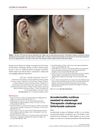
June 2008 in “Journal of the European Academy of Dermatology and Venereology” A man with Acrodermatitis continua did not get better with etanercept treatment, and his condition worsened, suggesting treatment effectiveness may vary by genetics and race.
31 citations
,
October 1992 in “PubMed” A mycobacterial protein shares a similar region with a human skin protein, possibly affecting skin diseases.
8 citations
,
December 2017 in “Small Ruminant Research” Variation in the TCHH gene affects wool curliness in sheep.
 9 citations
,
January 1999 in “Journal of Liquid Chromatography & Related Technologies”
9 citations
,
January 1999 in “Journal of Liquid Chromatography & Related Technologies” Best results found using acetonitrile, water, and trifluoroacetic acid or methanol mixture.
January 2017 in “Elsevier eBooks” Congenital Adrenal Hyperplasia is mainly caused by enzyme deficiencies, leading to varying symptoms like hormone imbalances and physical changes.
January 2026 in “Biomaterials”  43 citations
,
August 2016 in “Scientific Reports”
43 citations
,
August 2016 in “Scientific Reports” Cinnamomi cortex may help treat prostate enlargement by reducing related proteins.
29 citations
,
July 2015 in “Journal of Medical Genetics” A genetic variant in the KRT25 gene causes tightly curled hair.
47 citations
,
February 1998 in “Journal of bone and mineral research” A specific gene mutation causes vitamin D-resistant rickets and hair loss.
July 2025 in “Journal of Investigative Dermatology”  19 citations
,
May 2014 in “Molecules”
19 citations
,
May 2014 in “Molecules” Avicequinone C, a compound found in the Avicennia marina plant, can reduce hair loss by inhibiting a hormone linked to androgenic alopecia.
33 citations
,
September 1990 in “Proceedings of the National Academy of Sciences” The study showed that a specific DNA sequence can control gene expression in hair growth areas of mice.
1 citations
,
September 2021 in “Frontiers in genetics” A genetic mutation in the DCAF17 gene caused Woodhouse-Sakati syndrome in a Chinese patient from a related family.
 6 citations
,
March 2003 in “Archiv Der Pharmazie”
6 citations
,
March 2003 in “Archiv Der Pharmazie” Scientists made new substances that can block an enzyme linked to prostate issues and hair loss, with potential for creating a new treatment.
 91 citations
,
May 2005 in “The Journal of Clinical Endocrinology & Metabolism”
91 citations
,
May 2005 in “The Journal of Clinical Endocrinology & Metabolism” A new mutation in the human glucocorticoid receptor reduces its function and causes resistance to glucocorticoids.
September 1997 in “Clinical and Experimental Dermatology” 
1′S-1′-Acetoxychavicol acetate may help treat hair loss by reducing oxidative stress.
51 citations
,
January 2007 in “The journal of investigative dermatology/Journal of investigative dermatology” Scientists discovered a unique hair protein, KAP24.1, with a special structure, found only in the upper part of hair cuticles.
11 citations
,
December 2017 in “Orphanet Journal of Rare Diseases” A new mutation in the ST14 gene broadens the understanding of ichthyosis-hypotrichosis syndrome.

The number of CAG repeats in the androgen receptor gene doesn't significantly affect female pattern hair loss in the Han Chinese population.
 1 citations
,
December 2018 in “Journal of genetic medicine”
1 citations
,
December 2018 in “Journal of genetic medicine” A small change in the TRPS1 gene leads to a less severe form of a syndrome affecting hair, nose, and finger development.
15 citations
,
July 2009 in “Biomedical Chromatography” A reliable method was developed to measure aristolochic acid-I in rat blood.
January 1996 in “Studia iuridica” Two new gene mutations cause a rare hair disorder.
January 2022 in “Mammalian Genome” The wavy coat in NCT mice is caused by multiple genes, including a mutation in the Prss53 gene.
1 citations
,
January 2025 in “Journal of Cosmetic Dermatology” Inhibiting ACE2 improves skin regeneration during tissue expansion.