100 citations
,
December 2002 in “Journal of biological chemistry/The Journal of biological chemistry” Researchers mapped and categorized specific keratin-associated protein genes on human chromosome 21q22.1.
 55 citations
,
November 2018 in “American journal of human genetics”
55 citations
,
November 2018 in “American journal of human genetics” Mutations in the LSS gene cause a rare type of hereditary hair loss.
19 citations
,
December 1990 in “Journal of Histochemistry & Cytochemistry” Foreskin keratinocytes and SVK14 cells express certain cytochrome P450 enzymes, unlike hair follicle keratinocytes.
April 1996 in “Journal of Dermatological Science”  3 citations
,
January 2003 in “Synthetic Communications”
3 citations
,
January 2003 in “Synthetic Communications” Scientists made two new chemicals that might help treat diseases caused by male hormones.
1 citations
,
June 2006 in “Experimental dermatology” Acetylcholine receptors might be involved in the development of acne inversa and smoking could worsen the condition.
 January 2008 in “The Year book of endocrinology”
 Gene variant linked to prostate cancer, hormone levels, and hair loss.
Activating cannabinoid receptor 1 may help manage psoriasis by reducing certain keratins.
 6 citations
,
June 2008 in “Journal of the European Academy of Dermatology and Venereology”
6 citations
,
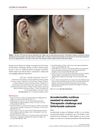
June 2008 in “Journal of the European Academy of Dermatology and Venereology” A man with Acrodermatitis continua did not get better with etanercept treatment, and his condition worsened, suggesting treatment effectiveness may vary by genetics and race.
 April 2017 in “Journal of Investigative Dermatology”
 A boy with Oculodentodigital syndrome had a unique GJA1 gene mutation causing his symptoms.
 4 citations
,
September 2012 in “Journal of dermatological science”
4 citations
,
September 2012 in “Journal of dermatological science” The hair follicle's connective tissue is a key source of a certain collagen in human scalp skin.
14 citations
,
February 2008 in “Stem Cells and Development” Seven genes are highly expressed in both germ-line and hematopoietic stem cells.
 December 1998 in “Acta Crystallographica Section C-crystal Structure Communications”
 A new compound with strong antiandrogenic effects was found, potentially useful for treating conditions like acne and prostate cancer.
8 citations
,
March 2007 in “International Journal of Cosmetic Science” 6-O glucose linoleate helps human hair grow and produce lipids.
September 2025 in “OPAL (Open@LaTrobe) (La Trobe University)” 7DHC and BM15766 damage hair follicle structure and reduce key gene expression.
 6 citations
,
October 2014 in “Experimental Dermatology”
6 citations
,
October 2014 in “Experimental Dermatology” Prostaglandins and the enzyme AKR1C3 could play a role in skin cancer and hair loss, and further research is needed to understand these mechanisms.
52 citations
,
May 1997 in “Journal of Biological Chemistry” High ornithine decarboxylase levels may lead to hair loss and cancer by increasing CK2 activity in the nucleus.
 20 citations
,
May 2013 in “International Journal of Molecular Medicine”
20 citations
,
May 2013 in “International Journal of Molecular Medicine” Researchers found a new gene variant linked to a rare bone disease, which doesn't always cause symptoms in carriers.
November 2025 in “Journal of Investigative Dermatology” Genetic variants in specific genes cause central centrifugal cicatricial alopecia.
 October 2023 in “Case reports in dermatological medicine”
 A Jordanian family with Clouston syndrome has a common GJB6 gene mutation.
15 citations
,
May 1987 in “Fundamental and applied toxicology” SMR-2 and SMR-6 are much more toxic than retinoic acid, causing severe side effects.
36 citations
,
September 1999 in “Journal of Cell Science” Basonuclin may help control ribosomal RNA gene activity in skin cells.
31 citations
,
October 1992 in “PubMed” A mycobacterial protein shares a similar region with a human skin protein, possibly affecting skin diseases.
April 2024 in “Anais Brasileiros de Dermatologia”  August 2013 in “Gastroenterology”
 A 60-year-old man with Cronkhite-Canada syndrome improved with treatment, but the condition has a high mortality rate and a risk of colorectal cancer.
 August 2024 in “Skin Research and Technology”
 Omega-6 and LDL cholesterol increase the risk of hair loss.
14 citations
,
November 2019 in “Mediators of inflammation” IL-6 from stem cells helps repair skin and grow hair.
13 citations
,
June 2017 in “Biochimie open” All five human steroid 5α-reductase enzymes are found in the endoplasmic reticulum.
 January 2014 in “Progress of Digestive Endoscopy”
 Prednisolone improved symptoms in a woman with Cronkhite-Canada syndrome, but regular screenings are needed due to cancer risk.
January 2016 in “DOAJ (DOAJ: Directory of Open Access Journals)” Collagen XVII is important for cell functions and its absence can worsen cancer outcomes.