63 citations
,
March 2018 in “Experimental Dermatology” Collagen XVII is vital for skin structure, hair stem cell support, and skin cell regulation.
June 2026 in “Skin Appendage Disorders” Pili annulati may be more common than thought, so recognizing its features is important for diagnosis.
18 citations
,
July 2006 in “British Journal of Dermatology” Connexin 30 is usually absent in normal skin but can appear in certain skin conditions.
2 citations
,
October 2024 in “Artificial Cells Nanomedicine and Biotechnology” Greenly synthesized silver nanoparticles from lentils show strong anticancer and antimicrobial effects.
 14 citations
,
July 2012 in “Journal of the American Academy of Dermatology”
14 citations
,
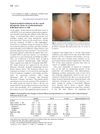
July 2012 in “Journal of the American Academy of Dermatology” Topical tacalcitol ointment can help improve symptoms of EFFC.
 1 citations
,
January 2022 in “Research Square (Research Square)”
1 citations
,
January 2022 in “Research Square (Research Square)” CRISPR/Cas9 editing in spinach affects root hair growth by altering specific genes.
1 citations
,
March 2022 in “Frontiers in Medicine” Regular endoscopic checks are crucial for Cronkhite-Canada syndrome patients to catch potential cancers early.
80 citations
,
June 1997 in “The American Journal of Human Genetics” March 2010 in “European Journal of Cancer Supplements” 43 citations
,
September 2001 in “Annals of Neurology” Hair root analysis can effectively detect somatic mosaicism in double cortex syndrome.
 May 2026 in “International Journal of Drug Delivery Technology”
 Accurate diagnosis of EFFC is crucial for effective counseling and cosmetic care.
April 2023 in “International journal of molecular sciences” People with Collagen VI-related myopathies may often have hair loss and scalp issues.
 November 2022 in “Journal of Investigative Dermatology”
 Most Recessive Dystrophic Epidermolysis Bullosa patients with a specific mutation likely have Sephardic ancestry from about 500 years ago.
 1 citations
,
March 2022 in “IntechOpen eBooks”
1 citations
,
March 2022 in “IntechOpen eBooks” Collagen is crucial for health and treating certain diseases, and supplements can improve skin, nails, and hair conditions.
Human hair follicle stem cells can be enriched by sticking to type IV collagen.
 13 citations
,
June 2010 in “Journal of The American Academy of Dermatology”
13 citations
,
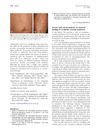
June 2010 in “Journal of The American Academy of Dermatology” A man with Cronkhite-Canada syndrome had all 20 nails detach but improved with treatment.
 33 citations
,
September 1961 in “Archives of Dermatology”
33 citations
,
September 1961 in “Archives of Dermatology” Colchicine causes rapid hair loss by damaging hair follicles.
 3 citations
,
March 2022 in “International Journal of Trichology”
3 citations
,
March 2022 in “International Journal of Trichology” Special supplements with collagen, vitamins, and minerals can help treat hair loss.
 1 citations
,
April 2019 in “Journal of Investigative Dermatology”
1 citations
,
April 2019 in “Journal of Investigative Dermatology” VB1953 gel significantly reduced acne and resistant bacteria in patients who didn't respond to clindamycin.
September 2021 in “Journal of the American Academy of Dermatology” CTCL patients can safely continue treatment during COVID-19 with proper safety measures.
 9 citations
,
January 2013 in “Case reports in emergency medicine”
9 citations
,
January 2013 in “Case reports in emergency medicine” Eating Citrullus colocynthis can cause severe intestinal bleeding and damage.
July 2025 in “Journal of Investigative Dermatology” September 2024 in “Journal of the American Academy of Dermatology” Early intervention is important for limited systemic sclerosis patients due to higher pain and ulceration risks.
3 citations
,
August 2017 in “Clinical case reports” A rare skin condition causes red and dark patches on the face and limbs.
September 2017 in “Journal of Investigative Dermatology” Loss of COL17A1 causes hair follicle stem cells to age and leads to hair loss.
11 citations
,
May 2008 in “British journal of dermatology/British journal of dermatology, Supplement” Identical p53 gene mutations in different cancers suggest the need for careful treatment.
November 2025 in “Indian Dermatology Online Journal” Clouston syndrome can lead to skin cancer, so monitoring is crucial.
November 2016 in “The Molecular Biology Society of Japan” 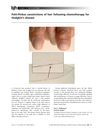 8 citations
,
February 2005 in “British Journal of Haematology”
8 citations
,
February 2005 in “British Journal of Haematology” Chemotherapy caused the patient's hair to have alternating thick and thin segments.
 January 2019 in “Journal of Pharmacognosy and Phytochemistry”
 The methanolic fruit extract of Citrullus colocynthis contains bioactive compounds that may support its use in traditional medicine and drug development.