 August 2024 in “Journal of the Korean Society of Cosmetology”
 Wild peach leaf extract improves hair strength, thickness, and shine after dyeing.

A natural, eco-friendly treatment using casein and tannic acid strengthens hair by 21% while keeping it elastic.
18 citations
,
January 1965 in “Stain Technology” 46 citations
,
April 2020 in “Clinical Cosmetic and Investigational Dermatology” Hydroquinone may harm skin, while kojic acid and aloe vera could reduce its negative effects.
Normal cells stain well with fluorescent globulin, but tumor cells do not.
 August 2018 in “Journal of the American Academy of Dermatology”
 A new cosmetic cream reduced facial redness and skin temperature after 4 weeks of use.
 2 citations
,
January 2002
2 citations
,
January 2002 Melanin and melanocytes contribute to the brown pigmentation in stasis dermatitis.
4 citations
,
January 2010 in “Elsevier eBooks” Natural ingredients are seen as safe and effective in cosmetics, and plant tissue culture is becoming key for ingredient supply.
25 citations
,
October 1985 in “Archives of Ophthalmology” The pigment in black eyeliner can spread in the skin and may cause permanent eyelash loss.
 60 citations
,
January 2004 in “The journal of investigative dermatology/Journal of investigative dermatology”
60 citations
,
January 2004 in “The journal of investigative dermatology/Journal of investigative dermatology” Applying a specific inhibitor lightens skin and hair color.
7 citations
,
January 1995 Silicone pretreatment protects hair from damage and reduces color fading without interfering with bleaching or dyeing.
 12 citations
,
June 2010 in “Journal of dermatology”
12 citations
,
June 2010 in “Journal of dermatology” Some patients with severe alopecia areata developed skin darkening from their treatment, which may indicate a less effective response to the therapy.
 December 2025 in “Scientific Reports”
 α-Mangostin can naturally lighten skin by reducing melanin.
Accurate prediction of eye, hair, and skin color in Latin American populations requires region-specific models and ethical guidelines.
6 citations
,
August 1937 in “Journal of the Society of Chemical Industry” 12 citations
,
October 2007 in “PubMed” Keratin helps protect and strengthen hair, reducing damage and color fading.

research Hair
1 citations
,
April 2023 in “Elsevier eBooks” Hair analysis can detect drug use but is costly and interpretation is complex.
27 citations
,
February 2003 in “Cell and Tissue Research” FM dyes effectively stain Merkel cells for long-term observation.
6 citations
,
January 2018 in “Asian Journal of Pharmaceutical and Clinical Research” Thai purple rice bran-based cosmetics are rich in antioxidants and stable, but need refinement for better market quality.
 1 citations
,
March 2017 in “Archives of Plastic Surgery”
1 citations
,
March 2017 in “Archives of Plastic Surgery” A new method using gentian violet dye makes it easier to see and work with white hair in hair transplant surgeries.
 May 2025 in “Afyon Kocatepe University Journal of Sciences and Engineering”
 The treatment process effectively removes many pollutants from cosmetics wastewater, but more research is needed to improve it.
3 citations
,
May 1964 in “Nature” 5 citations
,
July 2022 in “PubMed” Hair dyes, shampoos, and conditioners often cause scalp allergies due to common allergens like p-phenylenediamine and nickel.
5 citations
,
August 2014 in “Dermatologic surgery” Advanced fluorescence technology effectively treats skin discoloration from certain creams.
Natural adsorbents in cosmetics can significantly reduce skin and hair pollution.
 12 citations
,
January 2007 in “Acta dermato-venereologica”
12 citations
,
January 2007 in “Acta dermato-venereologica” Europe needs a clear system to watch over cosmetics for safety and to make sure product claims are true.
 2 citations
,
March 2018 in “The Journal of Dermatology”
2 citations
,
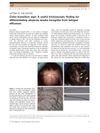
March 2018 in “The Journal of Dermatology” The "color-transition sign" helps tell apart alopecia areata incognita from telogen effluvium by looking at hair color changes.
 3 citations
,
April 2021 in “Chemical & Pharmaceutical Bulletin”
3 citations
,
April 2021 in “Chemical & Pharmaceutical Bulletin” Extracts from the Calanthe discolor plant promote hair follicle growth and increase growth factor levels.
 November 2022 in “The journal of investigative dermatology/Journal of investigative dermatology”
 The study found markers indicating that cells responsible for hair color are differentiating in specific areas of the hair follicle.
20 citations
,
December 1995 in “Veterinary Dermatology” Yorkshire Terriers with Colour Dilution Alopecia have reduced melanin and hair structure issues.