24 citations
,
February 2007 in “Laser Physics Letters” Caffeine shampoo penetrates hair follicles deeply and stays for up to 48 hours.
 November 2025 in “Journal of Pharmacognosy and Phytochemistry”
 The flaxshine hair mask effectively conditions hair using natural ingredients.
45 citations
,
February 2002 in “International Journal of Cosmetic Science” Ceramide helps protect African–American hair from breakage.
 January 2026 in “Frontiers in Medicine”
 PP-PTKL may help treat hair greying, but more testing is needed.
 4 citations
,
March 2020 in “Cutaneous and ocular toxicology”
4 citations
,
March 2020 in “Cutaneous and ocular toxicology” Wen by Chaz Dean Sweet Almond Mint Cleansing Conditioner is better tolerated than salicylic acid and baby shampoos.
 64 citations
,
July 2011 in “Dermatologic Therapy”
64 citations
,
July 2011 in “Dermatologic Therapy” Scalp cooling can prevent chemotherapy-induced hair loss, and certain treatments can speed up hair regrowth, but more research is needed for better treatments.
4 citations
,
October 2018 in “Skin appendage disorders” Co-washing is gentler on hair but can cause residue buildup.
October 2019 in “Research Square (Research Square)” YH0618 granules may help prevent hair loss in breast cancer patients undergoing chemotherapy.
 11 citations
,
June 1996 in “Nutrition”
11 citations
,
June 1996 in “Nutrition” Vitamin D3 may prevent hair loss from chemotherapy, but side effects and cancer cell protection are concerns.
 3 citations
,
July 2019 in “Journal of Cosmetic Dermatology”
3 citations
,
July 2019 in “Journal of Cosmetic Dermatology” New shampoo with tyramine hydrochloride reduces hair loss by making a small muscle in the hair follicle contract.
 5 citations
,
January 2015 in “Skin appendage disorders”
5 citations
,
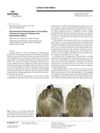
January 2015 in “Skin appendage disorders” Colored hair-thickening fibers can help hide hair loss in some people with Epidermolysis Bullosa but may cause scalp irritation.
 May 2024 in “Jurnal Lmu Farmasi dan Kesehatan/”
 A 2% celery leaf extract shampoo is best for hair growth.
11 citations
,
October 2020 in “PLoS ONE” Cooling can protect hair follicles from chemotherapy damage by reducing drug uptake.
 January 2015 in “Springer eBooks”
 Hair damage shows as fragility, dullness, and discoloration, varies by ethnicity, and is worsened by cosmetic procedures and diseases.
4 citations
,
June 1980 in “American Journal of Clinical Nutrition” Malnutrition can change hair color due to altered copper and zinc levels.
 2 citations
,
April 2008 in “Journal of Dispersion Science and Technology”
2 citations
,
April 2008 in “Journal of Dispersion Science and Technology” Shampoos with more than 0.6% of cationic minoxidil particles can promote hair growth.
 October 2022 in “Journal of the American Academy of Dermatology”
 "Clean" shampoos use fewer allergenic preservatives than traditional ones but still contain fragrances, and their actual risk of causing skin reactions is unclear.
59 citations
,
March 2003 in “The Lancet” Imatinib can repigment grey hair, while SU11428 can cause temporary hair depigmentation.
 March 2017 in “International journal of current advanced research”
 Medicated shampoos can help reduce hair loss associated with dandruff.

Hair product allergies are common, especially to hair dyes, and hairdressers are at higher risk.
 1 citations
,
August 2021 in “International journal of cosmetic science (Print)”
1 citations
,
August 2021 in “International journal of cosmetic science (Print)” Using piroctone olamine on the scalp helps reduce hair loss and improves scalp health.
12 citations
,
November 2004 in “Photochemistry and Photobiology” Superoxide dismutase (SOD) can prevent hair graying in mice.
 98 citations
,
November 2002 in “Contact Dermatitis”
98 citations
,
November 2002 in “Contact Dermatitis” Many people had severe allergic reactions to a common hair dye ingredient, causing them to seek medical care and miss work.
1 citations
,
February 2003 UV radiation causes significant protein loss and color changes in hair, especially blond hair.
10 citations
,
December 2020 in “Dermatitis” Ethnic hair products contain different allergens than nonethnic ones, with fragrance being the most common in ethnic products.
August 1985 in “Proceedings ... annual meeting, Electron Microscopy Society of America/Proceedings, annual meeting, Electron Microscopy Society of America” Hair dye can damage dog hair and cause health issues.
 April 2024 in “International Research Journal Of Modernization In Engineering Technology And Science”
 Herbal shampoos are effective, non-toxic alternatives for treating dandruff and hair fall.
 21 citations
,
January 1995 in “Journal of the American Institute for Conservation”
21 citations
,
January 1995 in “Journal of the American Institute for Conservation” A new method extracts red dyes from wool without damaging it, although it slightly weakens the wool.
1 citations
,
June 2021 in “Preprints.org” Hair relaxers and straighteners can be toxic to skin cells.
 April 2025 in “International Journal of Ayurveda and Pharma Research”
 Ayurvedic treatment can reverse premature graying and improve hair health.