 January 2022 in “Sustainable development goals series”
 The document concludes that significant investment in agricultural innovation is necessary to achieve global food security and nutrition.
October 2012 in “Zhongguo shengwu gongcheng zazhi” Effective DNA extraction from hair shafts is crucial for genetic studies.
September 2001 in “Emergency Medicine News” Hair testing is effective for detecting long-term drug use.
March 2023 in “Anais Brasileiros De Dermatologia” Topical minoxidil is the best-supported treatment for female hair loss, but personalized plans are needed.
126 citations
,
August 2018 in “Molecular Systems Biology” Fibroblast state switching is crucial for skin healing and development.
92 citations
,
December 2020 in “Brain Sciences” Indian herbs like Bacopa monnieri and Centella asiatica may help memory, but more research is needed.
81 citations
,
December 2007 in “Acta materialia” AFM helped show how hair changes under tension and the effects of damage and conditioner.
73 citations
,
April 2017 in “Scientific Reports” Nitrogen starvation in microalgae increases lipid production, making it a potential biofuel source.
65 citations
,
March 2022 in “Molecules” Nanocarriers can enhance cosmetics but face regulatory and safety challenges.
25 citations
,
March 2024 in “Sustainability” Using food industry waste and fermentation can create sustainable cosmetics.
21 citations
,
March 2023 in “Journal of Crohn s and Colitis” Microvascular damage and platelet issues persist in ulcerative colitis remission, helping assess disease states.
20 citations
,
December 2012 in “Journal of molecular structure” The study found that thioglycolic acid breaks down hair bonds more consistently than l-cysteine, which is less damaging to hair.
 13 citations
,
April 2018 in “Scientific Reports”
13 citations
,
April 2018 in “Scientific Reports” The genes KRT25 and SP6 affect curly hair in horses, with KRT25 also causing hair loss. If both genes are mutated, the horse gets curly hair and hair loss. KRT25 can hide the effect of SP6.
12 citations
,
March 2019 in “Cosmetics” The oral supplement with Pinus pinaster and Grape seed extract, used with sunscreen, effectively and safely improved mild-to-moderate facial melasma.
10 citations
,
June 2019 in “Journal of the European Academy of Dermatology and Venereology” The document emphasizes standardized, comprehensive training for dermatology and venereology specialists across Europe.
9 citations
,
July 2022 in “Journal of Cosmetic Dermatology” The ammonia-free hair dye is safe and improves hair shine, color, moisture, porosity, and combability.
7 citations
,
October 2019 in “Frontiers in bioengineering and biotechnology” Fusion proteins can protect hair from heat damage.
4 citations
,
November 2024 in “Anais Brasileiros de Dermatologia” Various factors like genetics, pollution, and lifestyle choices can damage hair over time.
 August 2026 in “Journal of Genome Biotechnology and Genetics”
 Human pigmentation is influenced by many genetic and environmental factors, affecting traits like skin, hair, and eye color, with implications for health and forensic applications.
 July 2026 in “Preprints.org”
 A cysteamine-derived compound helps hair stay straight in high humidity.
September 2025 in “Cosmetics” Lipid content and structure affect water absorption in different hair types.
July 2025 in “International Journal of Trichology” Telogen effluvium is a common hair loss condition requiring careful diagnosis and treatment.
 January 2025 in “Journal of Cutaneous and Aesthetic Surgery”
 Low-level laser therapy effectively improves hair growth in androgenetic alopecia with minimal side effects.
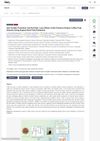
Arabica coffee pulp extract may help prevent hair loss and promote hair growth.
December 2021 in “Cosmetics”  September 2024 in “International Journal of Molecular Sciences”
 High doses of testosterone disrupt hormone levels and receptor expression in the uterus, affecting fertility.

Hair coloring and bleaching can permanently break down hair protein and temporarily change its properties.
 72 citations
,
July 2003 in “Journal of cosmetic dermatology”
72 citations
,
July 2003 in “Journal of cosmetic dermatology” Frequent hair coloring and styling can damage hair and cause breakage or loss.
1 citations
,
April 2013 in “Pakistan Journal of Biological Sciences” Hair coloring, waving, and ironing cause more hair damage than not using these treatments.
1 citations
,
September 2008 in “International Journal of Cosmetic Science” Using chelants in hair dye reduces fiber damage by preventing harmful radicals.