1 citations
,
July 2025 in “Journal of the National Medical Association” Alopecia areata patients often face mental health issues like anxiety and depression.
July 2026 in “Journal of Reproductive and Infant Psychology” Postpartum mothers need better support and guidance to improve body confidence and wellbeing.
 July 2026 in “Quality in Sport”
 Athletes may experience reduced effectiveness of aesthetic treatments due to high metabolism and stress, and often have body image disorders.
 January 2026 in “Indian Journal of Dermatopathology and Diagnostic Dermatology”
 Corkscrew hairs can help diagnose trichotillomania.
October 2025 in “Journal of the European Academy of Dermatology and Venereology” People often have negative attitudes towards facial skin conditions, with vitiligo seen most positively and psoriasis viewed most negatively.
Hair prostheses are important for people with significant hair loss.
 January 2023 in “Frontiers research topics”
 Skin conditions can cause significant psychological distress, so addressing mental health is crucial for improving quality of life.
January 2022 in “Clinical Cases in Dermatology” The girl's hair loss is due to trichotillomania, which may improve with behavioral therapy or a combination of treatments.
 January 2019 in “Elsevier eBooks”
 Different hair disorders have specific treatments and outcomes, with some resolving on their own and others requiring medication or emotional support.
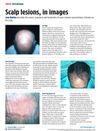 January 2015 in “Independent Nurse”
 Different scalp conditions can lead to hair loss or tumors, with treatments varying from creams to surgery; early detection is crucial.
January 2015 in “Elsevier eBooks” Targeting the endocannabinoid system might help reduce hair pulling in trichotillomania.
 May 2012 in “The journal of nervous and mental disease”
 The book provides comprehensive information on Impulse Control Disorders but lacks definitive evidence for effective treatments.
 41 citations
,
March 1992 in “Archives of Dermatology”
41 citations
,
March 1992 in “Archives of Dermatology” The review suggests that understanding and treating the psychological aspect of skin disorders is important and calls for more collaboration in this field.
 1 citations
,
January 2014 in “Progress in Neurology and Psychiatry”
1 citations
,
January 2014 in “Progress in Neurology and Psychiatry” Skin diseases can cause psychological issues, and better integration of dermatology and psychiatry is needed to improve patient care.
March 1999 in “Annals of the Academy of Medicine Singapore” Trichotillomania is a chronic condition where people uncontrollably pull out their hair, often needing medication and therapy for treatment.
19 citations
,
March 1999 in “PubMed” Trichotillomania is a chronic condition where people uncontrollably pull out their hair, often starting in childhood.
January 1999 in “대한피부과학회지” Trichotillomania is more common in young females and often linked to stress and psychiatric conditions, with hair loss and increased catagen hair observed.
Malnourished people have weaker hair that is easier to pluck.
 3 citations
,
December 2001 in “Irish Journal of Psychological Medicine”
3 citations
,
December 2001 in “Irish Journal of Psychological Medicine” Trichotillomania is a challenging-to-treat impulse-control disorder where individuals pull out their hair, more common in females, with some treatments showing benefits.
 417 citations
,
March 1991 in “American Journal of Psychiatry”
417 citations
,
March 1991 in “American Journal of Psychiatry” Most adult chronic hair pullers are women who started in their early teens, often have other mental health issues, and may pull hair due to underlying psychiatric conditions.
17 citations
,
October 1981 in “American Journal of Clinical Nutrition” Malnourished people have weaker hair that is easier to pluck.
84 citations
,
October 2005 in “Annals of Clinical Psychiatry” Hairpulling, skin picking, and nail biting cause significant harm and need more research for better treatments.
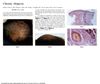 June 1995 in “Archives of Dermatology”
 A woman's hair loss was due to trichotillomania, which is often misdiagnosed and can require different treatments based on age and underlying conditions.
April 2016 in “Apollo (University of Cambridge)” Trichotillomania is a hair-pulling disorder needing different treatments than OCD.
17 citations
,
August 2018 in “Clinics in Dermatology” Skin and hair-picking disorders are common and need both skin and mental health treatments.
 2 citations
,
July 2005 in “Baylor University Medical Center Proceedings”
2 citations
,
July 2005 in “Baylor University Medical Center Proceedings” A 4-year-old girl was diagnosed with trichotillomania, a condition where she pulls out her hair, which may resolve on its own or require therapy.
 7 citations
,
June 1967 in “Journal of Investigative Dermatology”
7 citations
,
June 1967 in “Journal of Investigative Dermatology” Plucking hairs in a certain way can result in intact hair roots, not related to baldness.
4 citations
,
January 2011 in “International Journal of Trichology” Treating scalp issues in hair-pulling disorder helps hair regrow and reduces itch.
2 citations
,
May 2022 in “International journal of trichology” Plica neuropathica is a tangled hair condition that may be caused by hair damage or psychiatric issues and is treated by cutting the hair and addressing mental health.
February 2025 in “International Journal of Clinical & Experimental Dermatology” Trichotillomania in children is a sign of emotional distress needing tailored treatment and family support.