 4 citations
,
May 2021 in “Dermatologic Clinics”
4 citations
,
May 2021 in “Dermatologic Clinics” The conclusion is that hair loss in women is caused by a mix of hormonal, environmental, and genetic factors, and treatments should target these various causes.
 1 citations
,
October 2000 in “Pediatrics in Review”
1 citations
,
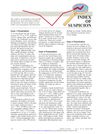
October 2000 in “Pediatrics in Review” The document says that hookworms are treated with mebendazole and stress-related hair loss usually gets better in 6 months, while other hair loss types have specific treatments.
 January 2021 in “Journal of Pakistan Association of Dermatology”
 COVID-19 recovery can lead to temporary hair loss called telogen effluvium.
 February 2008 in “Experimental dermatology”
 Oxidative stress plays a significant role in vitiligo, and both skin and non-skin cells may be involved.
22 citations
,
May 2019 in “Animals” High hair cortisol levels indicate stress in cows due to poor shelter conditions and health issues.
24 citations
,
October 2012 in “The International Journal of Biochemistry & Cell Biology” Testosterone protects female heart cells from stress by activating estrogen receptors.
 9 citations
,
January 2017 in “International Journal of Trichology”
9 citations
,
January 2017 in “International Journal of Trichology” The study suggests that mast cells might be involved in the hair loss condition telogen effluvium and could be a target for treatment.
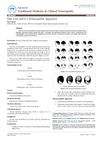 January 2017 in “Journal of traditional medicine & clinical naturopathy”
 Combining trichology and homeopathy is effective for diagnosing and treating hair loss.
 September 2013 in “Molecular Biology”
 The document suggests that activating autophagy might help with regeneration by removing old and damaged cells.
 3 citations
,
July 2018 in “Journal of Oral and Maxillofacial Surgery”
3 citations
,
July 2018 in “Journal of Oral and Maxillofacial Surgery” Hair loss can occur after oral surgery, likely due to stress and pressure on the scalp, and usually gets better on its own.

Hypoxic preconditioning helps human hair follicle stem cells survive oxidative stress.
5 citations
,
August 2024 in “Skin Research and Technology” KLB and EIF3C genes are key for early diagnosis of vitiligo and alopecia areata.
 2 citations
,
October 2022 in “Journal of Biomedical Science”
2 citations
,
October 2022 in “Journal of Biomedical Science” Stem cells and their secretions could potentially treat stress-induced hair loss, but more human trials are needed.
 January 2011 in “Medicina interna de México”
 The document concludes that treating the underlying causes of telogen effluvium usually results in hair regrowth.
 April 2026 in “Journal of Pharmaceutical Investigation”
 Nanotechnology could improve treatment for scars and atopic dermatitis by targeting skin issues more effectively.
 September 2025 in “Cosmoderma”
 Pandemic stress worsens hair loss and skin issues, suggesting combined mental and skin care treatments.
 92 citations
,
May 2014 in “The American Journal of Medicine”
92 citations
,
May 2014 in “The American Journal of Medicine” The conclusion is that early diagnosis and a multi-system treatment approach are crucial for managing PCOS and its associated health risks.
 6 citations
,
January 2021 in “Journal of Cosmetic Dermatology”
6 citations
,
January 2021 in “Journal of Cosmetic Dermatology” Poor sleep during the pandemic may increase stress and worsen hair loss conditions.
 February 2026 in “International Research Journal of Modernization in Engineering Technology and Science”
 Protect lips from aging with sunscreen, repair barriers, and boost collagen.
June 2025 in “Cell Metabolism” Serine is vital for hair follicle stem cells to balance hair growth and skin repair.

Human hair keratins can self-assemble and support cell growth, useful for biomedical applications.
 January 2015 in “Springer eBooks”
 Hair health is influenced by genetics, aging, and environmental factors, with proper care needed to maintain it.
 April 2017 in “Journal of Investigative Dermatology”
 The PON1 192R gene variant is linked to a higher risk of psoriasis and heart disease in Western Mexico.
 August 2016 in “The journal of investigative dermatology/Journal of investigative dermatology”
 The hexosamine pathway helps protect skin cells from stress and may improve skin and hair health.
 2 citations
,
August 2020 in “Clinical, Cosmetic and Investigational Dermatology”
2 citations
,
August 2020 in “Clinical, Cosmetic and Investigational Dermatology” The hair-growth formula with L-cystine helps protect and grow hair cells.
 22 citations
,
November 2007 in “Journal of Investigative Dermatology Symposium Proceedings”
22 citations
,
November 2007 in “Journal of Investigative Dermatology Symposium Proceedings” Hair growth and health are influenced by stress and hormones.
 6 citations
,
May 1993 in “Archives of Disease in Childhood”
6 citations
,
May 1993 in “Archives of Disease in Childhood” Children's hair loss can be caused by many factors, including autoimmune diseases, emotional stress, genetics, and infections, with treatment and prognosis varying.
4 citations
,
June 2025 in “JMIR Formative Research” Hair cortisol concentration may reflect some physiological stress but doesn't strongly correlate with perceived stress.
 191 citations
,
May 2018 in “British journal of dermatology/British journal of dermatology, Supplement”
191 citations
,
May 2018 in “British journal of dermatology/British journal of dermatology, Supplement” Alopecia areata is likely an autoimmune disease with unclear triggers, involving various immune cells and molecules, and currently has no cure.
August 2025 in “Nanomaterials” Tea polyphenol–zinc helps protect the liver and intestines from oxidative stress.