 March 2012 in “Journal of Pediatric and Adolescent Gynecology”
 Androgen levels do not determine the type of PCOS symptoms in young females.
 March 2012 in “Journal of Pediatric and Adolescent Gynecology”
 Teens with PCOS have a higher risk of type 2 diabetes and need regular glucose checks.
 October 2010 in “Reproductive Biomedicine Online”
 A new method can almost perfectly distinguish adenomyosis from similar conditions using blood tests.
 June 2008 in “British Journal of Dermatology”
 Herpes gestationis is linked to certain antigens, atopic eczema affects T cell populations and may be eased by breastfeeding, higher doses of anti-androgen treatment can improve androgenic alopecia, topical minoxidil increases hair thickness, long-term methotrexate therapy can cause liver fibrosis in psoriasis patients, and Lichen Sclerosus et Atrophicus patients aren't at higher risk for autoimmune disorders.
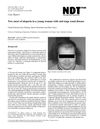
A young woman with kidney failure had hair loss due to a common hormonal disorder, which improved with hormone therapy.
 January 2007 in “Yearbook of Dermatology and Dermatologic Surgery”
 Intramuscular triamcinolone and pulse therapy with oral predonine are effective for alopecia areata with manageable side effects, but better relapse prevention is needed.
 October 2004 in “Australian Prescriber”
 Lifestyle changes are more effective than metformin for reducing type 2 diabetes risk.
 October 2004 in “Australian Prescriber”
 Lifestyle changes are more effective than metformin in reducing type 2 diabetes risk in women with PCOS.
 October 2004 in “Australian Prescriber”
 Lifestyle changes are more effective than medication for reducing type 2 diabetes risk.
 October 2004 in “Australian Prescriber”
 Lifestyle changes are more effective than metformin for reducing type 2 diabetes risk.
 October 2004 in “Australian Prescriber”
 Lifestyle changes are more effective than medication for reducing type 2 diabetes risk.
 October 2004 in “Australian Prescriber”
 Lifestyle changes are more effective than medication for reducing type 2 diabetes risk.
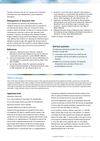 October 2004 in “Australian Prescriber”
 Lifestyle changes are more effective than medication for managing PCOS-related risks.
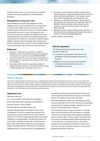 October 2004 in “Australian Prescriber”
 Agalsidase alfa helps treat Fabry's disease but needs more research for long-term benefits.
 January 2001 in “Clinical and Experimental Dermatology”
 A test for nail fungus was most accurate with PAS stain, low-dose spironolactone helped two-thirds of acne patients, metformin reduced symptoms of HIV-related fat distribution changes with some side effects, and skin examination with dermoscopy was better at detecting abnormal moles, while temporary tattoos can cause skin reactions.
 November 1995 in “Journal of Pediatric Health Care”
 Most hair loss in kids and teens is due to common conditions, and hair usually grows back within 6 months.
 August 1994 in “Drugs & Therapy Perspectives”
 Some drugs can cause hair loss or growth, but hair usually returns to normal after stopping the drug.
 August 1984 in “Australasian Journal of Dermatology”
 The first book is useful for specialized dermatologists but not for common issues, while the second book is good for medical students despite some errors.
 September 1983 in “Journal of The American Academy of Dermatology”
 Experts discussed hair care, genetic hair defects, hair loss treatments, nail surgery, lupus treatments, skin infections, and cosmetic allergies.
 4809 citations
,
January 2004 in “Fertility and Sterility”
4809 citations
,
January 2004 in “Fertility and Sterility” The 2003 consensus updated PCOS diagnosis criteria and highlighted increased risks of diabetes and heart disease for those affected.
 4025 citations
,
December 2003 in “Human Reproduction”
4025 citations
,
December 2003 in “Human Reproduction” The 2003 consensus updated PCOS diagnosis criteria and linked PCOS to higher risks of diabetes and heart problems, recommending lifestyle changes to lower these risks.
 2295 citations
,
August 2012 in “The international journal of transgenderism/International journal of transgenderism”
2295 citations
,
August 2012 in “The international journal of transgenderism/International journal of transgenderism” The guidelines recommend informed consent for gender-affirming treatments and stress the importance of personalized, culturally sensitive care for transgender individuals.
 1540 citations
,
October 2008 in “Fertility and Sterility”
1540 citations
,
October 2008 in “Fertility and Sterility” The report concludes that PCOS is mainly a condition of excess male hormones and its definition may change as new information is discovered.
 991 citations
,
January 2011 in “Nature Reviews Endocrinology”
991 citations
,
January 2011 in “Nature Reviews Endocrinology” The document concludes that PCOS is a complex disorder caused by both genetic and environmental factors, affecting women's health in various ways, and requires personalized treatment.
 947 citations
,
February 2004 in “The Journal of Clinical Endocrinology and Metabolism”
947 citations
,
February 2004 in “The Journal of Clinical Endocrinology and Metabolism” Most women with excess male hormones have Polycystic Ovary Syndrome, and hormonal therapy can improve symptoms but may cause side effects.
 883 citations
,
August 2016 in “Nature Reviews Disease Primers”
883 citations
,
August 2016 in “Nature Reviews Disease Primers” Polycystic Ovary Syndrome (PCOS) is a common condition in women that can cause metabolic, reproductive, and psychological issues, and requires lifestyle changes and medication for management.
 855 citations
,
June 2009 in “The Journal of Clinical Endocrinology & Metabolism”
855 citations
,
June 2009 in “The Journal of Clinical Endocrinology & Metabolism” The guideline recommends mental health involvement in diagnosing gender identity disorder and outlines hormone and surgical treatment protocols, emphasizing safety, informed consent, and long-term monitoring.
 815 citations
,
April 2010 in “The Journal of Clinical Endocrinology & Metabolism”
815 citations
,
April 2010 in “The Journal of Clinical Endocrinology & Metabolism” Women with PCOS should be screened for heart disease risk and manage their health to prevent it.
 658 citations
,
June 2003 in “Endocrine reviews”
658 citations
,
June 2003 in “Endocrine reviews” Male hormones may play a role in the development of heart disease, and more research is needed to understand their effects.
 441 citations
,
May 2008 in “British Journal of Pharmacology”
441 citations
,
May 2008 in “British Journal of Pharmacology” Anabolic steroids can build muscle and strength but have risks and need more research on their clinical benefits and side effects.