 16 citations
,
January 2007 in “Journal of Obstetrics and Gynaecology”
16 citations
,
January 2007 in “Journal of Obstetrics and Gynaecology” The document suggests various treatments for PCOS, including medication for menstrual issues, insulin resistance, and excess hair, as well as fertility treatments, while highlighting the need for personalized care and lifestyle changes.
 15 citations
,
August 1998 in “Australasian journal of dermatology”
15 citations
,
August 1998 in “Australasian journal of dermatology” The document concludes that various cosmetic and drug treatments are available for hirsutism, and some new drugs show promise.
 14 citations
,
September 2017 in “Clinics in Dermatology”
14 citations
,
September 2017 in “Clinics in Dermatology” Skin diseases linked to insulin resistance should be managed to prevent diabetes and reduce heart disease risk.
 14 citations
,
September 2015 in “Expert Opinion on Therapeutic Targets”
14 citations
,
September 2015 in “Expert Opinion on Therapeutic Targets” The conclusion is that while oral contraceptive pills are effective for PCOS-related high androgen levels, new treatments with fewer side effects are needed.
 14 citations
,
November 2014 in “European journal of medicinal chemistry”
14 citations
,
November 2014 in “European journal of medicinal chemistry” Researchers found new potential treatments for conditions related to the androgen receptor, like male hormonal contraception, by testing thousands of compounds.
 13 citations
,
June 2018 in “Journal of Womens Health”
13 citations
,
June 2018 in “Journal of Womens Health” Combination therapy with oral contraceptives and spironolactone improves hair growth, menstrual issues, and acne in women with PCOS.
 13 citations
,
September 2011 in “American Journal of Clinical Dermatology”
13 citations
,
September 2011 in “American Journal of Clinical Dermatology” The oral contraceptive ethinylestradiol/chlormadinone acetate is effective in reducing acne and improving other skin conditions related to high androgen levels.
 13 citations
,
January 1995 in “Postgraduate medicine”
13 citations
,
January 1995 in “Postgraduate medicine” Excessive hair growth in women can be harmless or signal serious health issues, and treatment often includes medication and hair removal, with noticeable results after 3-6 months.
 12 citations
,
May 2017 in “Journal of Dermatological Treatment”
12 citations
,
May 2017 in “Journal of Dermatological Treatment” Adult acne severity is influenced by stress, skin sensitivity, makeup, stopping oral contraceptives, and requires female-specific treatment guidelines.
 12 citations
,
May 2017 in “Medicine”
12 citations
,
May 2017 in “Medicine” Oral isotretinoin was recommended for a 21-year-old woman with severe acne.
 11 citations
,
February 2013 in “Clinical Endocrinology”
11 citations
,
February 2013 in “Clinical Endocrinology” A small number of premenopausal female blood donors had high prolactin levels, often due to stress, and retesting is recommended to prevent misdiagnosis.
 11 citations
,
February 2008 in “British journal of nursing”
11 citations
,
February 2008 in “British journal of nursing” Idiopathic hirsutism causes excessive hair growth in women, can be treated with medication and hair removal, but cannot be fully reversed.
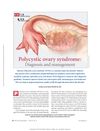 10 citations
,
January 2019 in “The Nurse Practitioner”
10 citations
,
January 2019 in “The Nurse Practitioner” PCOS is a common hormonal disorder in women, treated with lifestyle changes, medication, and patient education.
 10 citations
,
May 1995 in “Journal of General Internal Medicine”
10 citations
,
May 1995 in “Journal of General Internal Medicine” Most women with excessive hair growth have PCOS; treatment varies and focuses on preventing new hair, with electrolysis as the only permanent removal method.
 9 citations
,
April 2015 in “Dermatologic Therapy”
9 citations
,
April 2015 in “Dermatologic Therapy” Hormonal therapies, like flutamide and cyproterone acetate, are safe and effective for treating adult women's acne, especially those with hormone imbalance or resistant acne.
 9 citations
,
January 2015 in “Springer eBooks”
9 citations
,
January 2015 in “Springer eBooks” The document concludes that managing PCOS involves treating symptoms, regulating periods, and reducing health risks, with specific medications for fertility and metabolic issues.
 9 citations
,
January 1997 in “Gynecological Endocrinology”
9 citations
,
January 1997 in “Gynecological Endocrinology” The document concludes that treating androgen excess needs patience, managing expectations is important, and many drugs used are not officially approved, suggesting cosmetic options for mild cases.
 8 citations
,
May 1998 in “Journal of Oral and Maxillofacial Surgery”
8 citations
,
May 1998 in “Journal of Oral and Maxillofacial Surgery” Acne is caused by increased sebum, abnormal skin shedding, bacteria, and inflammation, not dirt; treatments vary from creams to antibiotics or isotretinoin, with severe cases needing a dermatologist's care.
 7 citations
,
September 2017 in “Pharmacoepidemiology and Drug Safety”
7 citations
,
September 2017 in “Pharmacoepidemiology and Drug Safety” The use of Diane-35 and its generics significantly decreased in the Netherlands.
 6 citations
,
July 2013 in “Acta Clinica Belgica”
6 citations
,
July 2013 in “Acta Clinica Belgica” The document concludes that combination therapy is most effective for treating excessive hair growth in women with idiopathic hirsutism, and more research is needed to understand the condition.
 5 citations
,
June 2015 in “International Journal of Women's Dermatology”
5 citations
,
June 2015 in “International Journal of Women's Dermatology” Hirsutism, excessive hair growth in women, is often caused by PCOS and can be managed with medication and personalized treatment plans.
 5 citations
,
June 2010 in “Endocrinología y Nutrición”
5 citations
,
June 2010 in “Endocrinología y Nutrición” Diagnosing and managing PCOS in teens is hard, but early diagnosis and lifestyle changes are key, and more research is needed for long-term health.
 4 citations
,
January 2019 in “Therapeutic Advances in Endocrinology and Metabolism”
4 citations
,
January 2019 in “Therapeutic Advances in Endocrinology and Metabolism” Medications for PCOS don't seem to raise heart disease risk.
 4 citations
,
June 2007 in “PubMed”
4 citations
,
June 2007 in “PubMed” Effective management of PCOS includes lifestyle changes, medication for menstrual regulation, fertility treatments, and cosmetic issue remedies.
 3 citations
,
April 2017 in “Clinical Drug Investigation”
3 citations
,
April 2017 in “Clinical Drug Investigation” The study found that prescribing patterns for Cyproterone Acetate/Ethinylestradiol in Italy did not significantly change after EMA recommendations.
 3 citations
,
February 2016 in “Endocrinology and Metabolism Clinics of North America”
3 citations
,
February 2016 in “Endocrinology and Metabolism Clinics of North America” Manage women's cholesterol with diet, exercise, and careful treatment choices, especially during pregnancy, PCOS, and menopause.
 2 citations
,
June 2022 in “International Journal of Biomedicine”
2 citations
,
June 2022 in “International Journal of Biomedicine” The review suggests a comprehensive approach to treat hirsutism, focusing on hair removal, medication, and managing emotional effects.
2 citations
,
November 2021 in “International Journal of Current Pharmaceutical Research” Diagnose and treat hirsutism with oral contraceptives and laser hair removal for best results.
 2 citations
,
January 2017 in “Cambridge University Press eBooks”
2 citations
,
January 2017 in “Cambridge University Press eBooks” Manage PCOS in primary care with weight loss, psychological support, medication, and monitoring for health risks.
 2 citations
,
January 2014 in “Springer eBooks”
2 citations
,
January 2014 in “Springer eBooks” Polycystic Ovary Syndrome (PCOS) often leads to severe acne, and lifestyle changes and hormonal treatments can help manage it.