 December 2023 in “International journal of statistics and probability”
 Blood type affects COVID-19 infection rates differently in Europe and Africa.
 October 2023 in “Biomedical science and engineering”
 Innovative methods are reducing animal testing and improving biomedical research.
 October 2023 in “bioRxiv (Cold Spring Harbor Laboratory)”
 Immune cells are essential for early hair and skin development and healing.
 August 2023 in “JOJ dermatology & cosmetics”
 Antibiotics often cause skin reactions, making them a major health concern.
 January 2023 in “Wiadomości Lekarskie”
 Local antibiotic therapy can effectively treat root canal infections.
 January 2023 in “Book of Abstracts”
 COVID-19 can cause different types of hair loss, with telogen effluvium being the most common.
 November 2022 in “Gigascience”
 A specific genetic deletion in goats affects cashmere yield and thickness.
 July 2022 in “International journal of KIU”
 Genetics influence opioid addiction risk, diet affects COVID-19 severity, Aerva lanata may harm kidneys, some plants fight fungi and cancer, and nursing students need better contraceptive knowledge.
 April 2022 in “JOURNAL OF RESEARCH AND REVIEW IN SCIENCE”
 African plants may help treat cancer by boosting immunity and protecting cells.

Human hair keratins can be turned into useful 3D biomedical scaffolds through a freeze-thaw process.
Ruxolitinib cream shows promise for vitiligo, and early melanoma diagnosis is crucial.
 January 2022 in “International Journal of Medical Research”
 Chemotherapy harms healthy cells, causing side effects like hair loss and reduced immunity.
 September 2021 in “Physiology News”
 Addressing underrepresentation in Parkinson's research is crucial for better treatments and understanding.
Men's skincare products with essential oils can improve skin health and may increase male interest in cosmetics.
 April 2021 in “JOJ dermatology & cosmetics”
 The combined laser and plasma jet therapy effectively regrew hair in a woman with alopecia areata.
 March 2021 in “bioRxiv (Cold Spring Harbor Laboratory)”
 A specific immune response helps control mite populations on the skin, maintaining healthy hair follicles.

Plant roots respond to fungus smells by possibly using certain proteins and a plant hormone to change root growth, but more research is needed.

The workshop promoted better medicine use and health practices through global collaboration.

The workshop successfully promoted better medicine use and international collaboration.
 October 2020 in “Veterinary Dermatology”
 New treatments and diagnostic methods for various animal skin conditions showed promising results.

Low-Level Light Therapy improves quality of life more for women than men with hair loss.
Wildebeest stress and hormone levels are influenced by food availability, human presence, and reproductive cycles.
 February 2019 in “Institutional Repositories DataBase (IRDB)”
 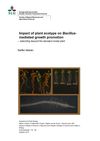 September 2018 in “Epsilon Archive for Student Projects (University of Southampton)”
 Bacillus amyloliquefaciens can boost root hair growth in some Arabidopsis plants, potentially improving agriculture.
 June 2017 in “Journal of clinical and investigative dermatology”
 Red blood cell folate levels are reliable indicators of long-term folate status in alopecia areata patients.
 August 2016 in “PolyPublie (École Polytechnique de Montréal)”
 Doxorubicin causes heart damage, so early detection and monitoring are important during chemotherapy.
Forensic hair analysis for drugs is now more reliable and accurate.
 January 2016 in “Research Explorer (The University of Manchester)”
 Activating the Eda/Edar pathway improves wound healing by enhancing hair follicle growth.
 January 2014 in “HAL (Le Centre pour la Communication Scientifique Directe)”
 Sex hormones affect dog skin conditions, but more data is needed.
 December 2013 in “Biomedical and biopharmaceutical research”
 Nanotechnology shows promise for better drug delivery and cancer treatment.