40 citations
,
July 1981 in “Journal of Neuropathology & Experimental Neurology” Copper injections improved symptoms and prevented brain damage in brindled mice.
23 citations
,
August 1975 in “Experimental Biology and Medicine” Copper supplements during pregnancy improve survival and development in mutant mice.
 June 2023 in “Research Square (Research Square)”
 Cupric citrate improves growth, nutrient use, and gut health in broilers.
 June 2024 in “Journal of Islamic International Medical College”
 Low zinc is linked to all alopecia types, and low copper is linked to male pattern alopecia.
Copper deficiency lowers blood and liver copper levels in rats, but not in hair or bones.
 73 citations
,
January 2013 in “Annals of Dermatology”
73 citations
,
January 2013 in “Annals of Dermatology” People with hair loss, especially those with certain types, have lower zinc levels, and zinc supplements might help.
5 citations
,
January 2022 in “Pesquisa Veterinária Brasileira” Copper deficiency in goats and kids caused health and reproductive problems due to excess iron intake.
 18 citations
,
December 2010 in “Journal of Trace Elements in Medicine and Biology”
18 citations
,
December 2010 in “Journal of Trace Elements in Medicine and Biology” Women with AGA have more androstenedione and dihydrotestosterone, less copper and zinc; copper imbalance affects AGA; treatment improves hormones and minerals.
 14 citations
,
June 2016 in “Pediatric Dermatology”
14 citations
,
June 2016 in “Pediatric Dermatology” Some congenital hair disorders improve with age and can be managed with treatments like minoxidil, retinoids, supplements, and gentle hair care, but there's no cure.
2 citations
,
February 2023 in “International journal of molecular sciences” Tetrathiomolybdate reduces hair growth marker in skin cells by boosting harmful oxygen molecules, but effects can be reversed.
 114 citations
,
October 2009 in “Gastroenterology”
114 citations
,
October 2009 in “Gastroenterology” Zinc is crucial for nutrition, especially in patients with specific health conditions, and requires careful supplementation and monitoring.
50 citations
,
November 1984 in “Journal of Heredity” Lethal-milk mice produce zinc-deficient milk, causing health issues in pups unless supplemented with zinc.
17 citations
,
January 2018 in “International Journal of Trichology” Low levels of iron, copper, and calcium may contribute to premature hair graying.
 1 citations
,
November 2011 in “Dermatologica Sinica”
1 citations
,
November 2011 in “Dermatologica Sinica” Women using hair relaxers with alopecia had lower zinc levels, suggesting zinc deficiency might contribute to hair loss.
January 2022 in “Indian journal of paediatric dermatology” Children with early graying hair might have lower levels of certain nutrients like zinc, magnesium, and Vitamin B12.
 73 citations
,
May 1976 in “JAMA”
73 citations
,
May 1976 in “JAMA” Long-term parenteral nutrition without zinc can cause severe zinc deficiency.
6 citations
,
September 1957 in “Poultry Science” Adding copper helps turkey poults grow better when molybdenum is present.
 January 2025 in “Open Veterinary Journal”
 Zinc, copper, and vitamin A deficiencies cause skin disorders in sheep.
January 2004 in “Weiliang yuansu yu jiankang yanjiu” Copper levels differ by gender, and young children have higher mineral levels.
17 citations
,
January 1981 in “International Journal of Food Sciences and Nutrition” Zinc and copper are vital for various body functions, including taste, smell, blood formation, and enzyme activity.
 November 2025 in “Quality in Sport”
 Collagen supplements improve skin, hair, and nails, especially with vitamin C and minerals.
 4 citations
,
March 2006 in “Journal of renal nutrition”
4 citations
,
March 2006 in “Journal of renal nutrition” Dialysis patients benefit from water-soluble vitamins but need careful management to avoid risks.
5 citations
,
December 2024 in “Journal of Cosmetic Dermatology” Vitamin D and zinc may help treat alopecia areata.
146 citations
,
September 2013 in “Advances in nutrition” Bariatric surgery can cause serious mineral deficiencies, requiring better patient education and monitoring.
 6 citations
,
January 2018 in “PubMed”
6 citations
,
January 2018 in “PubMed” Heavy metals might contribute to hair loss in Telogen Effluvium.
 63 citations
,
May 2017 in “American Journal of Clinical Dermatology”
63 citations
,
May 2017 in “American Journal of Clinical Dermatology” People with alopecia areata often have lower levels of vitamin D, zinc, and folate, but more research is needed to understand if supplements can help treat it.
7 citations
,
January 2018 in “PubMed” Low levels of iron, copper, and calcium may cause early hair graying.
1 citations
,
January 2017 in “Annals of dermatology/Annals of Dermatology” Mineral levels in hair don't significantly affect the severity of atopic dermatitis in children.
 October 2021 in “Interfaces Científicas”
 Nutricosmetics for hair treatment often contain biotin, pyridoxine, zinc, and other nutrients, but more research and professional guidance are needed for their use.
 October 2017 in “The American journal of gastroenterology”
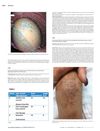
 Three patients suffered severe health issues due to not getting enough vitamins and minerals after weight-loss surgery.