 7 citations
,
March 2017 in “Annals of Plastic Surgery”
7 citations
,
March 2017 in “Annals of Plastic Surgery” The new Mercedes flap variant effectively closed medium-sized scalp defects in a single operation with good cosmetic results and no complications.
36 citations
,
July 1988 in “Archives of Dermatological Research” Pili annulati is caused by a protein metabolism disorder affecting hair structure.
18 citations
,
July 2006 in “British Journal of Dermatology” Connexin 30 is usually absent in normal skin but can appear in certain skin conditions.
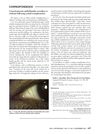 December 2012 in “Canadian journal of ophthalmology”
 Eyelash transplantation can cause eye damage and pain if not done carefully.
186 citations
,
October 1957 in “A M A Archives of Dermatology” Alopecia mucinosa is a challenging condition with unclear diagnosis and treatment.
 13 citations
,
March 1998 in “Journal of Biomedical Materials Research”
13 citations
,
March 1998 in “Journal of Biomedical Materials Research” Island grafts can help study skin regeneration separately from other healing processes.
 256 citations
,
October 2013 in “Nature Communications”
256 citations
,
October 2013 in “Nature Communications” Bioengineered lacrimal glands can restore tear production and protect eyes.
5 citations
,
July 1999 in “Journal of Anatomy” Methylene blue staining effectively highlights detailed nerve structures in rat fur.
 1 citations
,
November 2023 in “Curēus”
1 citations
,
November 2023 in “Curēus” Early diagnosis and treatment of nail and skin conditions can improve health and appearance.
 5 citations
,
July 2019 in “Atlas of the Oral and Maxillofacial Surgery Clinics”
5 citations
,
July 2019 in “Atlas of the Oral and Maxillofacial Surgery Clinics” Tissue expansion for head and neck reconstruction has good blood supply and doesn't need capsule removal, but expect temporary hair loss with normal growth resuming after 6-8 months.
81 citations
,
August 1979 in “Archives of Dermatology” Trichofolliculomas can sometimes be more aggressive than thought.
10 citations
,
June 2022 in “Development” Gene regulation evolved differently in mouse and chicken skin, but remained stable in their trunks.
 13 citations
,
March 2019 in “Journal of ethnopharmacology”
13 citations
,
March 2019 in “Journal of ethnopharmacology” Cacumen Platycladi oil promotes hair growth better than minoxidil.
 February 2026 in “Nature Communications”
 A specific group of immune and skin cells may cause chronic inflammation in atopic dermatitis.
June 2020 in “bioRxiv (Cold Spring Harbor Laboratory)” Stem and progenitor cells in the eye have different division rates and locations, affecting how they respond to injury.
6 citations
,
January 1994 in “Skin Pharmacology and Physiology” Dermal papillae are crucial for hair growth and follicle development.
42 citations
,
April 2016 in “Plastic and reconstructive surgery/PSEF CD journals” The hydrogel with fractionated PRP improves skin regeneration by enhancing wound healing and growth of skin structures.
2 citations
,
January 2022 in “International journal of trichology” Eruptive vellus hair cysts are often missed in diagnoses.
79 citations
,
November 2010 in “Journal of Neuroscience” Hair clipping can trigger axon growth and changes in the skin.
15 citations
,
January 1992 in “Dermatology” Artificial hair implants can cause severe skin problems, often needing surgical removal.
January 2014 in “Institutional Repositories DataBase (IRDB)” Fibroblast spheres can form stem cells, but marker distribution needs more study.
92 citations
,
March 2010 in “Gerontology” Deer antler regeneration offers insights for human limb regeneration and scar reduction.
8 citations
,
July 1986 in “International Journal of Dermatology” Eruptive vellus hair cysts are harmless skin bumps that may go away on their own.
 2 citations
,
December 2019 in “Veterinary Dermatology”
2 citations
,
December 2019 in “Veterinary Dermatology” Microneedling with platelet-rich plasma helps dog hair regrow faster than microneedling alone.
 2 citations
,
December 2013 in “Veterinary dermatology”
2 citations
,
December 2013 in “Veterinary dermatology” Three dogs with a rare skin condition improved with treatment.
8 citations
,
May 2008 in “Applied surface science” Mummy hair from the Taklamakan desert has calcium and phosphorus inside.

Using calvarial bone for maxilla augmentation is less painful and allows for single-procedure dental implants.
June 2026 in “Experimental Dermatology” Large wounds have more infundibular basal keratinocytes, aiding hair follicle regeneration.
Dissecting cellulitis and folliculitis keloidalis cause intense inflammation without bacterial infection.