Search
for
Sort by
Research
570-600 / 1000+ resultsresearch Post SARS-CoV-2 vaccination effluvium
research New product intros (finasteride/tadalafil (new combination); sutimlimab; human SARS-CoV-2 recombinant nanoparticle vaccine, adjuvanted with AS03; bupropion hydrochloride/dextromethorphan hydrobromide (new combination))
research Sex differences in COVID-19: the role of androgens in disease severity and progression
Male hormones like testosterone may make COVID-19 worse, and testing for sensitivity to these hormones could help predict how severe a patient's symptoms might be. Treatments that reduce these hormones are being explored.
research Impact of comorbidity burden on mortality in patients with COVID-19 using the Korean health insurance database
Older age and existing health conditions increase COVID-19 death risk.
research Long-term post-COVID symptoms and associated risk factors in previously hospitalized patients: A multicenter study
Most hospitalized COVID-19 patients had long-term symptoms like fatigue and hair loss, with women and those sicker during hospitalization at higher risk.
research Are sex discordant outcomes in COVID-19 related to sex hormones?
Sex hormones may affect COVID-19 severity, with men often faring worse, and targeting related pathways could offer treatment options.
research The impact of certain genetic variants (single nucleotide polymorphisms) on incidence and severity of COVID‐19
Certain genetic differences may affect how likely someone is to get COVID-19 and how severe it might be.
research Clinical course of alopecia after COVID-19
A man experienced hair loss after getting COVID-19, which improved with treatment and might have been triggered by stress related to the illness.
research COVİD-19’UN GÜNCEL BELİRTİLERİNİN LİTERATÜR DERLEMESİ
Covid-19 can cause skin and oral symptoms, like taste changes, which help in detection and management.

research Hydroxychloroquine, nitazoxanide and ivermectin have similar effects in early COVID-19: a head-to-head comparison of the Pre-AndroCoV Trial.
Hydroxychloroquine, nitazoxanide, and ivermectin were similarly effective in treating early COVID-19.
research Inhibition of SARS-CoV-2 entry through the ACE2/TMPRSS2 pathway: a promising approach for uncovering early COVID-19 drug therapies
Blocking the virus's entry into cells by targeting certain pathways could lead to early COVID-19 treatments.
research An Ecologic Study of Disparities in COVID-19 Incidence and Case Fatality in Oakland County, MI, USA, During a State-Mandated Shutdown
COVID-19 affected Black communities more in Oakland County, MI, but didn't increase death rates.
research Comparison of patients’ diagnoses in a dermatology outpatient clinic during the COVID‐19 pandemic period and pre‐pandemic period
The pandemic changed how often certain skin conditions were diagnosed.
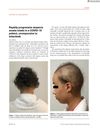
research Rapidly progressive alopecia areata totalis in a COVID‐19 patient, unresponsive to tofacitinib
A COVID-19 patient with severe hair loss did not improve with hair loss medication after stopping and restarting it due to the infection.
research Androgenetic alopecia and COVID ‐19: A review of the hypothetical role of androgens
Possible link between androgens and COVID-19 severity; more research needed.
research The most common pediatric and adult dermatology patient complaints in a month of the COVID‐19 pandemic in Turkey
During the COVID-19 pandemic in Turkey, the most common skin problem for both kids and adults was acne.
research Contributions of dermatologists to COVID ‐19 research: A brief systematic review
Dermatologists helped identify COVID-19 through skin symptoms and managed skin issues during the pandemic, but more high-quality research is needed.
research From bedside to bench: regulation of host factors in SARS-CoV-2 infection
The conclusion is that certain genetic factors and blood types may affect COVID-19 severity, but changes in ACE2 and TMPRSS2 genes are not clearly linked to it.
research Extraordinary claims without extraordinary evidence: controversy on anti‐androgen therapy for COVID‐19
The letter is skeptical about the effectiveness of anti-androgen therapy for COVID-19 and calls for strong evidence from clinical trials.
research A Botanical Compound for the Treatment of Alopecia Areata and Chemotherapy-Induced Alopecia
The botanical treatment for hair loss shows promise, especially for children.
research Evaluation of COVID-19 risk in patients on systemic retinoid therapy
Systemic retinoids do not increase COVID-19 risk or severity.
research The effects of the COVID-19 pandemic on the Dermatology Outpatient Clinic of Aydın Adnan Menderes University Hospital
COVID-19 reduced dermatology visits by 30.4%, with more male patients and increased cases of psoriasis, bullous diseases, and melanoma.
research Hair Loss and Androgen’s Role in the Era of COVID-19
Androgens may worsen COVID-19 and hair loss could indicate the disease's severity.
research Manifestaciones dermatológicas por Covid-19 y su aporte en la comprensión de la enfermedad
Skin symptoms appear in up to 20% of Covid-19 cases.
research A Retrospective Analysis from Turkey: The Effect of the COVID-19 Outbreak Quarantine on Dermatology Outpatient Clinics
The COVID-19 quarantine in Turkey disrupted dermatological care, increased stress-related skin issues, and showed the need for psychological support and teledermatology.
research A Case of Telogen Effluvium as COVID Sequelae
A woman lost over 80% of her hair due to a condition called telogen effluvium after having COVID-19.
research Role of Polycystic Ovary Syndrome in Increasing Susceptibility to COVID-19: A Biochemical and Psychological Approach
Women with PCOS may be more susceptible to COVID-19 due to hormonal and psychological factors.
research BIOMEDICINA ESTÉTICA E AS CONTRIBUIÇÕES DO TRATAMENTO CONTRA QUEDA CAPILAR COM PLASMA RICO EM PLAQUETAS PÓS COVID-19.
Platelet-rich plasma helps treat post-COVID-19 hair loss and boosts self-esteem.
research Tratamento do Eflúvio Telógeno Pós-Covid 19
Topical Minoxidil is effective for hair loss after COVID-19.