 April 2023 in “Research Society and Development”
 Corticosteroids are safe and effective for treating Alopecia Areata.
Topical corticosteroids are effective for skin conditions but can have side effects.
 1 citations
,
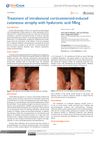
July 2018 in “Journal of dermatology & cosmetology”
1 citations
,
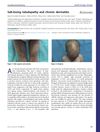
July 2018 in “Journal of dermatology & cosmetology” Hyaluronic acid successfully treated skin atrophy caused by corticosteroid injections.
 March 2004 in “Journal of The American Academy of Dermatology”
 Patients with systemic lupus erythematosus and hair loss had fewer hair follicles and non-scarring alopecia; direct immunofluorescence was not helpful in diagnosing lupus in these cases.
 60 citations
,
January 2014 in “Anais Brasileiros De Dermatologia”
60 citations
,
January 2014 in “Anais Brasileiros De Dermatologia” Nanotechnology in dermatology shows promise for better drug delivery and treatment effectiveness but requires more safety research.
7 citations
,
May 1977 in “Deutsche medizinische Wochenschrift/Deutsche Medizinische Wochenschrift” Antiandrogen treatments can help with various women's health issues but often require ongoing use.
New treatments for skin diseases in 1979 showed promising results with fewer side effects.
August 2009 in “Belarusian State Pedagogical University repository (Belarusian State Pedagogical University)” Alopecia areata in children is often linked to genetics, autoimmune issues, and stress, and is treated with corticoids or PUVA therapy.
September 1976 in “PubMed” Hirsutism is excessive male-pattern hair growth mainly caused by ovarian hormones, and severe cases may require costly treatment with side effects.
 May 2016 in “Endocrine Abstracts”
 The removal of the adrenal tumor improved the patient's symptoms and reduced androgen levels, indicating successful surgery.
9 citations
,
February 2012 in “Clinical Neurology and Neurosurgery” Dystonia may be part of PAS-4 and linked to immune issues.
61 citations
,
September 1970 in “Journal of the American Geriatrics Society” Anabolic steroids may help prevent aging effects by reducing toxicity, not by their usual functions.
7 citations
,
September 1962 in “Oral Surgery Oral Medicine Oral Pathology” Triamcinolone acetonide effectively treated black hairy tongue.
The document concludes that various skin conditions have specific treatments and that adequate calcium intake may prevent osteoporosis.
 February 2009 in “Journal of The American Academy of Dermatology”
 Pulsed dye laser treatment was effective for a skin condition resistant to other treatments.
 17 citations
,
August 1967 in “JAMA”
17 citations
,
August 1967 in “JAMA” The rapid corticotropin test is a quick and simple way to diagnose adrenal insufficiency.
 July 2018 in “Kidney international”
 Genetic testing for EGFR mutations is crucial in similar cases.
December 2019 in “Case Medical Research”  5 citations
,
November 1992 in “Current problems in dermatology”
5 citations
,
November 1992 in “Current problems in dermatology” Glucocorticoids are powerful anti-inflammatory drugs that must be used carefully to avoid serious side effects.
12 citations
,
January 1999 in “Journal of Animal Science” Glucocorticoids and thyroid hormones together are essential for fetal fat development.
 October 2024 in “Journal of the Endocrine Society”
 A single steroid injection can cause serious side effects like Cushing Syndrome.
17 citations
,
December 1951 in “Experimental biology and medicine” Vitamin B12 and aureomycin can reverse or reduce cortisone's negative effects on body and hair growth in rats.
 January 1953 in “The Lancet”
 Cortisone may help hair regrow by altering the local environment, with regrowth starting 3-4 weeks after treatment, but its use is not widely recommended.
 June 2020 in “Annals of the Rheumatic Diseases”
 Patients need better information about the risks of long-term steroid use.
12 citations
,
October 1952 in “Experimental biology and medicine” Vitamin B12 and aureomycin reduce the negative effects of high doses of cortisone in rats.
 80 citations
,
November 1975 in “Acta dermato-venereologica”
80 citations
,
November 1975 in “Acta dermato-venereologica” Large doses of glucocorticoids are not suitable for general use in treating severe alopecia areata due to inconsistent results and risks.
 18 citations
,
January 2017 in “Journal der Deutschen Dermatologischen Gesellschaft”
18 citations
,
January 2017 in “Journal der Deutschen Dermatologischen Gesellschaft” High and low doses of prednisolone helped 62% of children with severe alopecia regrow hair with some weight gain and mild acne as side effects.
 248 citations
,
December 2011 in “Journal of Neuroscience”
248 citations
,
December 2011 in “Journal of Neuroscience” Neurosteroids are crucial for stress response, and targeting specific receptors may help treat certain disorders.
 1 citations
,
April 2017 in “Journal of Investigative Dermatology”
1 citations
,
April 2017 in “Journal of Investigative Dermatology” Topical glucocorticoids thin the skin and change collagen structure.
9 citations
,
December 1958 in “Journal of Investigative Dermatology”