December 2013 in “American journal of transplantation” The patient improved after antiviral treatment for a viral infection.
4 citations
,
June 2020 in “DOAJ (DOAJ: Directory of Open Access Journals)” A woman with Rhupus and Rowell syndrome was treated successfully with medication adjustments.
 1 citations
,
January 2012 in “Journal of Toxicologic Pathology”
1 citations
,
January 2012 in “Journal of Toxicologic Pathology” A rat had a cyst similar to a hair follicle structure.
2 citations
,
January 1989 Tay syndrome is a unique genetic disorder causing skin, hair, and developmental issues.
 3 citations
,
September 2020 in “Case reports in dermatological medicine”
3 citations
,
September 2020 in “Case reports in dermatological medicine” Misdiagnosing kerion as a bacterial infection can lead to unnecessary surgery and permanent hair loss.
 55 citations
,
May 2014 in “Journal of feline medicine and surgery”
55 citations
,
May 2014 in “Journal of feline medicine and surgery” Combining systemic and topical treatments, guided by weekly fungal cultures, effectively treats cat ringworm.
 1 citations
,
March 2019 in “International Journal of Current Pharmaceutical Research”
1 citations
,
March 2019 in “International Journal of Current Pharmaceutical Research” The essential oils from Hedyotis corymbosa, Inula racemose, and Holostemma adakodien have significant antibacterial and antifungal properties.
5 citations
,
March 1981 in “PubMed” A girl grew extra hair in areas where she had insect bites.
January 2000 in “The Mouseion at the JAXlibrary (Jackson Laboratory)” The lanceolate hair-J mutation in mice helps understand human hair disorders like Netherton's syndrome.
 July 2023 in “Media Dermato Venereologica Indonesiana”
 Corticosteroids effectively treated a 60-year-old man's skin condition.
20 citations
,
December 1999 in “Journal of Investigative Dermatology” Mutations in the hHb6 gene cause the hair disorder monilethrix.
July 2023 in “Clinical Cosmetic and Investigational Dermatology” Accurate diagnosis of granular parakeratosis is crucial for effective treatment and improvement.
28 citations
,
March 1993 in “Journal of Cell Science” Keratins K4 and K13 form stable dimers in mature esophageal cells, aiding cell stability.
3 citations
,
January 2020 in “Acta veterinaria indonesiana” The cat with ringworm got better after being treated with oral and topical medications for 35 days.
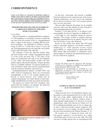 16 citations
,
January 2005 in “Pediatric Dermatology”
16 citations
,
January 2005 in “Pediatric Dermatology” A 10-year-old girl with Fox Fordyce disease improved with treatment, suggesting the disease can occur before puberty and might be underdiagnosed in young girls.
20 citations
,
August 2021 in “Clinical and Experimental Dermatology” A skin rash after the AstraZeneca COVID-19 vaccine was treated successfully with medication.
 April 2021 in “BMJ Case Reports”
 Accurate diagnosis of pseudolymphomatous folliculitis is crucial to avoid mistaking it for more serious conditions.
152 citations
,
April 2002 in “The journal of investigative dermatology/Journal of investigative dermatology” A new mutation in the Connexin 26 gene was found in a patient with KID syndrome, expanding the known disorders linked to this gene.
30 citations
,
December 1996 in “Journal of Investigative Dermatology”  9 citations
,
January 2019 in “Skin appendage disorders”
9 citations
,
January 2019 in “Skin appendage disorders” Researchers found a new sign of fungal infection in some patients with Seborrheic Dermatitis.
26 citations
,
October 1998 in “Experimental Dermatology” A keratin hHb6 mutation causes a hair disorder with varying severity, influenced by other factors.
5 citations
,
October 2012 in “Veterinary Pathology” A Doberman Pinscher had a rare form of autoimmune disease causing hair loss and other severe symptoms.
 April 2018 in “Journal of Investigative Dermatology”
 The conclusion introduces a new way to classify skin cysts using their shape and genetic markers.
 47 citations
,
March 2016 in “Journal of dermatology”
47 citations
,
March 2016 in “Journal of dermatology” Understanding the genetics of rare inherited ichthyosis syndromes is key for better treatments and genetic counseling.
 March 2024 in “Indian Journal of Dermatology/Indian journal of dermatology”
 Using animal names for skin conditions helps with learning and memory.
11 citations
,
January 1977 in “Archives of dermatological research” Mouse tail skin has different keratinization near hair follicles and scales.
2 citations
,
January 2023 in “Frontiers in Veterinary Science” Buffalo flies and Stephanofilaria nematodes cause severe skin lesions in beef cattle, and treatment should target both.
7 citations
,
November 1997 in “Pediatric Dermatology” Trichothiodystrophy can be linked to urologic issues and high calcium in urine.
June 2018 in “International Journal of Dermatology” 87 citations
,
August 1974 in “Journal of Investigative Dermatology”