 157 citations
,
May 2021 in “Endocrine Reviews”
157 citations
,
May 2021 in “Endocrine Reviews” Early diagnosis and individualized treatment improve outcomes for Congenital Adrenal Hyperplasia.
 25 citations
,
November 2008 in “Ophthalmic Plastic and Reconstructive Surgery”
25 citations
,
November 2008 in “Ophthalmic Plastic and Reconstructive Surgery” Radiofrequency and scalpel incisions have similar clinical outcomes for upper eyelid surgery.
 8 citations
,
July 2008 in “Facial Plastic Surgery Clinics of North America”
8 citations
,
July 2008 in “Facial Plastic Surgery Clinics of North America” More men are getting non-surgical cosmetic treatments due to increased income and social acceptance, with less invasive options being preferred.
 1 citations
,
November 1963 in “JAMA”
1 citations
,
November 1963 in “JAMA” Timely diagnosis and active treatment improve outcomes for massive pulmonary embolism.
 December 2025 in “Open Repository of the University of Porto (University of Porto)”
 Pharmacists play a crucial role in improving patient outcomes through personalized care and staying updated with scientific advancements.
 January 2025 in “International Journal of Dermatology Research”
 Tailored combination therapy improves non-scarring alopecia outcomes.
 October 2024 in “Open Repository of the University of Porto (University of Porto)”
 Pharmacists play a crucial role in improving treatment outcomes and staying updated on various health conditions.
 January 2024 in “Wiadomości Lekarskie”
 Combining standard treatment with exogenous cholinesterases can improve outcomes in severe organophosphate poisoning.
 December 2023 in “Juan Cuevas eBooks”
 Advanced reconstructive plastic surgery techniques improve outcomes with personalized care and innovative treatments.
 January 2019 in “LASER THERAPY”
 Laser technologies improve medical treatments and outcomes.
 36 citations
,
April 2017 in “journal of current ophthalmology”
36 citations
,
April 2017 in “journal of current ophthalmology” Good preoperative assessment is crucial for safe and effective eyelid and brow cosmetic surgery.
 14 citations
,
October 2012 in “Clinics in Plastic Surgery”
14 citations
,
October 2012 in “Clinics in Plastic Surgery” Adding stem cells to fat grafts for facial rejuvenation might improve outcomes, but more research is needed to confirm safety and effectiveness.
 May 2026 in “International Journal of Drug Delivery Technology”
 Accurate diagnosis of EFFC is crucial for effective counseling and cosmetic care.
 September 2025 in “Journal of Medical Internet Research”
 Expanding telemedicine in Japan reduced healthcare costs without harming health outcomes.
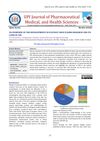 August 2024 in “UPI Journal of Pharmaceutical Medical and Health Sciences”
 PRP shows promise in musculoskeletal rehabilitation but needs standardized reporting for better outcomes.
 January 2024 in “Wiadomości Lekarskie”
 AI improves medical care by enhancing diagnosis and treatment for better patient outcomes.
 January 2024 in “Wiadomości Lekarskie”
 Pre-surgical embolization and a two-stage resection improve outcomes for rare sacral tumors.
 October 2023 in “Han'gug miyong haghoeji/Journal of the Korean society of cosmetology”
 Understanding psychological discomfort in hair loss can improve treatment outcomes.
 June 2023 in “Juan Cuevas eBooks”
 Personalized care and evaluation are crucial for successful plastic surgery outcomes.
 April 2005 in “Clinics in Plastic Surgery”
 Various surgical techniques effectively treat skin diseases and cosmetic issues.
 May 2023 in “Current Medicinal Chemistry”
 Microneedle patches improve drug delivery for skin treatments and cosmetic enhancements.
 October 2025 in “Pakistan journal of urology.”
 Personalized, minimally invasive treatments improve urology outcomes.
 38 citations
,
February 2016 in “Surgery Journal”
38 citations
,
February 2016 in “Surgery Journal” Facial plastic surgery has evolved to focus on less invasive techniques and innovative technologies for cosmetic and reconstructive procedures.
 31 citations
,
June 2020 in “Dermatologic Therapy”
31 citations
,
June 2020 in “Dermatologic Therapy” Patients with chronic skin conditions on systemic treatments did not have worse COVID-19 outcomes and could resume their treatments after recovery.
 12 citations
,
July 2016 in “Atlas of the Oral and Maxillofacial Surgery Clinics”
12 citations
,
July 2016 in “Atlas of the Oral and Maxillofacial Surgery Clinics” The document concludes that the endoscopic brow lift is a less invasive cosmetic surgery that requires careful technique and patient selection to achieve lasting, aesthetically pleasing results.
 4 citations
,
July 2019 in “Children (Basel)”
4 citations
,
July 2019 in “Children (Basel)” The review concludes that more research is needed to better improve the health outcomes for people with Polycystic Ovarian Syndrome.
 1 citations
,
January 2019 in “Springer eBooks”
1 citations
,
January 2019 in “Springer eBooks” Hidradenitis Suppurativa is a chronic skin condition best treated early with surgery for better outcomes and less recurrence.
 November 2025 in “Věda a perspektivy”
 Treating alopecia effectively requires combining medical, cosmetic, and barbering methods for both physical and emotional well-being.
 May 2017 in “Journal of The American Academy of Dermatology”
 Certain factors like patchy hair loss at the back of the head, being female, and younger age at diagnosis can lead to a worse outcome for alopecia areata.
 23 citations
,
October 2016 in “Journal of Midwifery & Women's Health”
23 citations
,
October 2016 in “Journal of Midwifery & Women's Health” The document concludes that health care providers should offer culturally competent care and more research is needed to improve health outcomes for transgender individuals.