 2 citations
,
January 2009 in “Journal of Drug Delivery Science and Technology”
2 citations
,
January 2009 in “Journal of Drug Delivery Science and Technology” Minoxidil in distearyldimethylammonium chloride vesicles significantly promotes hair growth, while minoxidil in microparticles or poloxamer solutions doesn't.
April 2023 in “Klinicheskaya dermatologiya i venerologiya” Oral Minoxidil may be better for hair growth than topical, but its long-term safety is unclear.
January 2021 in “Medical research archives” The 5% minoxidil lotion without propylene glycol is effective, well-tolerated, and cosmetically acceptable for hair loss.
 32 citations
,
May 1995 in “Contact Dermatitis”
32 citations
,
May 1995 in “Contact Dermatitis” Minoxidil can cause allergic reactions, but testing helps identify the cause.
10 citations
,
November 1993 in “Indian Journal of Dermatology Venereology and Leprology” Minoxidil can cause erythema multiforme, even if patch tests are negative.
May 2013 in “DOAJ (DOAJ: Directory of Open Access Journals)” The multimodal microemulsion with minoxidil, diclofenac, and tea tree oil is more effective for hair growth than minoxidil alone.
4 citations
,
October 2021 in “Journal of The European Academy of Dermatology and Venereology” Low-dose oral minoxidil increases hair density and thickness in people with hair loss.
March 2026 in “Mini-Reviews in Medicinal Chemistry” Oral minoxidil can be improved for hair loss treatment with personalized strategies and new technologies.
 September 2024 in “Journal of the American Academy of Dermatology”
 Minoxidil helps hair regrowth and has anti-aging effects on hair follicles.
March 2026 in “Journal of medical & health sciences review.” Both 5% minoxidil foam and liquid effectively treat hair loss, with foam slightly preferred.
 29 citations
,
August 1985 in “Contact Dermatitis”
29 citations
,
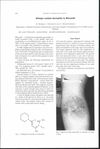
August 1985 in “Contact Dermatitis” Minoxidil can cause allergic reactions like burning, itching, and red bumps.
Using 5% minoxidil foam twice daily can help regrow hair, especially in younger men aged 20-30.
 58 citations
,
July 1986 in “Journal of The American Academy of Dermatology”
58 citations
,
July 1986 in “Journal of The American Academy of Dermatology” Lowest effective minoxidil concentration is 1%, but 2% works better for male pattern baldness.
Minoxidil can help with hair loss, but its effectiveness depends on the patient and formulation.
January 2012 in “Sichuan Medical Journal” 2% minoxidil effectively increases hair count in women with androgenetic alopecia without severe side effects.
 49 citations
,
October 1994 in “Annals of Oncology”
49 citations
,
October 1994 in “Annals of Oncology” Minoxidil not effective in preventing chemotherapy-induced hair loss.
 May 2023 in “JAMA network open”
 After a New York Times article talked about using low-dose oral minoxidil for hair loss, more people started getting this drug prescribed, but this trend didn't last long.
 November 2025 in “Journal of Family Medicine and Primary Care”
 Low-dose minoxidil effectively enhances facial hair with minimal side effects.
 August 2023 in “Faculty Opinions – Post-Publication Peer Review of the Biomedical Literature”
 Minoxidil users may experience hair discoloration, especially with long-term use and a family history of gray hair.
 32 citations
,
January 1994 in “Skin Pharmacology and Physiology”
32 citations
,
January 1994 in “Skin Pharmacology and Physiology” Minoxidil helps hair growth by activating enzymes in hair follicles.
 33 citations
,
April 1990 in “Dermatologic Clinics”
33 citations
,
April 1990 in “Dermatologic Clinics” Minoxidil effectively treats hair loss, with better results in women.
January 2011 in “The Internet Journal of Pharmacology” Minoxidil is cost-effective for regrowing hair on the scalp's top but not the front, requiring ongoing use.
 October 2025 in “American Journal of Clinical Dermatology”
 Low-dose oral minoxidil can effectively promote hair growth but requires careful monitoring for safety.
A 5-year-old boy grew too much hair after using minoxidil, but it went away after stopping the treatment.
 21 citations
,
September 1977 in “Journal of Pharmaceutical Sciences”
21 citations
,
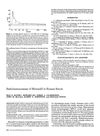
September 1977 in “Journal of Pharmaceutical Sciences” Minoxidil levels measured in human blood.
12 citations
,
October 2001 in “Journal of the American Academy of Dermatology” Topical 5% minoxidil lacks strong evidence for treating alopecia areata.
September 2016 in “Aktualʹnì pitannâ farmacevtičnoï ì medičnoï nauki ta praktiki” The minoxidil cream-mask is stable and effective for hair growth when prepared at 60-80ºC.
March 1983 in “International Journal of Dermatology” Minoxidil can cause excessive hair growth.
 38 citations
,
October 1988 in “Clinics in Dermatology”
38 citations
,
October 1988 in “Clinics in Dermatology” Minoxidil can help grow hair and make hair follicles bigger, but it can also cause side effects.
11 citations
,
February 1986 in “Archives of Dermatology” A 5% minoxidil solution led to better hair regrowth in severe alopecia areata than a 1% solution, but results were often not cosmetically acceptable.