Minoxidil can treat female hair loss but may cause side effects.
 1 citations
,
May 2007 in “International Journal of Dermatology”
1 citations
,
May 2007 in “International Journal of Dermatology” Minoxidil, when applied to the scalp, can stimulate hair growth but effects vary, stop if treatment ends, and it may cause side effects like fluid retention.
 October 2016 in “International journal of medical research and review”
 Minoxidil, a hair loss treatment, may cause acne-like skin eruptions.
November 2025 in “Revista Foco” Minoxidil effectively promotes hair growth for alopecia, especially when combined with other treatments and proper monitoring.
 September 2025 in “The Professional Medical Journal”
 Oral minoxidil is safe and effective for increasing hair thickness in men with hair loss.
9 citations
,
March 1991 in “American Journal of Contact Dermatitis” Minoxidil can cause allergic skin reactions, especially in long-term users.
13 citations
,
May 1987 in “PubMed” Topical minoxidil can help regrow hair with regular use, but results vary and side effects may occur.
 25 citations
,
May 1986 in “The American Journal of the Medical Sciences”
25 citations
,
May 1986 in “The American Journal of the Medical Sciences” Minoxidil helps hair growth and boosts self-esteem in balding men.
January 2018 in “Surgical and Cosmetic Dermatology” Latanoprost and minoxidil effectively control hair loss and increase hair count.
2 citations
,
March 2004 in “Journal of the American Academy of Dermatology” Minoxidil 5% solution quickly improves hair growth and density with minimal side effects.
 5 citations
,
January 2020 in “Skin Research and Technology”
5 citations
,
January 2020 in “Skin Research and Technology” Minoxidil 5% works better than 2% for hair growth in male-patterned hair loss.
 January 2008 in “Abstracts”
 Minoxidil sulfate gel can be used to treat hair loss.
 80 citations
,
September 1984 in “Journal of The American Academy of Dermatology”
80 citations
,
September 1984 in “Journal of The American Academy of Dermatology” 5% minoxidil helps hair regrowth in androgenic alopecia.
July 2021 in “Journal of reports in pharmaceutical sciences” The 2% minoxidil nanosuspension is as effective as the commercial product but safer and easier to use.

Topical minoxidil increases hair density in androgenetic alopecia but has unclear clinical significance.

Minoxidil effectively treats hair loss.
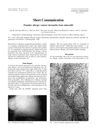 17 citations
,
May 1998 in “Contact Dermatitis”
17 citations
,
May 1998 in “Contact Dermatitis” Minoxidil can cause pustular allergic reactions on skin.
September 2019 in “Zagazig university medical journal” Minoxidil helps hair growth but has side effects.
 14 citations
,
July 1987 in “Contact Dermatitis”
14 citations
,
July 1987 in “Contact Dermatitis” A small percentage of minoxidil users may develop an allergic skin reaction.
 June 2024 in “Acta dermato-venereologica”
 Topical minoxidil effectively stimulates hair growth in men with hair loss.
January 2023 in “Dermatologic Therapy” The new 5% minoxidil foam is as effective and safe as Rogaine® for treating hair loss in Chinese men.
1 citations
,
January 2025 in “World Journal of Emergency Medicine” Minoxidil can cause unexpected heart problems like chest pain.
1 citations
,
April 2018 in “Медицинский совет” Minoxidil effectively treats early-stage androgenic alopecia with visible results in 4-6 months and minimal side effects.
 29 citations
,
July 2009 in “Journal of Dermatology”
29 citations
,
July 2009 in “Journal of Dermatology” 5% minoxidil works better for hair growth than 1% minoxidil.
1 citations
,
March 2025 in “JAAD reviews.” Minoxidil is effective for hair regrowth, and its benefits outweigh the risk of extra hair growth.
The 2% minoxidil cream is stable, spreads well on the skin, and helps with hair growth.
6 citations
,
July 1985 in “British Journal of Dermatology” Topical minoxidil showed limited effectiveness for hair regrowth in alopecia areata.
 May 2025 in “European Journal of Case Reports in Internal Medicine”
 Minoxidil can cause life-threatening heart complications, so careful monitoring is essential.
 17 citations
,
October 2013 in “F1000Research”
17 citations
,
October 2013 in “F1000Research” A 2-year-old boy grew excessive hair after using minoxidil for hair loss, but it improved when the treatment stopped.
6 citations
,
May 2007 in “Forensic Science Medicine and Pathology” Minoxidil can make it hard to detect cocaine in hair tests.