 December 2022 in “Siriraj Medical Journal”
 The COVID-19 pandemic led to fewer patient visits, more visits by older adults, an increase in cutaneous T-cell lymphoma cases, and a rise in noncosmetic procedures at a dermatology clinic.
 November 2022 in “PubMed”
 The COVID-19 pandemic increased some stress-related skin diseases but didn't affect others.
 July 2022 in “Hair transplant forum international”
 The COVID-19 pandemic affected hair restoration practices in 2022.
 December 2021 in “Turkderm”
 The COVID-19 pandemic led to fewer dermatology patients, more stress-related skin conditions during the crisis, and a rise in contact dermatitis after, with ongoing concerns for public health and treatment delays.
 June 2020 in “Journal of Dermatological Treatment”
 Use telemedicine and strict hygiene for safe hair and scalp treatments during COVID-19.
 29 citations
,
March 2021 in “Frontiers in Endocrinology”
29 citations
,
March 2021 in “Frontiers in Endocrinology” Testosterone may influence COVID-19 severity and outcomes.
 19 citations
,
November 2021 in “Reviews in endocrine and metabolic disorders”
19 citations
,
November 2021 in “Reviews in endocrine and metabolic disorders” Sex hormones like estrogen and testosterone may affect COVID-19 severity differently in men and women, potentially influencing prevention and treatment strategies.
 23 citations
,
February 2021 in “Journal of Endocrinological Investigation”
23 citations
,
February 2021 in “Journal of Endocrinological Investigation” Betacoronaviruses, like COVID-19, may cause hormone system dysfunction and affect disease susceptibility and severity.
3 citations
,
November 2022 in “Clinical Cosmetic and Investigational Dermatology” The pandemic changed the types of skin conditions seen, not the number of visits.
 September 2022 in “Acta Medica”
 The pandemic caused new skin problems in children, mainly due to mask-wearing and stress.
 43 citations
,
July 2020 in “Dermatologic Therapy”
43 citations
,
July 2020 in “Dermatologic Therapy” During the COVID-19 pandemic, a clinic in Turkey saw fewer patients but more cases of certain skin conditions, possibly linked to the virus and stress.
24 citations
,
June 2020 in “Journal of the American Academy of Dermatology” Patients reduced searches for dermatology issues during COVID-19, indicating a need for better telehealth services.
 21 citations
,
November 2021 in “Journal of the European Academy of Dermatology and Venereology”
21 citations
,
November 2021 in “Journal of the European Academy of Dermatology and Venereology” The French COVID-19 lockdown caused delays in diagnosing new melanoma cases, making them more severe.
 14 citations
,
April 2021 in “Frontiers in Psychiatry”
14 citations
,
April 2021 in “Frontiers in Psychiatry” Overall alcohol consumption decreased during lockdown, but heavy drinkers consumed more.
7 citations
,
March 2024 in “PubMed” More social media use during COVID-19 increased interest in cosmetic procedures.
 7 citations
,
July 2020 in “Dermatologic Therapy”
7 citations
,
July 2020 in “Dermatologic Therapy” During the COVID-19 pandemic in Turkey, the most common skin problem for both kids and adults was acne.
 6 citations
,
October 2020 in “Journal of the European Academy of Dermatology and Venereology”
6 citations
,
October 2020 in “Journal of the European Academy of Dermatology and Venereology” Teletrichoscopy is a promising method for diagnosing hair disorders remotely during the COVID-19 pandemic.
 3 citations
,
August 2021 in “Clinical, Cosmetic and Investigational Dermatology”
3 citations
,
August 2021 in “Clinical, Cosmetic and Investigational Dermatology” Teledermatology was popular among young adults and women, and high-resolution photos improved service during the pandemic.
 1 citations
,
October 2023 in “Romanian Journal of Morphology and Embryology”
1 citations
,
October 2023 in “Romanian Journal of Morphology and Embryology” COVID-19 can cause various skin issues, but long-term skin problems are rare.
 1 citations
,
July 2021 in “Journal of The American Academy of Dermatology”
1 citations
,
July 2021 in “Journal of The American Academy of Dermatology” Face mask-related injuries in U.S. emergency departments rose by 2400% during the COVID-19 pandemic, with most injuries being dermatitis and lacerations.
 November 2025 in “Journal of Laboratory Medicine”
 Chronic stress increased after lockdown, especially in young adults and females.
 January 2024 in “ARC Journal of Dermatology”
 During the COVID-19 pandemic, dermatology visits decreased, especially among older patients, patients of color, men, and those with chronic conditions.
 April 2023 in “Journal of Investigative Dermatology”
 During the COVID-19 pandemic in China, skin conditions like eczema and warts increased among children, while respiratory-transmitted skin infections decreased, partly due to mask-wearing.
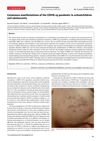 January 2023 in “Acta dermatovenerologica Alpina, Pannonica et Adriatica (Tiskana izd.)”
 The article concludes that schoolchildren and adolescents experienced various skin issues during the COVID-19 pandemic, including acne from masks and other skin reactions from the virus and vaccines.
 June 2022 in “Indian Dermatology Online Journal”
 Teledermatology effectively managed most skin conditions remotely during the COVID-19 pandemic.
 May 2022 in “F1000Research”
 During the COVID-19 pandemic, Iraqi women experienced more hair loss and certain skin conditions, while contagious skin infections decreased.
 January 2020 in “World Social Psychiatry”
 A global, inclusive approach is needed to address COVID-19 and protect vulnerable groups.
 8 citations
,
June 2021 in “Journal of Cosmetic Dermatology”
8 citations
,
June 2021 in “Journal of Cosmetic Dermatology” The review found that COVID-19 can cause skin problems, including rashes and issues from wearing PPE, and suggests more research and protective measures for healthcare workers.
6 citations
,
July 2023 in “International Journal of Women’s Dermatology” The pandemic increased concerns about skin aging, especially among women and young adults.
8 citations
,
September 2020 in “Journal of adolescent health” Gender-affirming care for youth remained essential during the COVID-19 pandemic, with telemedicine playing a key role.