 April 2017 in “InTech eBooks”
 Many people with hair loss experience scalp pain known as trichodynia, but the causes are unclear and treatments vary.
 March 2017 in “Fundamental & Clinical Pharmacology”
 The model and estimator can predict drug exposure in kidney transplant patients well.

The conclusion is that endocrinology significantly impacts medicine with various common medications used for treatment.
 January 2017 in “Research Portal (King's College London)”
 Mantel's family life affected her view of femininity and worsened her endometriosis.
 April 2016 in “The journal of investigative dermatology/Journal of investigative dermatology”
 BMP signaling controls hair growth and skin color.
 December 2015 in “University of Birmingham Institutional Research Archive (University of Birmingham)”
 AKR1C3 could be a treatment target for metabolic issues in PCOS.
 July 2015 in “Cambridge University Press eBooks”
 The document concludes that careful history and physical exams are crucial for accurately diagnosing polycystic ovary syndrome and distinguishing it from other similar conditions.
 May 2015 in “Endocrinología y nutrición”
 The conclusion is that adult males with muscle weakness and hormonal imbalances should be tested for Kennedy's disease.

Alopecia areata is an autoimmune disease affecting hair follicles and may harm heart health.
 January 2015 in “Endocrine updates”
 Bariatric surgery patients need careful before and after surgery care for safety and long-term health.
The research found that people's hair proteins vary, especially by ethnicity and body part, which could help identify individuals in forensic science.
The research found that people's hair proteins vary by individual and body part, with some differences between ethnic groups, which could help in forensics.
 August 2014 in “Warwick Research Archive Portal (University of Warwick)”
 Obesity negatively affects the endometrium, leading to higher miscarriage risk and impaired cell function.
 January 2014 in “Side effects of drugs annual”
 Exposure to certain sex hormones can increase health risks, while some hormone therapies may offer benefits for specific conditions.
 July 2013 in “British Journal of Dermatology”
 The document reviews key historical figures and discoveries in dermatology.
 January 2012 in “Elsevier eBooks”
 New treatments for skin and hair repair show promise, but further improvements are needed.

Counterfeit drugs for bodybuilders often contain incorrect or contaminated ingredients and look like real products.
 January 2011 in “Healthcare Informatics Research”
 Hair loss is significantly linked to symptoms like dry hair, scalp issues, addiction to tobacco or coffee, anxiety, and digestive problems.
 January 2011 in “Annals of dermatology/Annals of Dermatology”
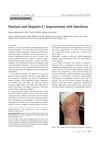
 A woman's psoriasis improved after hepatitis C treatment with interferon, despite interferon's risk of worsening skin conditions.
 January 2010 in “Actas Dermo-Sifiliográficas”
 A woman was allergic to quinine in her anti-hair loss lotion.

Acidic sandy clay damages archaeological hair the most, while dry conditions preserve but make it brittle; silicone oil can help keep the hair flexible.
 January 2009 in “Springer eBooks”
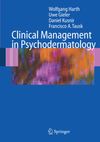
 The document concludes that treating skin conditions should include psychological care and a multidisciplinary approach is essential for effective management.
 January 2009 in “Springer eBooks”
 The document concludes that managing skin conditions during pregnancy is important and requires specialized care.
 June 2008 in “British Journal of Dermatology”
 UK medical students lack dermatology education, liver biopsy patients with risk factors show more fibrosis, and certain fungi resist drugs due to melanin; genetics may influence female hair loss.
 January 2007 in “Elsevier eBooks”
 Alopecia areata is a reversible, autoimmune-related hair loss that can have significant emotional impact and uncertain treatment effectiveness.

Tacrolimus causes fewer acute rejections than cyclosporin A in kidney transplants but doesn't necessarily improve kidney function after one year; cardiovascular risks and side effects vary between the two drugs.
The document concludes that Syndromes of Severe Insulin Resistance are rare disorders with limited treatment options.
 July 2004 in “British Journal of Dermatology”
 The document concludes that accurate diagnosis and treatment are crucial in dermatology, and it presents various findings on skin conditions and treatments.
 January 2003 in “American Journal of Clinical Dermatology”
 In 2002, various skin reactions were reported due to different drugs, including allergies, hair loss, skin lesions, and other skin conditions.
 February 1999 in “Drugs in R & D”
 The document concludes that various drugs for men's health issues are in development, with treatments for sexual dysfunction and prostate conditions being the most advanced.