 October 2014 in “Cancer Research”
 A new topical treatment may prevent hair loss from cancer therapy by adjusting cell death processes in hair follicles.
 3 citations
,
October 2020 in “Internatuinal Journal of Radiation Research”
3 citations
,
October 2020 in “Internatuinal Journal of Radiation Research” Gamma irradiation can stimulate hair growth by promoting new blood vessel formation.
 1 citations
,
July 2022 in “Dermatology practical & conceptual”
1 citations
,
July 2022 in “Dermatology practical & conceptual” Square-shaped hair loss can occur after treating a brain aneurysm due to localized radiation exposure.
 February 2026 in “Scientific Reports”
 The model effectively mimics radiation-induced skin damage for future research.
 February 2024 in “Journal of medical science and clinical research”
 Radiotherapy effectively treated a large scalp tumor in an elderly woman, avoiding surgery.
 12 citations
,
April 1960 in “The anatomical record”
12 citations
,
April 1960 in “The anatomical record” X-ray exposure affects developing hair follicles.
 9 citations
,
October 2014 in “Clinical and Experimental Dermatology”
9 citations
,
October 2014 in “Clinical and Experimental Dermatology” Temporary hair loss can occur after brain AVM treatment but usually regrows in 8 weeks.
 17 citations
,
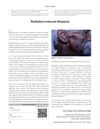
January 2010 in “International journal of trichology”
17 citations
,
January 2010 in “International journal of trichology” A man experienced hair loss from radiotherapy, which can be temporary or permanent depending on radiation dose, with potential treatments available.
12 citations
,
January 2014 in “Journal of X-Ray Science and Technology” Using 100–300 keV X-ray energy is best for treating deep-seated tumors with microplanar beam radiation therapy.
 16 citations
,
November 2009 in “Experimental dermatology”
16 citations
,
November 2009 in “Experimental dermatology” Ionizing radiation damages human hair follicles by stopping cell growth, causing cell death, disrupting color, and increasing stress and damage markers.
 July 2024 in “JAAD Case Reports”
 Corticosteroid injections for hair loss may cause eye problems, so caution is needed.
 September 2009 in “European Urology Supplements”
 IGRT resulted in lower acute toxicity for stage III prostate cancer patients.
 16 citations
,
January 2001 in “Clinical and Experimental Dermatology”
16 citations
,
January 2001 in “Clinical and Experimental Dermatology” Photodynamic therapy was effective in treating multiple scalp basal cell carcinomas with minimal side effects and good cosmetic results.
January 2015 in “UNIFESP Institutional Repository (Universidade Federal de São Paulo)” A 30 Gy radiation dose effectively causes severe radiodermatitis in rabbits.
 4 citations
,
January 2025 in “Translational Psychiatry”
4 citations
,
January 2025 in “Translational Psychiatry” Remote photobiomodulation improves brain injury outcomes and behavior in rats.
 44 citations
,
October 2017 in “Scientific Reports”
44 citations
,
October 2017 in “Scientific Reports” Far-infrared radiation improves stem cell growth and movement, helping heart therapy.
December 1963 in “Bulletin of Experimental Biology and Medicine” Radioiodine-131 significantly accumulates in skin and hair.
16 citations
,
February 2019 in “Journal of Cellular and Molecular Medicine” Researchers created a rat model to study skin damage caused by radiation, which could help develop new treatments.

Activating certain hair follicle cells could prevent hair loss from cancer treatments.
Hair transplant is effective for treating hair loss caused by radiation and improves patients' quality of life.
 14 citations
,
January 2014 in “Cells Tissues Organs”
14 citations
,
January 2014 in “Cells Tissues Organs” Ionizing radiation causes irreversible skin damage, with single doses leading to acute injury and hair graying, and fractional doses causing more severe long-term tissue damage.
 September 2006 in “Dermatologic Surgery”
 Some aggressive scalp cancers are hard to treat and can be deadly, even when removed with specialized surgery.
7 citations
,
July 2022 in “Plastic & Reconstructive Surgery” Thorough cleaning of the skull is key for successful scalp injury reconstruction.
6 citations
,
December 2021 in “Journal of Cancer Research and Therapeutics” The treatment improved survival and controlled cancer spread but required managing side effects like rashes.
1 citations
,
January 1994 in “Drug Development and Industrial Pharmacy” Topical radioprotectors can reduce radiation-induced hair loss.
 November 2014 in “Hair transplant forum international”
 Hair restoration surgery in patients with prior neurosurgery or radiation treatment can have risks like infection and poor wound healing, so it's important to discuss these with the patient.
8 citations
,
March 2022 in “Cancers” Proton minibeam radiotherapy may reduce skin side effects by causing localized DNA damage.
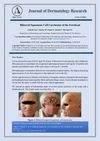
A 70-year-old man with skin cancer on both sides of his forehead was treated with surgery and cryotherapy, highlighting the need for early detection and prevention.
 2 citations
,
September 2022 in “Annals of Medicine and Surgery”
2 citations
,
September 2022 in “Annals of Medicine and Surgery” A man with a rare scalp cancer was successfully treated, highlighting the need for early management to prevent spread and complications.
3 citations
,
July 1969 in “PubMed” Radiation reduced zinc levels, growth, organ weights, and hair pigment in swine.