20 citations
,
May 2011 in “Journal of Clinical Investigation” The study created a mouse model to mimic degenerative diseases for testing tissue repair and new therapies.
6 citations
,
March 2007 in “BioTechniques” PCR genotyping in cre-loxP mice can be inaccurate due to unintended gene deletions in non-target tissues.
 11 citations
,
January 2013 in “Methods in molecular biology”
11 citations
,
January 2013 in “Methods in molecular biology” The method allows for 3D tracking of hair follicle stem cells and shows they can regenerate hair for up to 180 days.
 4 citations
,
July 2012 in “Genesis”
4 citations
,
July 2012 in “Genesis” The Megsin-Cre transgene is a new tool for genetic manipulation in the skin and upper digestive tract.
 29 citations
,
January 2010 in “Methods in Enzymology”
29 citations
,
January 2010 in “Methods in Enzymology” The document concludes that careful design of genetic fate mapping experiments is crucial for accurate cell lineage tracing in mice.
 134 citations
,
January 2011 in “Development”
134 citations
,
January 2011 in “Development” Adam10 enzyme is crucial for healthy skin and proper Notch signaling.
 29 citations
,
June 2018 in “Scientific Reports”
29 citations
,
June 2018 in “Scientific Reports” 15-lipoxygenase helps keep skin healthy by reducing inflammation.
39 citations
,
November 2005 in “The journal of investigative dermatology/Journal of investigative dermatology” Fatp4 is crucial for healthy skin development and function.
 9 citations
,
October 2022 in “Nature Communications”
9 citations
,
October 2022 in “Nature Communications” The DiLiCre mouse model is an effective tool for precise genome editing using light.
 5 citations
,
January 2024 in “The International Journal of Developmental Biology”
5 citations
,
January 2024 in “The International Journal of Developmental Biology” Mouse models help target specific genes in lymphatic cells for research.
 115 citations
,
February 2016 in “Nature Communications”
115 citations
,
February 2016 in “Nature Communications” Epidermal β-catenin activation changes the dermis by signaling different fibroblast types.
 30 citations
,
April 2010 in “Cell Cycle”
30 citations
,
April 2010 in “Cell Cycle” The gene p53 is crucial for removing damaged cells to allow for healthy tissue renewal.
 7 citations
,
December 2008 in “Journal of Dermatological Science”
7 citations
,
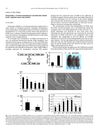
December 2008 in “Journal of Dermatological Science” Progranulin overexpression leads to shorter, thinner hair and increased cell death in mouse hair follicles.
 72 citations
,
July 2012 in “Journal of Investigative Dermatology”
72 citations
,
July 2012 in “Journal of Investigative Dermatology” Mice lacking a key DNA methylation enzyme in skin cells have a lower chance of activating stem cells necessary for hair growth, leading to progressive hair loss.
 12 citations
,
March 2011 in “Journal of pathology”
12 citations
,
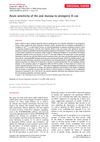
March 2011 in “Journal of pathology” Oncogenic K-ras causes rapid cancerous changes in the mouth's lining.
PTHrP is important for bone formation and may be targeted for osteoporosis treatment and longevity therapies.
 32 citations
,
June 2013 in “Journal of Investigative Dermatology”
32 citations
,
June 2013 in “Journal of Investigative Dermatology” Mice without certain skin proteins had abnormal skin and hair development.

The document concludes that the development of certain tumors is influenced by genetic background and that a specific gene modification can lead to tumor regression and reduced growth.
 252 citations
,
February 2018 in “npj Regenerative Medicine”
252 citations
,
February 2018 in “npj Regenerative Medicine” Understanding different species' regeneration can improve mammalian healing.
 32 citations
,
April 2016 in “Journal of Investigative Dermatology”
32 citations
,
April 2016 in “Journal of Investigative Dermatology” STAT5 activation is crucial for starting the hair growth phase.
 5 citations
,
August 2019 in “iScience”
5 citations
,
August 2019 in “iScience” Deleting the Trf1 protein in mice is safe and may help prevent cancer without major side effects.
 1 citations
,
January 2016 in “Elsevier eBooks”
1 citations
,
January 2016 in “Elsevier eBooks” The document concludes that identifying the specific cells where skin cancers begin is important for creating better prevention, detection, and treatment methods.
 28 citations
,
July 2007 in “Development”
28 citations
,
July 2007 in “Development” TAF4 is important for skin cell growth and helps prevent skin cancer in mice.
 29 citations
,
December 2016 in “The EMBO Journal”
29 citations
,
December 2016 in “The EMBO Journal” Gata6 is important for protecting hair growth cells from DNA damage and keeping normal hair growth.
 13 citations
,
February 2020 in “Cold Spring Harbor Perspectives in Biology”
13 citations
,
February 2020 in “Cold Spring Harbor Perspectives in Biology” New methods have helped find cells that create other cells in the body.
 52 citations
,
October 2012 in “Journal of Dermatological Science”
52 citations
,
October 2012 in “Journal of Dermatological Science” The document concludes that mouse models are crucial for studying hair biology and that all mutant mice may have hair growth abnormalities that require detailed analysis to identify.
 September 2021 in “Research Square (Research Square)”
 Not having enough or having too much of the protein Grainyhead-like 3 leads to various developmental problems.
 556 citations
,
September 2008 in “Genes & Development”
556 citations
,
September 2008 in “Genes & Development” Wnt signaling is vital for cell growth, development, and cancer research.
 172 citations
,
May 2018 in “Nature”
172 citations
,
May 2018 in “Nature” Mammalian organs regenerate using stem cells and cell plasticity, but this ability declines with age.
 137 citations
,
October 2009 in “The American journal of pathology”
137 citations
,
October 2009 in “The American journal of pathology” Matriptase is crucial for keeping epithelial tissues healthy and functioning properly.