 11 citations
,
May 2023 in “Journal of Cancer Research and Clinical Oncology”
11 citations
,
May 2023 in “Journal of Cancer Research and Clinical Oncology” CRISPR/Cas systems show promise for cancer treatment by targeting miRNAs, but delivery and specificity challenges remain.
 4 citations
,
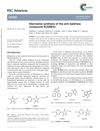
January 2014 in “RSC Advances”
4 citations
,
January 2014 in “RSC Advances” A new, less toxic and more efficient method to create the anti-baldness compound RU58841 was developed in 2014.
140 citations
,
February 2014 in “Neuron” Delta opioid receptors help regulate touch sensation by reducing neurotransmitter release in the spinal cord.
 June 2026 in “Journal of health economics and outcomes research”
 Ritlecitinib is more effective and cost-efficient than baricitinib for severe alopecia areata.
 82 citations
,
February 1989 in “The Journal of clinical endocrinology and metabolism/Journal of clinical endocrinology & metabolism”
82 citations
,
February 1989 in “The Journal of clinical endocrinology and metabolism/Journal of clinical endocrinology & metabolism” A three-month treatment with a GnRH agonist significantly lowered androgen levels and 5α-reductase activity in men with benign prostatic hyperplasia.
 January 2017 in “Brazilian Journal of Pharmaceutical Sciences”
 Arteannuin might work against cancer and Alzheimer's by targeting neprilysin.
September 2023 in “Journal of the American Academy of Dermatology” Oral difelikefalin significantly reduces itch in notalgia paresthetica.
December 2022 in “Scientific Reports” Compound 4 is a promising treatment for hair loss with low toxicity.
19 citations
,
March 2010 in “Steroids” Certain progesterone derivatives can inhibit enzymes and reduce androgenic activity, potentially affecting prostate growth.
 October 2024 in “Scientific Reports”
 OXTR agonists may promote hair growth and be effective for treating hair loss.
56 citations
,
March 2003 in “Journal of Investigative Dermatology” 17β-estradiol can reduce inflammation in the skin.
19 citations
,
September 2013 in “Psychoneuroendocrinology” Blocking CYP17A1 enzyme may help improve certain brain function issues related to dopamine.
 26 citations
,
September 2018 in “Neurobiology of Disease”
26 citations
,
September 2018 in “Neurobiology of Disease” Finasteride and dutasteride reduce unwanted movements from Parkinson's disease treatment by normalizing certain brain signals.
 3 citations
,
January 2003 in “Synthetic Communications”
3 citations
,
January 2003 in “Synthetic Communications” Scientists made two new chemicals that might help treat diseases caused by male hormones.
 May 2021 in “Letters in Applied NanoBioScience”
 Pranlukast and mirabegron may work as new diabetes drugs.
42 citations
,
December 1976 in “PubMed” Cyproterone acetate and ethinylestradiol effectively reduce hirsutism and acne in women.
69 citations
,
October 2013 in “Journal of Clinical Psychopharmacology” Naltrexone did not significantly reduce hair pulling but improved cognitive flexibility.
 24 citations
,
September 2005 in “Journal of Cellular Biochemistry”
24 citations
,
September 2005 in “Journal of Cellular Biochemistry” Retinoids increase steroid sulfatase activity in leukemia cells through RARα/RXR and involves certain pathways like phosphoinositide 3-kinase and ERK-MAP kinase.
 August 2018 in “bioRxiv (Cold Spring Harbor Laboratory)”
 Existing drugs, including a blood pressure medication, show promise as new treatments for influenza.
44 citations
,
June 2015 in “British Journal of Pharmacology” Betulinic acid can help treat hepatitis C by stopping virus replication.
 December 2016 in “Springer eBooks”
 Chrousos Syndrome is caused by mutations that make the body less sensitive to glucocorticoids, leading to various symptoms and requiring high-dose treatment.
 December 2023 in “Journal of Ayub Medical College Abbottabad”
 Ritlecitinib effectively treats alopecia areata in patients 12 and older with fewer side effects.
 6 citations
,
December 2013 in “Journal of Cutaneous Pathology”
6 citations
,
December 2013 in “Journal of Cutaneous Pathology” Certain immune cells are more common on the top of the head and might help predict or treat common hair loss.
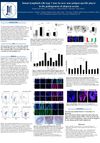
Innate lymphoid cells type 1 may contribute to alopecia areata by damaging hair follicles.
1 citations
,
October 2009 in “Current psychiatry” Choose treatments for sex offenders based on individual needs, using hormonal and nonhormonal options to reduce sexual drive.
3 citations
,
March 1981 in “Journal of Toxicology and Environmental Health” Rats developed lung issues from the drugs, but these cleared quickly after stopping them.
 March 2014 in “Journal of The American Academy of Dermatology”
 Cortexolone 17a-propionate may be an effective new treatment for hair loss.
 April 2016 in “Journal of The American Academy of Dermatology”
 Some blood pressure medications are linked to a higher risk of skin cancer.
3 citations
,
June 2023 in “Molecules/Molecules online/Molecules annual” Cepharanthine has many medicinal uses but needs improvement for better effectiveness.
34 citations
,
March 2007 in “Biochemical and Biophysical Research Communications” Thioredoxin reductase 1 does not affect glucocorticoid receptor activity in hair follicle cells.