 August 2009 in “Australian Prescriber”
 Eculizumab helps reduce blood transfusions and stabilize hemoglobin but increases infection risk and is expensive.
17 citations
,
October 2024 in “Journal of the American Academy of Dermatology” Brepocitinib effectively reduces inflammation and improves symptoms in cicatricial alopecia with good safety.
 52 citations
,
October 2010 in “Antiviral Therapy”
52 citations
,
October 2010 in “Antiviral Therapy” New treatments for Hepatitis C show promise but need more research to confirm their safety and effectiveness for clinical use.
4 citations
,
August 2023 in “Biomedicine & Pharmacotherapy” Ivacaftor can protect against noise-induced hearing loss by reducing oxidative stress.
 2 citations
,
July 2021 in “Biochemical and Biophysical Research Communications”
2 citations
,
July 2021 in “Biochemical and Biophysical Research Communications” CTHRC1 helps hair grow back, and plantar dermis mixture boosts it.
 32 citations
,
January 2012 in “Clinical & Developmental Immunology”
32 citations
,
January 2012 in “Clinical & Developmental Immunology” Targeting CD200 could be a new treatment for rheumatoid arthritis.
March 2019 in “Reactions Weekly” 45 citations
,
July 2025 in “Journal of Medicinal Chemistry” Vepdegestrant may become the first FDA-approved PROTAC degrader, marking a new era in drug development.
February 2024 in “Cancers” New treatments targeting androgen receptors show promise for drug-resistant prostate cancer.
January 2025 in “Journal of Carcinogenesis” Inflammation is a key factor in heart disease and targeting it can reduce heart problems.
7 citations
,
July 2023 in “Immunotherapy” Ritlecitinib works well and is safe for treating alopecia areata.
 January 2024 in “Journal of Crohn's and colitis”
 Janus Kinase inhibitors are effective and have an acceptable safety profile for treating moderate to severe Ulcerative Colitis.
 1 citations
,
March 2004 in “Journal of the American Academy of Dermatology”
1 citations
,
March 2004 in “Journal of the American Academy of Dermatology” ZD1839, a cancer drug, can cause mild skin rashes that are treatable without stopping the medication.
2 citations
,
September 2024 in “Expert Opinion on Drug Metabolism & Toxicology” Ritlecitinib is an effective new treatment for Alopecia Areata.
18 citations
,
March 2010 in “Gynecologic and obstetric investigation” The oral contraceptive alone is the preferred treatment for hirsutism, as adding the GnRH analog showed no significant benefit.
2 citations
,
October 2025 in “Antimicrobial Agents and Chemotherapy” Cepharanthine can block enterovirus entry and protect against infection.
 15 citations
,
November 2002 in “Cardiology in Review”
15 citations
,
November 2002 in “Cardiology in Review” Cardiovascular drugs can cause various skin problems, so recognizing these reactions is important.
Hit15 shows promise as a COVID-19 treatment by reducing virus infection and inflammation.
April 2026 in “Future Medicinal Chemistry” PROTACs have become a breakthrough in medicine by effectively targeting and degrading specific proteins to treat diseases.
 7 citations
,
April 2006 in “Experimental Neurology”
7 citations
,
April 2006 in “Experimental Neurology” Finasteride blocks deoxycorticosterone's anticonvulsant effects in infant rats, but indomethacin doesn't.
 12 citations
,
August 2017 in “Pharmaceutical medicine”
12 citations
,
August 2017 in “Pharmaceutical medicine” Most doctors know the thrombosis risk with Cyproterone/Ethinylestradiol, but some lack details on less common risks and patient instructions; educational materials are underused but useful.
 11 citations
,
October 2001 in “Dermatologic Clinics”
11 citations
,
October 2001 in “Dermatologic Clinics” The document concludes that DAB389-IL2 is promising for treating refractory cutaneous T-cell lymphoma, but more research is needed on its effectiveness and side effect management.
15 citations
,
January 2025 in “Journal of the European Academy of Dermatology and Venereology” Ritlecitinib is effective and safe for treating alopecia areata, promoting significant hair regrowth.
 June 2026 in “Journal of health economics and outcomes research”
 Ritlecitinib is more effective and cost-efficient than baricitinib for severe alopecia areata.
 October 2025 in “Dermatology and Therapy”
 Ritlecitinib is being tested for effectiveness and safety in treating severe alopecia areata.
Combining ATRA with TPO-RA effectively stabilizes platelet counts in ITP patients.
147 citations
,
October 2021 in “Cancer Communications” RC48 shows promise for treating certain advanced cancers, but more research is needed.
 August 2025 in “Frontiers in Pharmacology”
 [6]-Gingerdiol 3-monoacetate shows promise for treating T. whipplei infections.
 43 citations
,
August 2010 in “Expert Opinion on Investigational Drugs”
43 citations
,
August 2010 in “Expert Opinion on Investigational Drugs” Inhibitors of 11β-HSD1 show potential for treating type 2 diabetes but require more testing for safety and effectiveness.
 June 2026 in “Indian Journal of Postgraduate Dermatology”
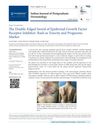
 Rash from EGFRI treatment can indicate both side effects and treatment effectiveness.